
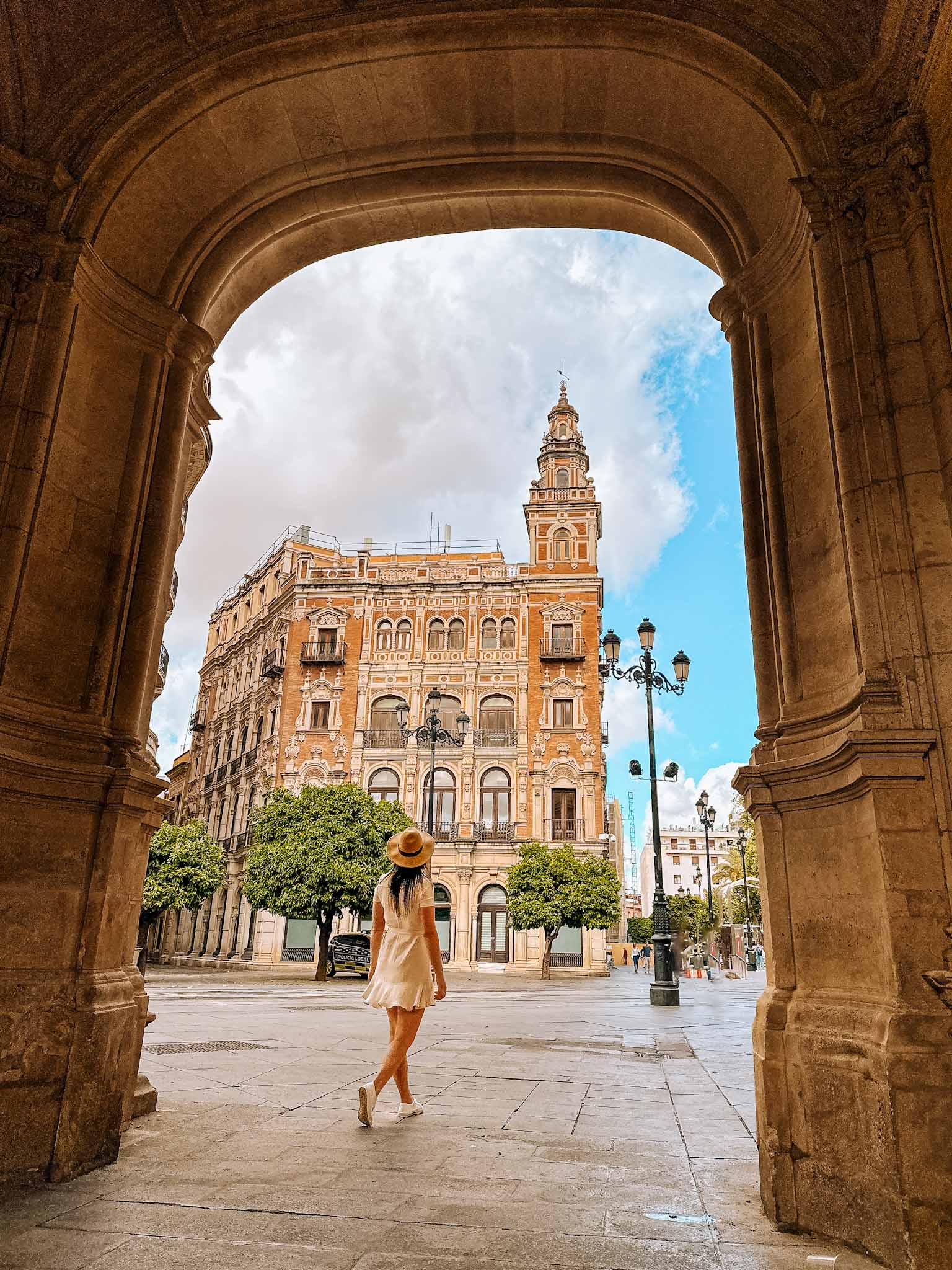
15 hidden gems in Seville, Spain (spots most tourists miss)
This post may contain affiliate links. If you use these links to make a purchase or booking, I may earn a small commission at no extra cost to you! Thank you for your support!
Looking for the best hidden gems in Seville, Spain? Then you have come to exactly the right place! I spent a full week wandering the old town.
And honestly, some of the most beautiful spots in this city are the ones you would totally miss if nobody told you where to look.
Yes, of course you should see the Real Alcázar and the Seville Cathedral (they are UNESCO World Heritage sites for a reason). But once you have done the famous sights, this is where the real fun starts.
The hidden gems of Seville include a secret semicircular square hidden behind three passageways, a Renaissance archive with Columbus’s original journal, and a nuns’ convent selling homemade jam through a wooden door.
Plus a Roman ruin under a giant wooden mushroom, and blooming patios you can only see through the gates. So many good spots.
In this post I’m sharing 15 unusual things to do in Seville that most tourists walk right past. Each one with photos, honest tips, and Google Maps locations so you can find them yourself.
If you also want the full trip inspiration, I have a matching guide to the best things to do in Seville.
Let’s dive in!
1. Archivo General de Indias
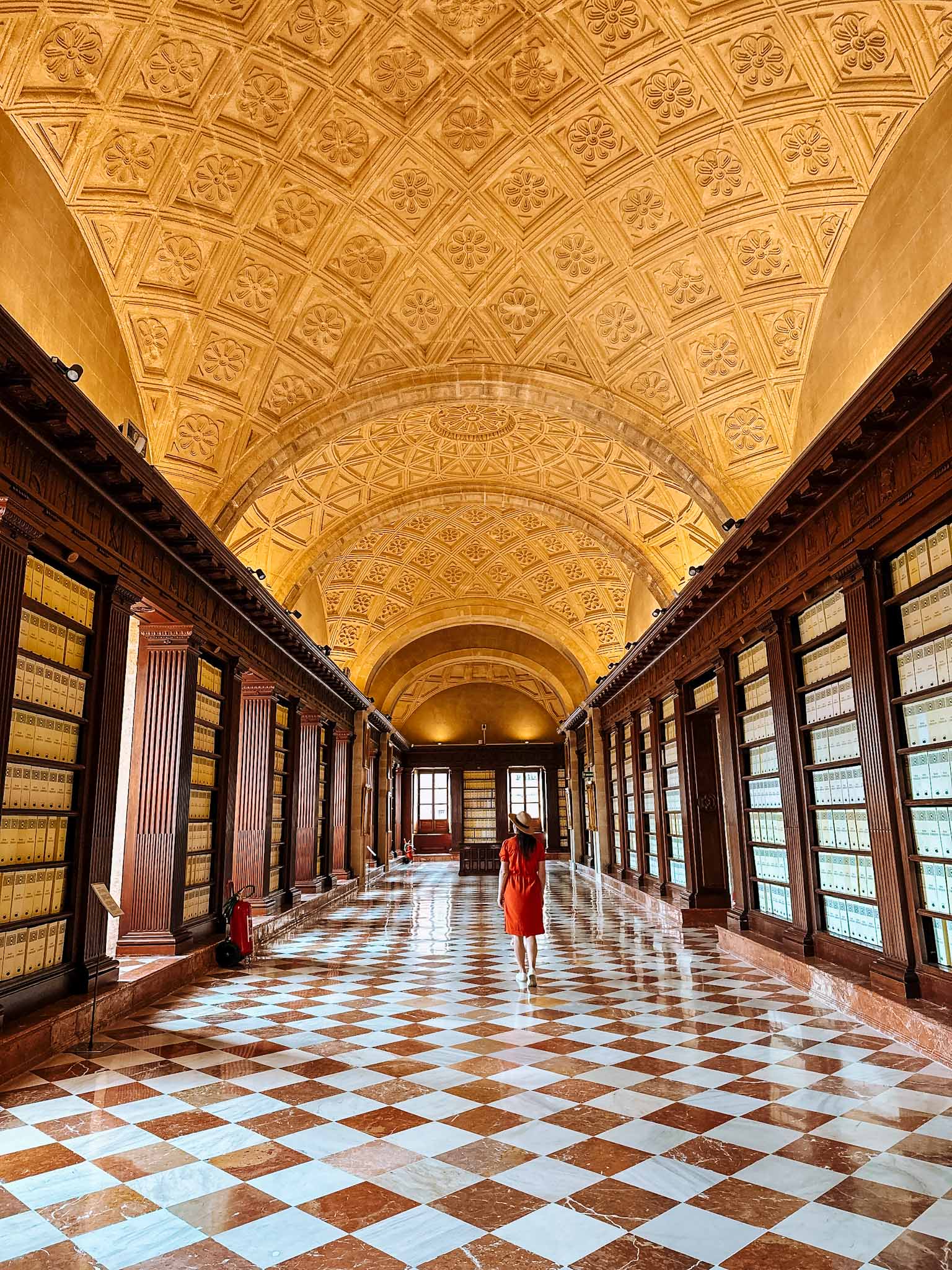
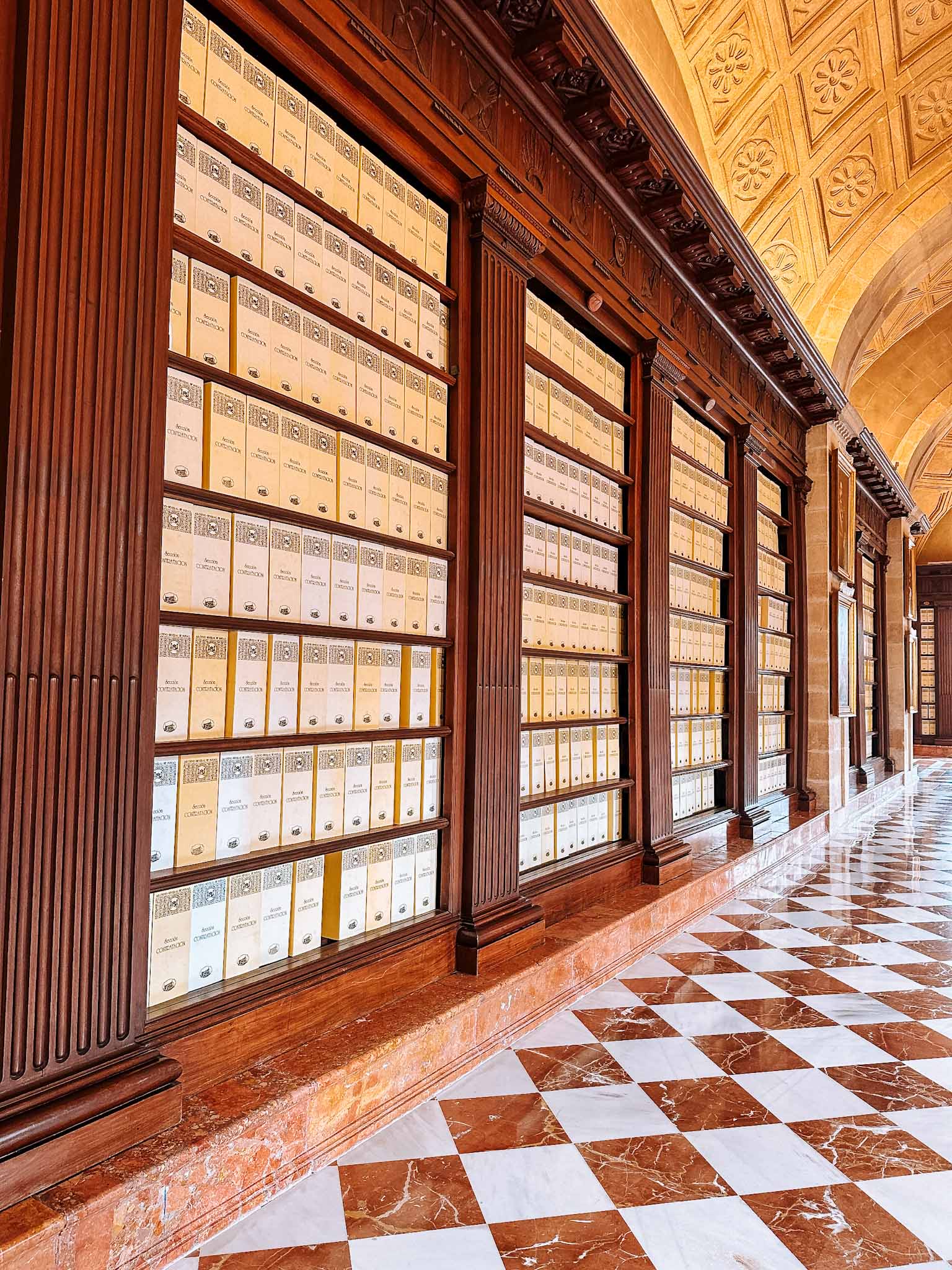
The Archivo General de Indias sits right across from Seville Cathedral, and thousands of tourists walk past it every day without going in.
Which is wild, because this is one of the most historically important buildings in all of Spain – and entry is completely free.
Here is why it matters. This is where Spain stored all the original documents from the colonization of the Americas – Christopher Columbus’s journal, letters from Hernán Cortés, Ferdinand Magellan, Francisco Pizarro.
Plus about 80 million pages more. Truly a piece of world history sitting in one building.
Fun fact – the building itself was actually built in the late 16th century as the Casa Lonja de Mercaderes (Merchants’ Exchange) for the Consulate of Merchants.
King Carlos III turned it into the national archive in 1785 to gather all the documents in one place. So much rich heritage packed in.
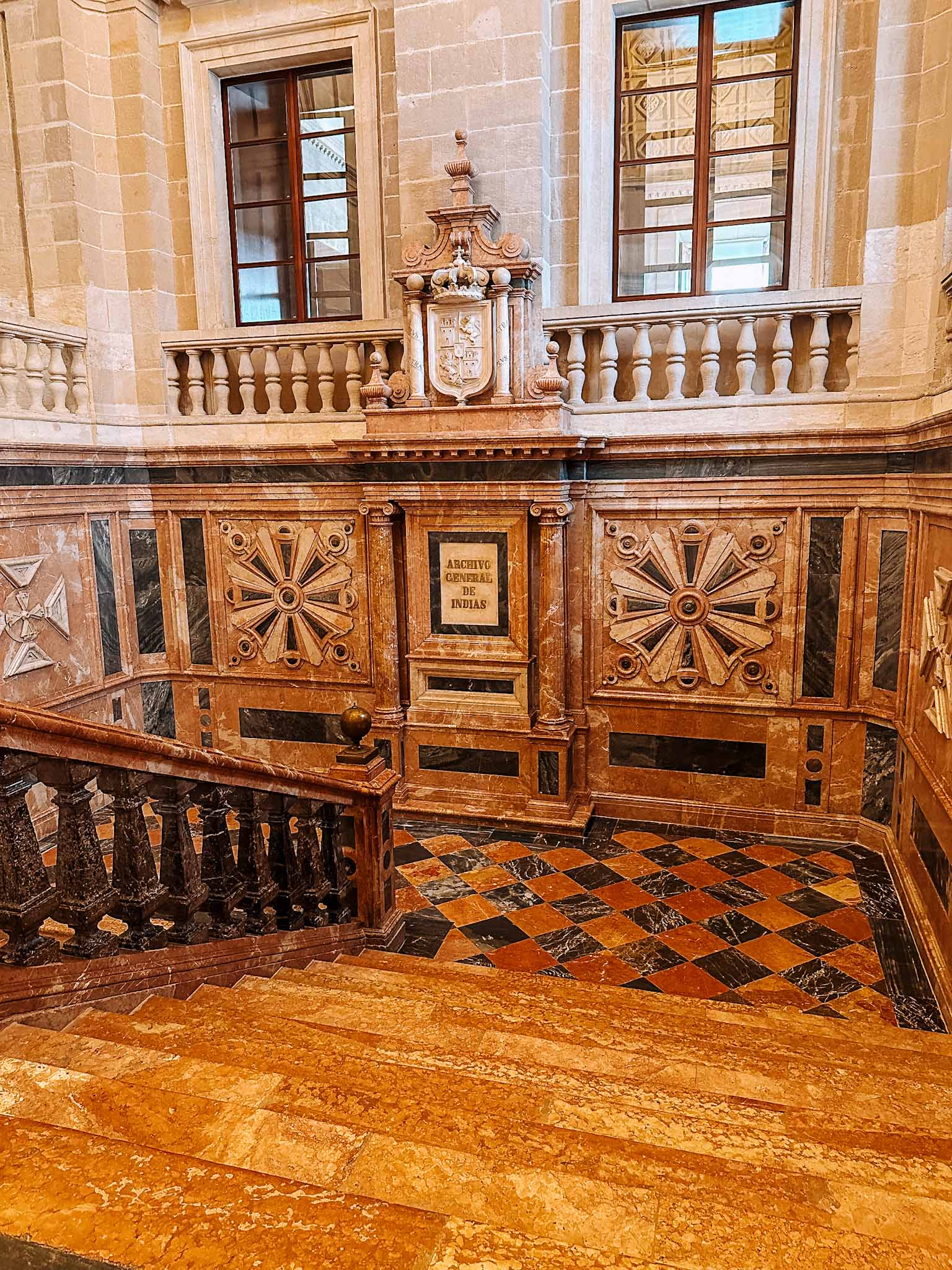
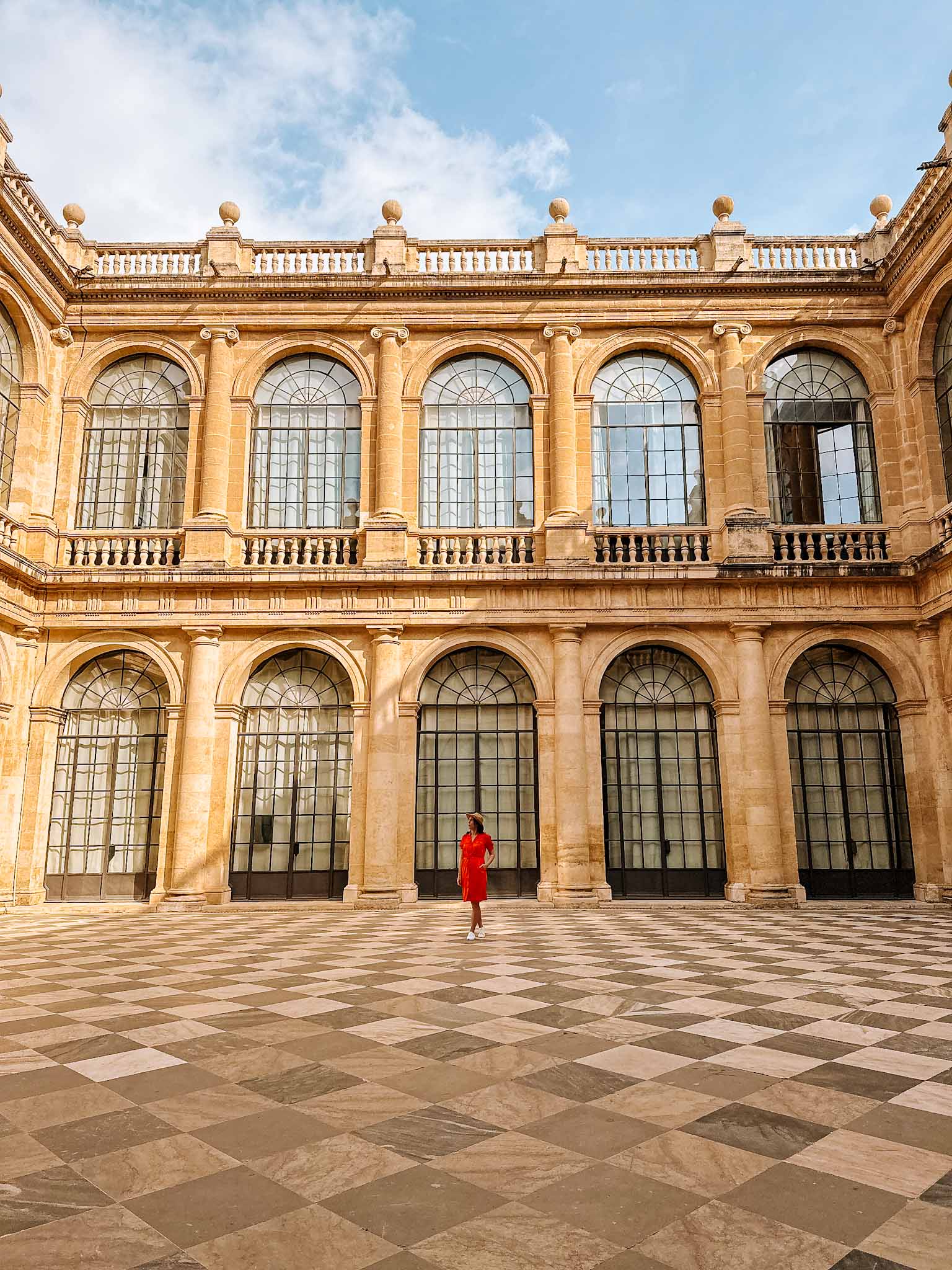
When we visited, I loved wandering the Renaissance halls and looking at the huge shelves lined with documents.
There are also permanent exhibitions with some truly amazing pieces on display – I saw an original letter from Columbus and some of the earliest maps of the Americas.
The building is a beautiful example of Renaissance architecture (Herrerian style, if you’re into that kind of thing) designed by Juan de Herrera. The interior symmetrical patio is such a peaceful courtyard away from the crowds outside.
Along with the Cathedral and the Real Alcázar, the Archivo de Indias is one of the three UNESCO World Heritage sites of Seville. It was recognized in 1987. Truly one of the most unique hidden gems in the city center.
Practical stuff – entry is free (no ticket needed). Opening hours are Tuesday to Saturday 9:30 AM to 5 PM, Sunday and public holidays 10 AM to 2 PM. Closed Mondays. Plan around 30-45 minutes to visit properly.
Location: Archivo General de Indias
2. Plaza del Cabildo
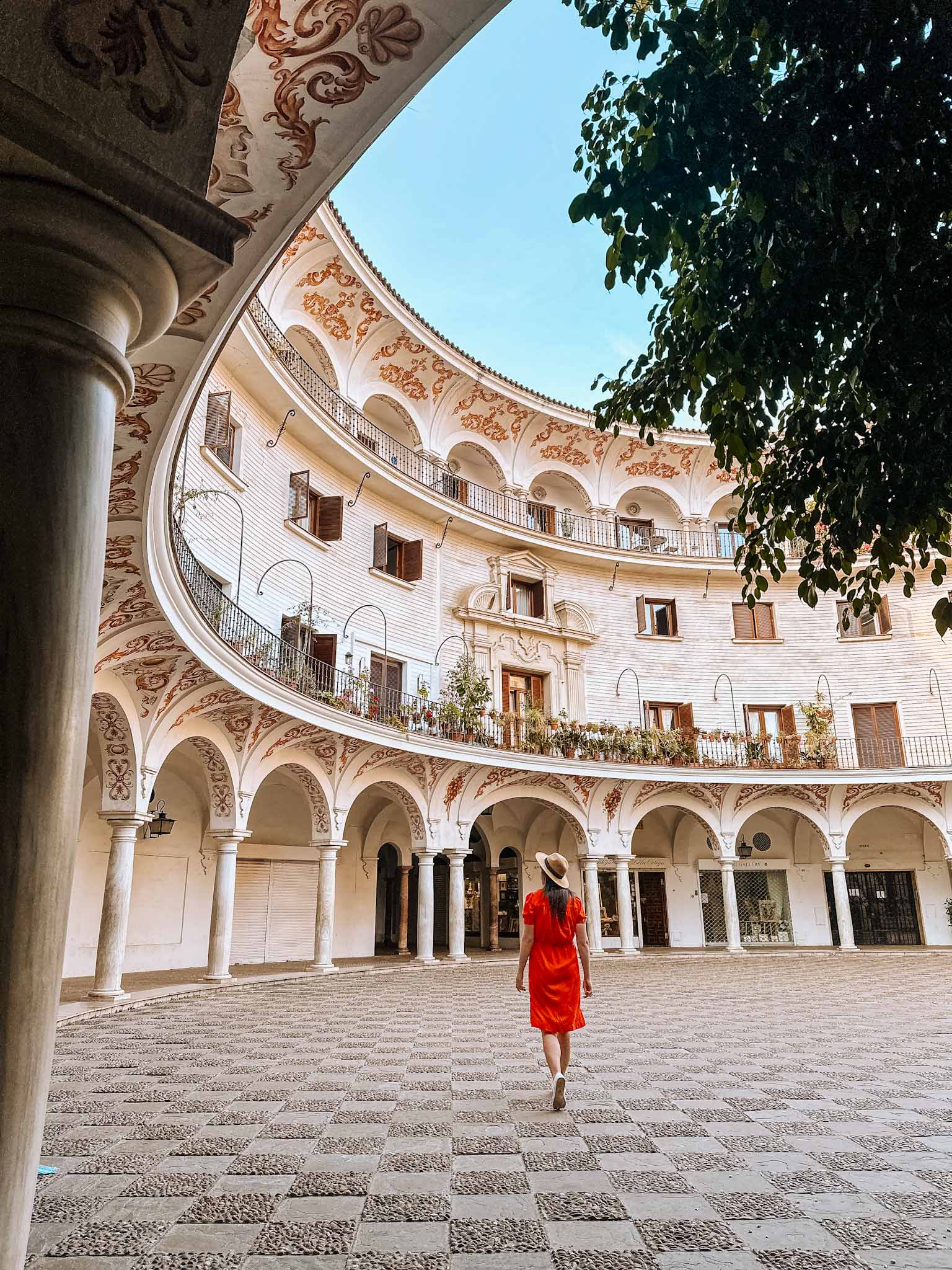
Plaza del Cabildo was easily one of my favorite hidden gems in Seville city. It is a beautiful semicircular square with painted arches and a fountain, and it is literally right next to the Cathedral, but almost nobody knows it exists.
The trick is that the plaza is hidden behind three narrow passageways off Avenida de la Constitución.
Walk past the fancy shops, look for a small archway on your right (there is one right across from the Archivo de Indias), and you slip into this totally different world.
The square itself is not actually that old – it was built in the 1950s. But the architecture is really pretty, with a curved arcade of marble columns and murals of floral and geometric motifs on the walls. Very Andalusian in style.
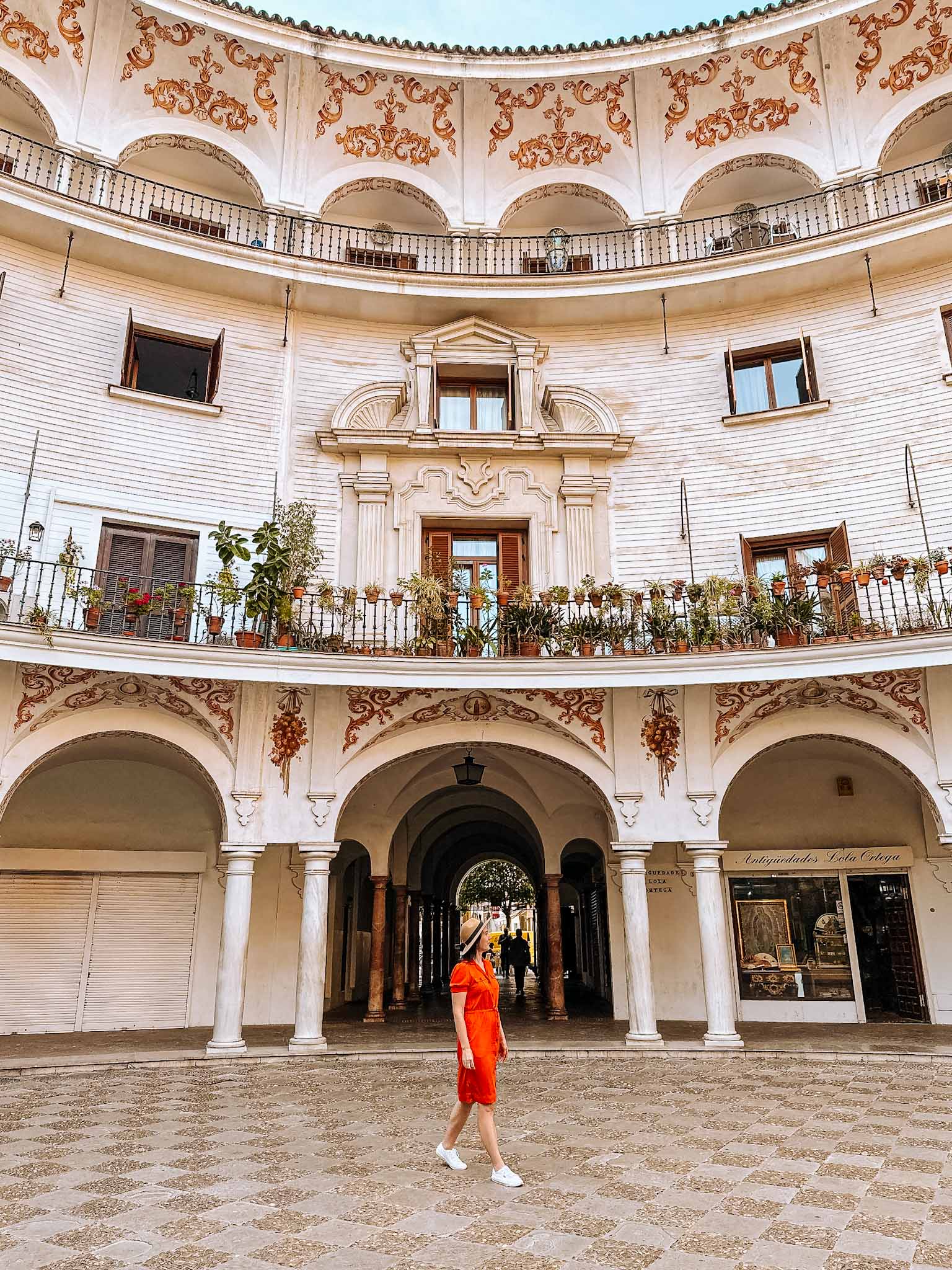
The unexpected surprise here is a fragment of the original 12th century Almohad wall (from the Moorish era), incorporated right into the square. So you have this quiet peaceful courtyard sitting on top of layers of Seville’s history. So cool.
Every Sunday morning between 9 AM and 2 PM, the plaza turns into the Collectors’ Market. Local vendors set up stalls selling old coins, stamps, banknotes, postcards, medals, minerals, and antiques.
It has been running here since 1997 and it is a really nice slice of local life.
Truly the best time to visit is either Sunday morning (for the market and atmosphere) or literally any weekday when you need a quiet break from the crowds. There are a few cafes with outdoor terraces along the arcade. Perfect place to stop for a coffee.
Location: Plaza del Cabildo
3. Rosina’s Balcony & Callejón del Agua
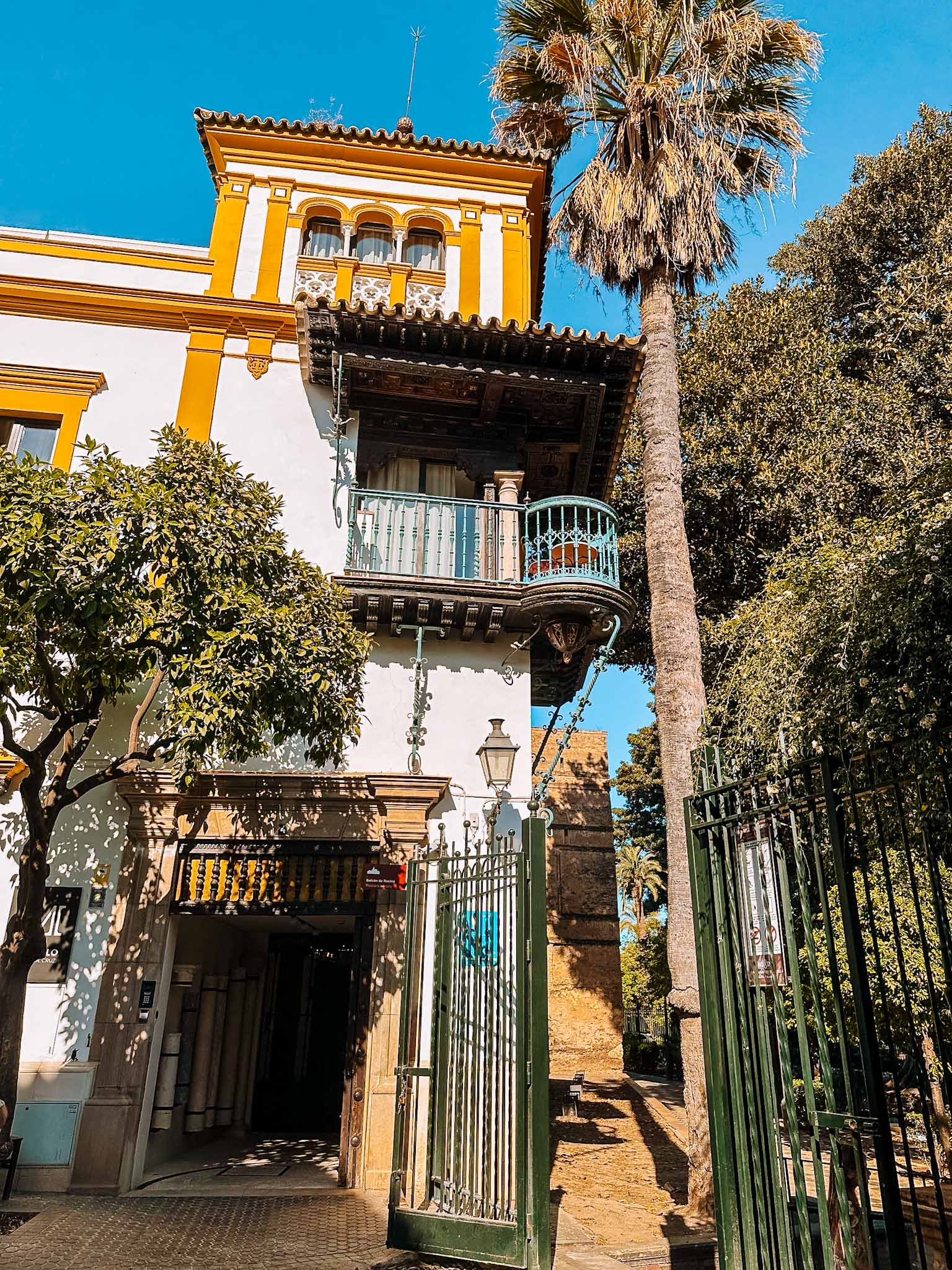
Right behind the walls of the Alcázar, in the old Jewish quarter of Barrio Santa Cruz, is a narrow whitewashed alley called Callejón del Agua. And it is easily one of the most beautiful streets in the entire old town.
The name literally translates as “Water Alley.” Turns out it comes from a channel that ran along the top of the wall carrying water from the Caños de Carmona aqueduct into the Alcázar palace. So the whole street is basically an ancient plumbing route.
At one end of the alley is the Plaza de Alfaro, and this is where you find Rosina’s Balcony. It is a beautiful corner balcony covered in blooming bougainvillea, and it is one of the most photographed spots in Santa Cruz.
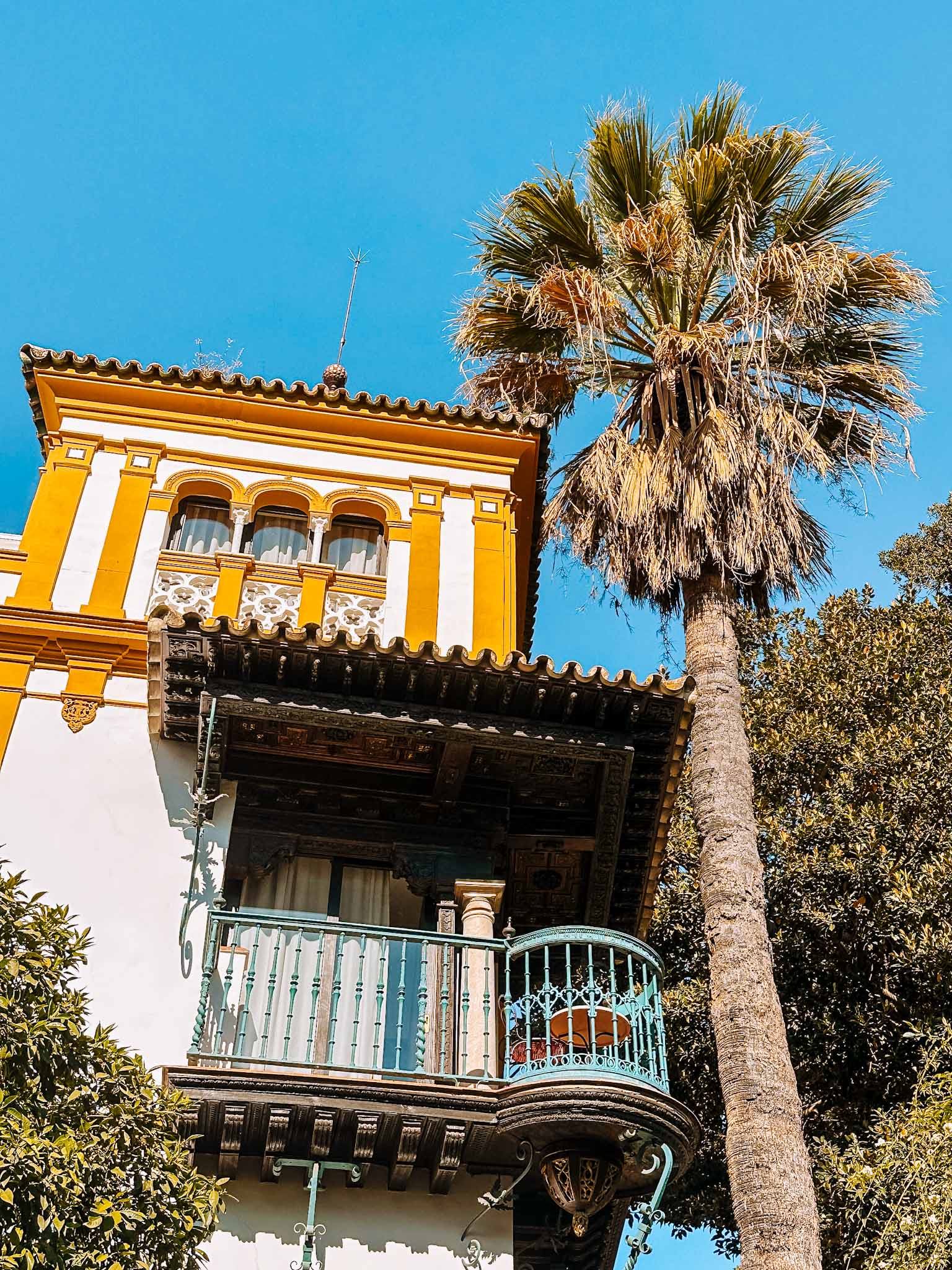
Fun bit of context – the balcony is said to be the one that inspired Beaumarchais’s opera The Barber of Seville. This is where Figaro tells the young Count Almaviva to climb up to reach his love, Rosina. So romantic!
Fun (slightly awkward) fact – the balcony was actually built AFTER the opera was written. So technically it was inspired BY the story, not the other way around. But nobody in Seville really cares about that detail – the legend is way better.
Some also say this same balcony inspired the balcony scene in Romeo and Juliet, but let’s be real – Shakespeare never made it to Seville. Still, it does look like the perfect set for the play.
While you are on Callejón del Agua, look for the plaque at number 2. American writer Washington Irving lived here while he wrote Tales of the Alhambra. There is a bronze memorial with his portrait from 1925.
The alley itself is only 140 meters (460 feet) long, so it is a really quick walk. But truly take your time and peek through the wrought-iron gates – many houses have gorgeous hidden patios visible from the street.
Location: Rosina’s Balcony – Callejón del Agua
4. Patio de Banderas
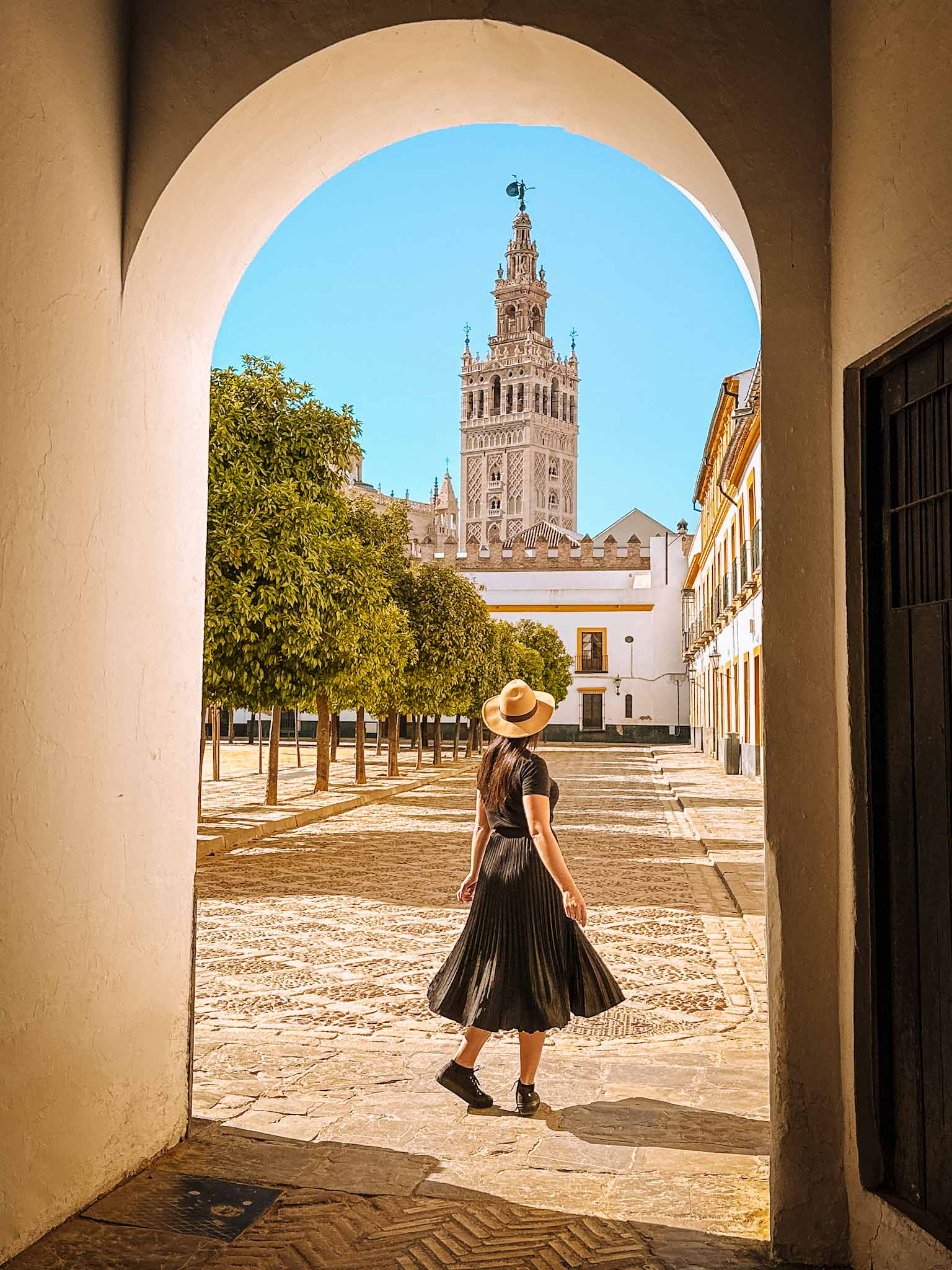
The Patio de Banderas is a small orange-tree-lined square right behind the Alcázar, and it is completely free to visit. But almost nobody comes here on purpose – most people just walk through it because it is the exit of the Alcázar tour.
The best part of Patio de Banderas is the view. Walk across the square toward the exit archway, and suddenly the Giralda (the cathedral bell tower) frames itself perfectly in the arch.
You get a double row of orange trees leading your eye up to it. Truly one of the most photographed postcards of Seville.
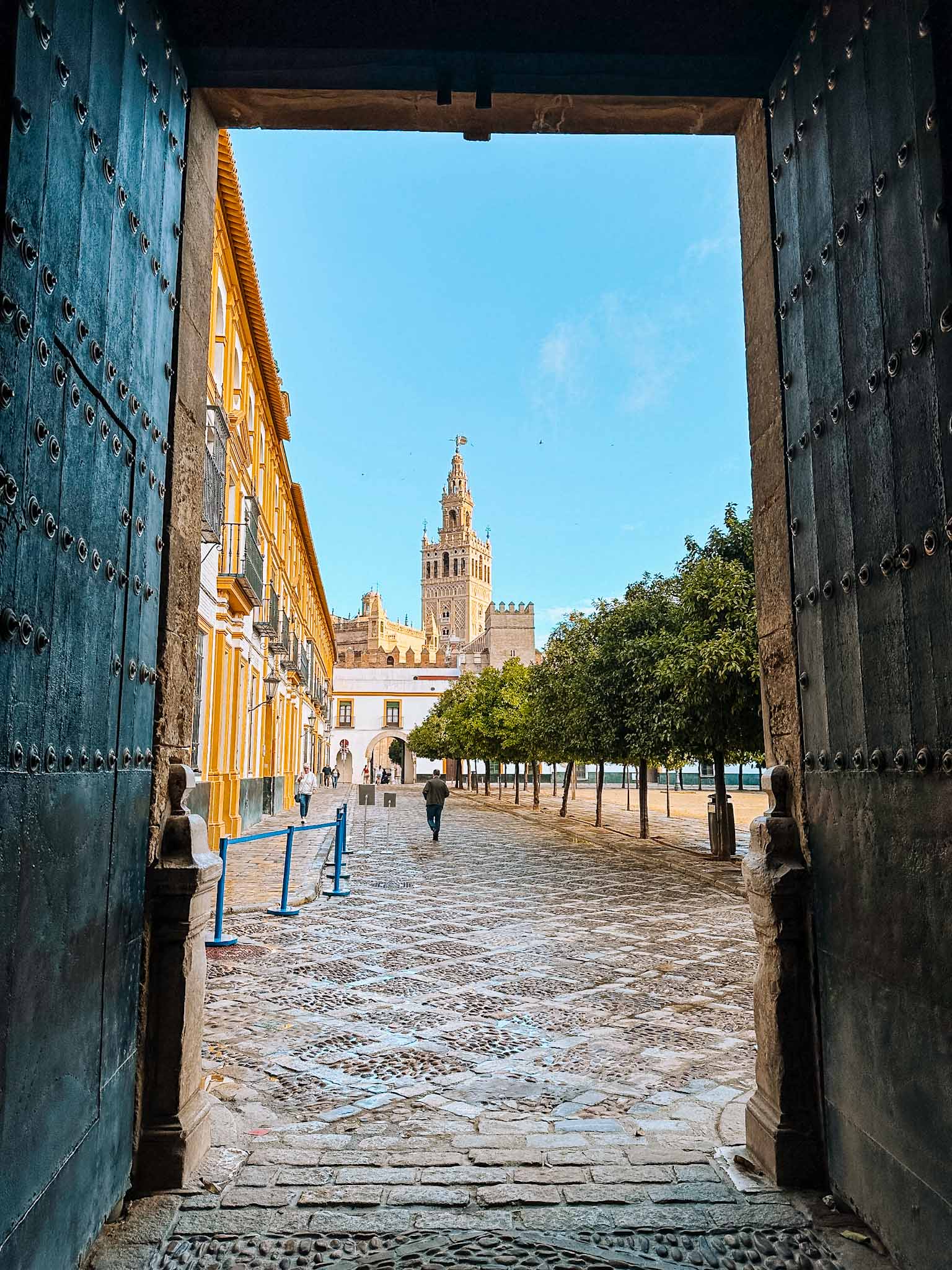
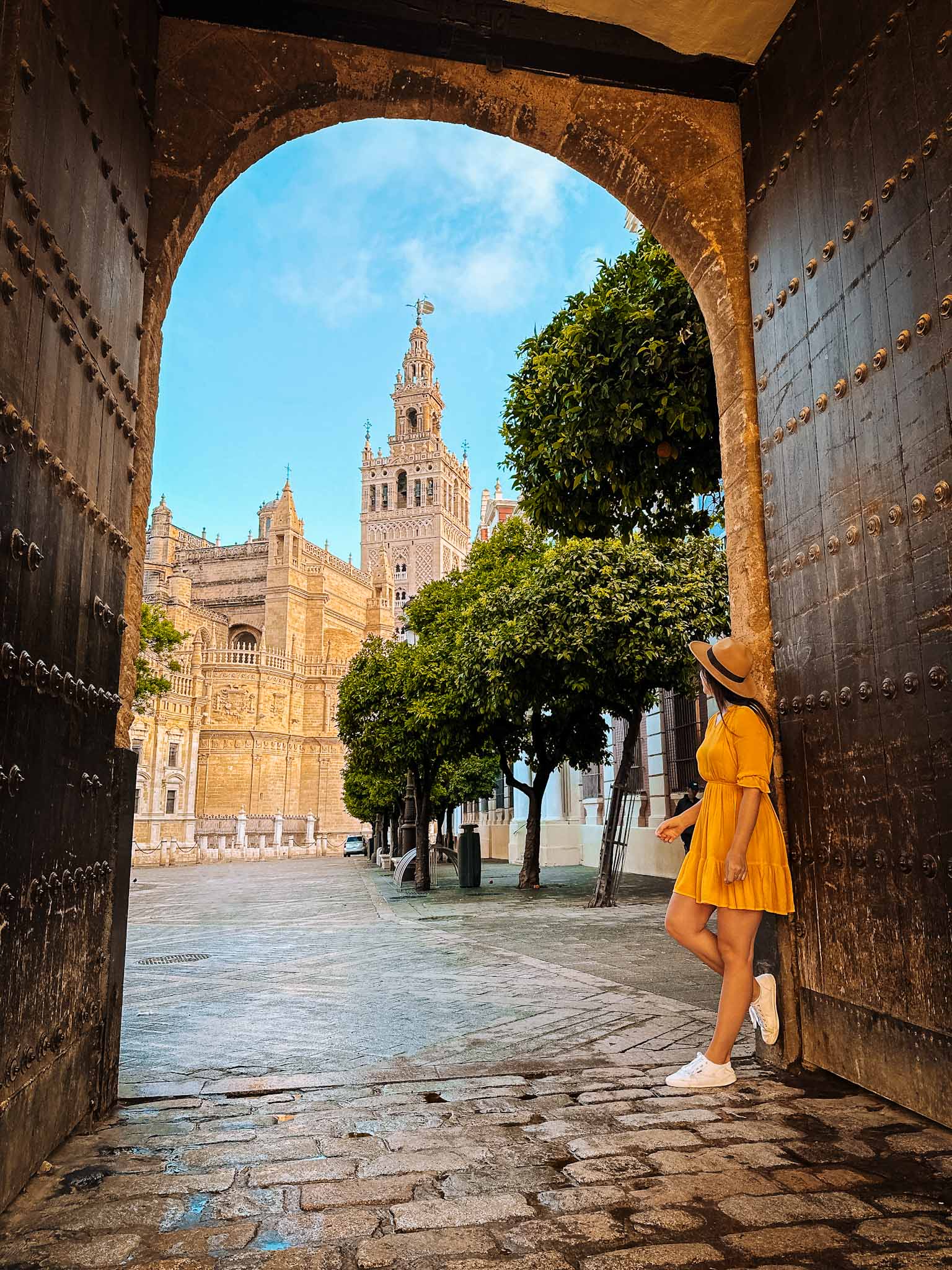
The name means “Courtyard of Flags,” which apparently comes from the tradition of hanging flags here to welcome visiting royalty. So much history in a small space!
Speaking of history, the square is actually built on the oldest human settlement in Seville. Archaeological digs from 2008-2009 found remains dating back to the 9th century BC.
Every layer of civilization since – Romans, Visigoths, Moors, Christians – has walked across these stones. So much history in one small square.
The current look dates from the 1929 Ibero-American Exposition when the central fountain was redesigned and the orange trees replanted. Before that, it was actually used as a horseback riding arena for local gentry. Fun little detail.
Best time to visit – early morning is best. The orange trees are still quiet before the Alcázar crowds start pouring through, and the light hits the Giralda just right through the archway.
The Patio de Banderas is also a great starting point for wandering into the old Jewish quarter of Santa Cruz. Just walk through the passageway on the far side and you drop right into the narrow streets we talked about above.
Location: Patio de Banderas
5. Convento de Santa Paula
The Convento de Santa Paula is one of those hidden gems most tourists have literally no idea exists. It is an active cloistered convent in the Macarena neighborhood, and the nuns living inside sell homemade jam, sweets, and jelly right at the door.
Here is the tradition. In Seville, buying sweets from cloistered nuns is a beloved local ritual that goes back hundreds of years. Many convents in the city keep themselves running by making artisanal food using recipes passed down for generations.
Convento de Santa Paula is one of the most accessible ones. Founded in 1473 by Doña Ana de Santillan, it belongs to the Jerónimas order (followers of Saint Jerome), and it is still active today with nuns living behind the walls.
The main facade dates from 1503 and is a stunning mix of Gothic, Mudéjar, and Renaissance styles – a rare example of what is called Catholic Monarch style. Inside there is also a Baroque altarpiece from 1730 and a chapel ceiling from 1623.
The way it works – you ring the intercom, they buzz you in, and you find yourself in a small courtyard shop lined with jars of jam and jelly.
The nuns make 19 different varieties, including Seville orange, orange blossom, grapefruit, quince, kiwi, and even rose jelly.
There is also a small sacred art museum inside where you can see paintings and religious pieces the convent has collected over the centuries. It is not a huge visit – about 30-45 minutes total.
A word of warning – the convent is closed in August (nuns’ summer break) and opening hours are limited the rest of the year (roughly 10 AM to 1 PM). Call ahead if you can. Prices for the jam are around 5 EUR per jar, and yes, they do accept cards these days.
I have not personally been yet, but from what I have read and heard from locals, the orange blossom jelly is the one to try. Truly a unique experience you cannot have anywhere else in Spain.
Location: Convento de Santa Paula
6. La Terraza del EME
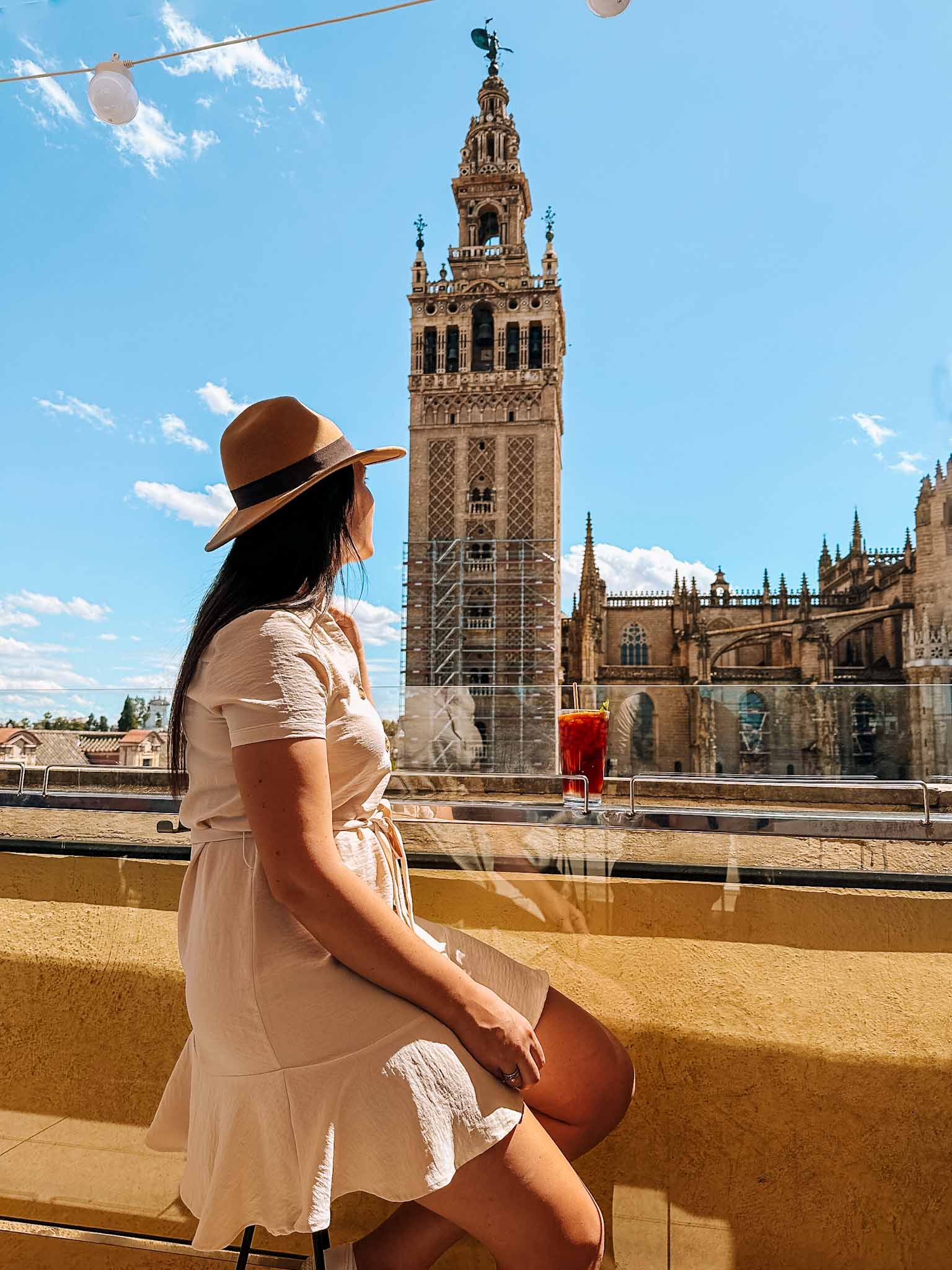
La Terraza del EME is a rooftop bar sitting right next to the Cathedral. And I do mean literally right next to it. The Giralda bell tower is about 30 meters (100 feet) away, so when you sit down with a drink, you feel like you can almost reach out and touch it.
The terrace is on top of the EME Catedral Mercer Hotel on Calle Alemanes 27. It has been on every “best rooftops in Seville” list for years, but I still count it as a hidden gem because most first-time visitors have no idea it exists.
Why go up here? The panoramic view. You get a 360-degree look at the Cathedral, the Giralda, the Church of El Salvador, and the whole old town skyline. Truly one of the best views in the city.
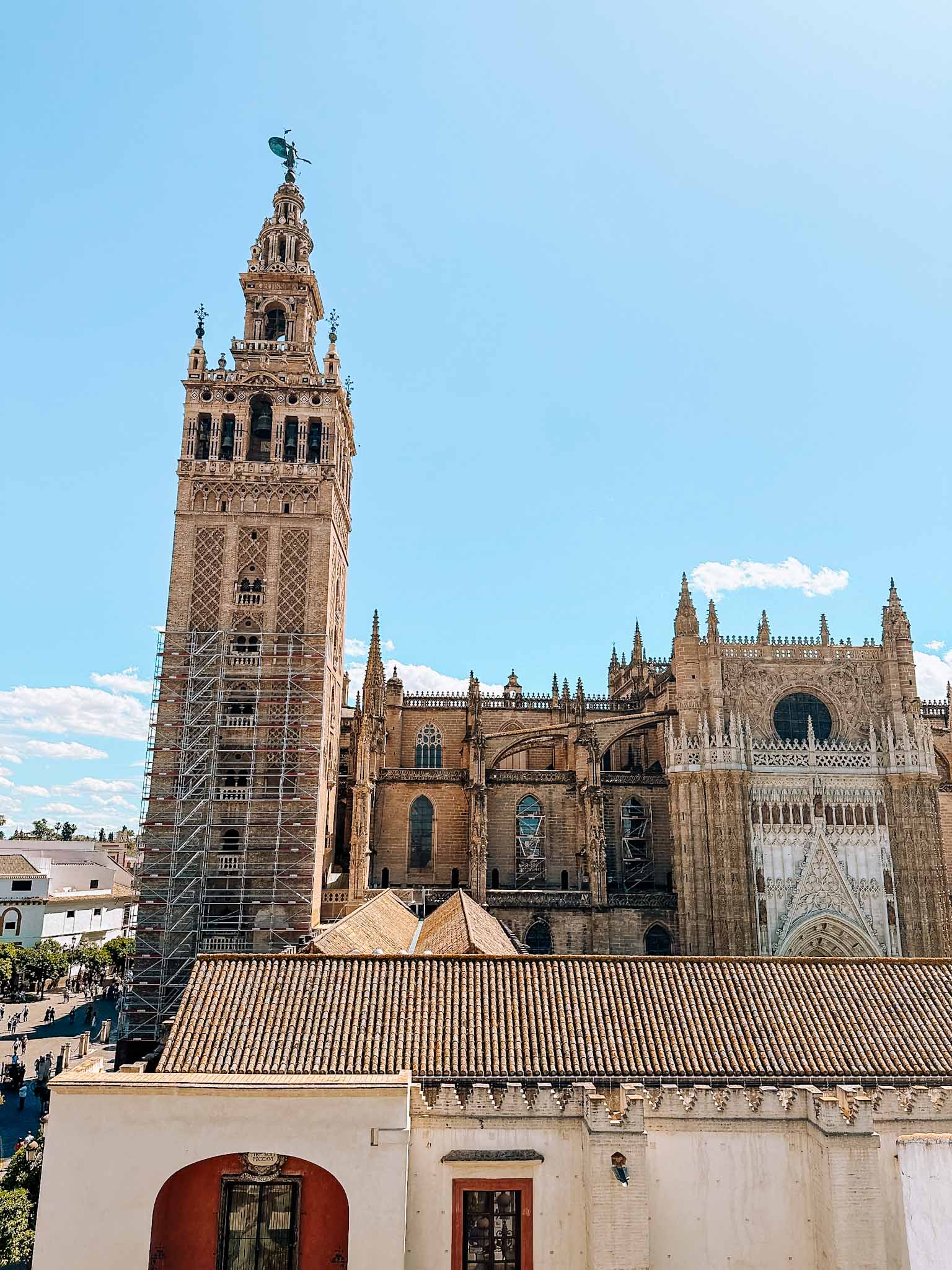
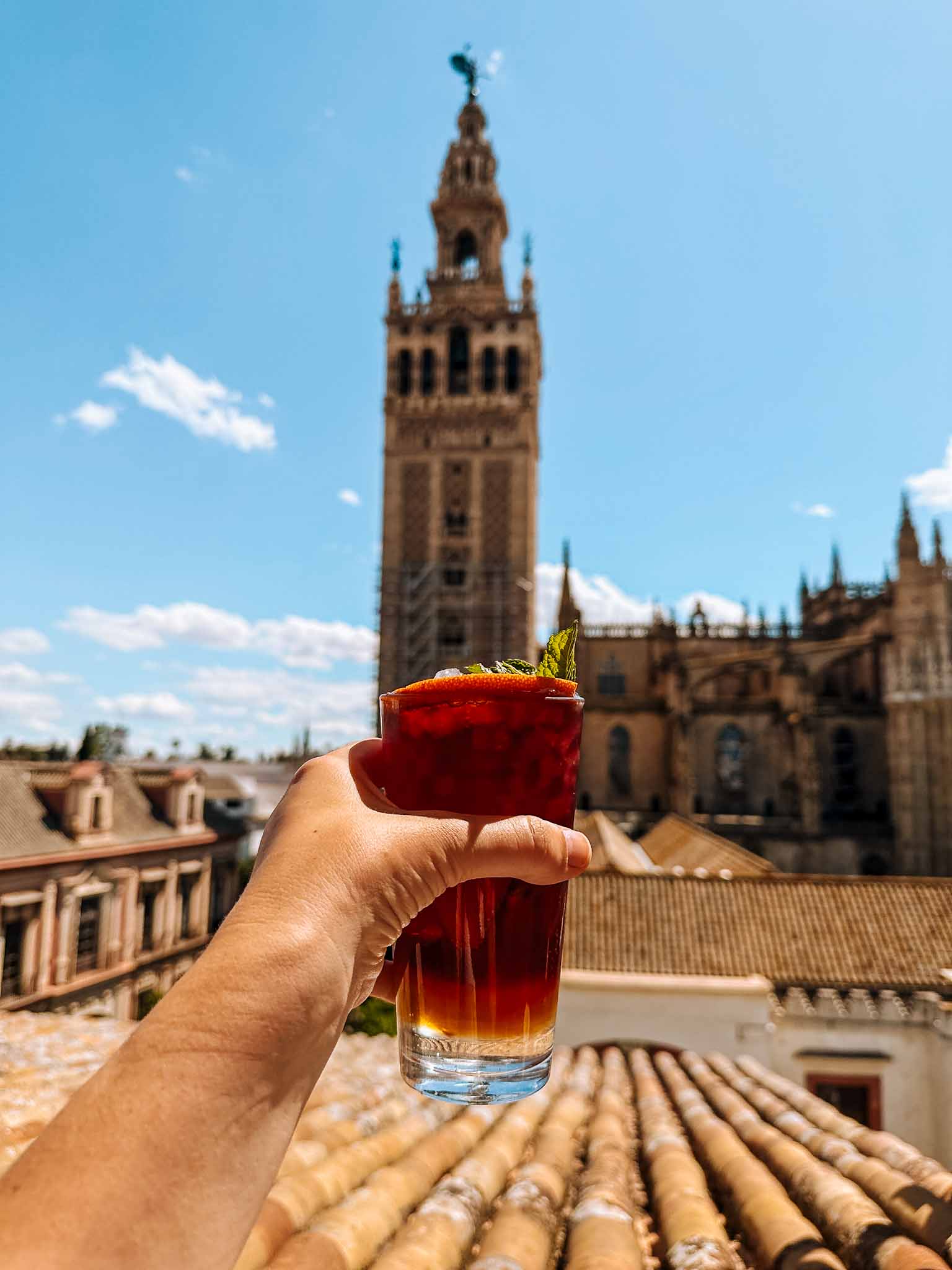
The cocktails are made by the team of famous mixologist Javier de las Muelas (of Dry Martini fame). So yes, they are pricey, but truly worth it for the setting.
When we went, we ordered a mojito and a tinto de verano, and just sat there watching the sunset. Best time to go is around 7 PM in summer (5-6 PM in winter) so you catch golden hour on the Cathedral.
Real talk though – the terrace gets crowded fast, and there is a limited capacity. In high season, arrive at opening time (1:30 PM) if you want a table, or come back after 11 PM when the dinner crowd has left.
One tip – you don’t have to be a hotel guest to go up. Just walk into the hotel lobby, tell the staff you want to go to La Terraza, and they will send you up.
Location: La Terraza del EME
7. Palacio de la Condesa de Lebrija
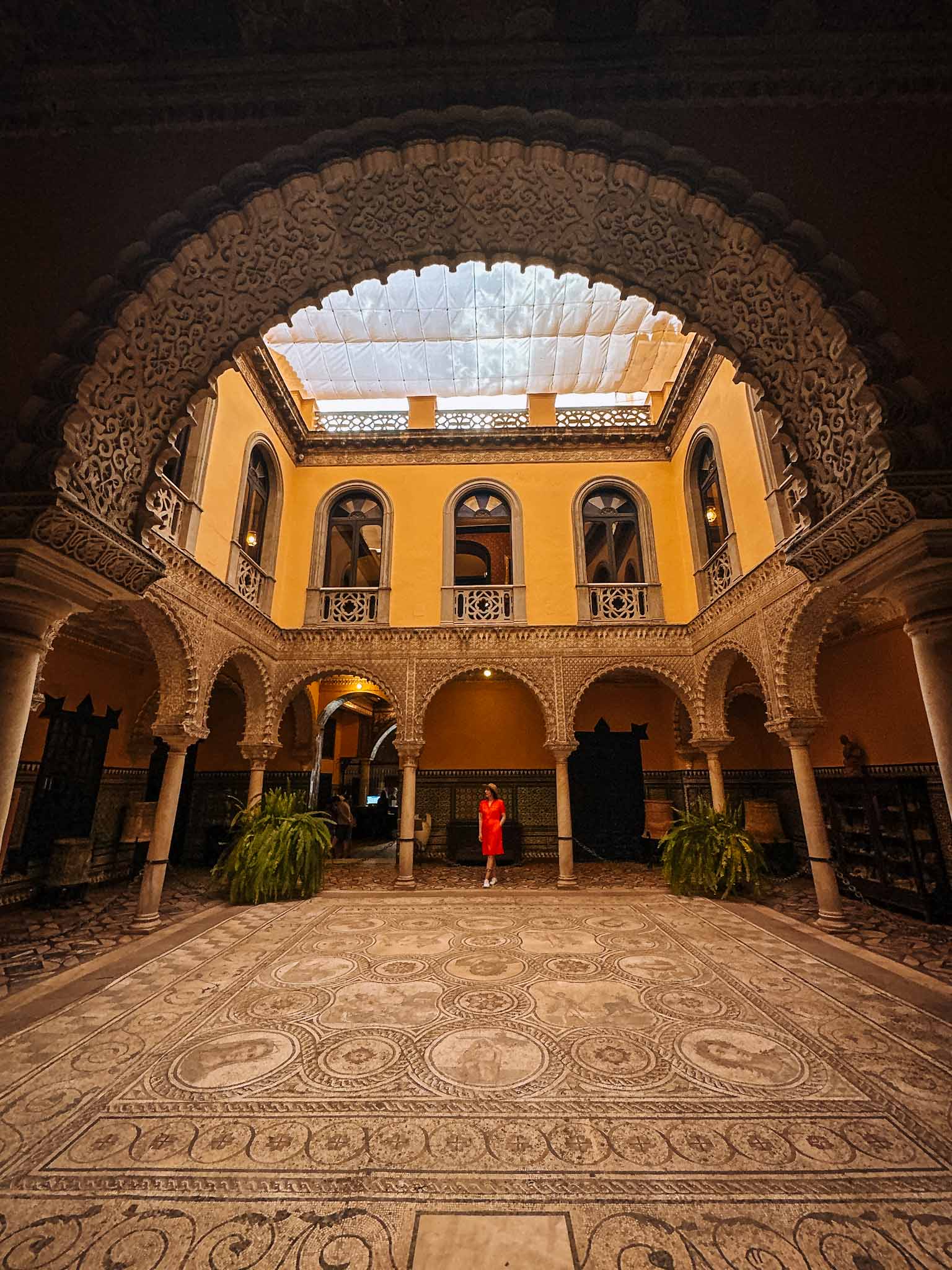
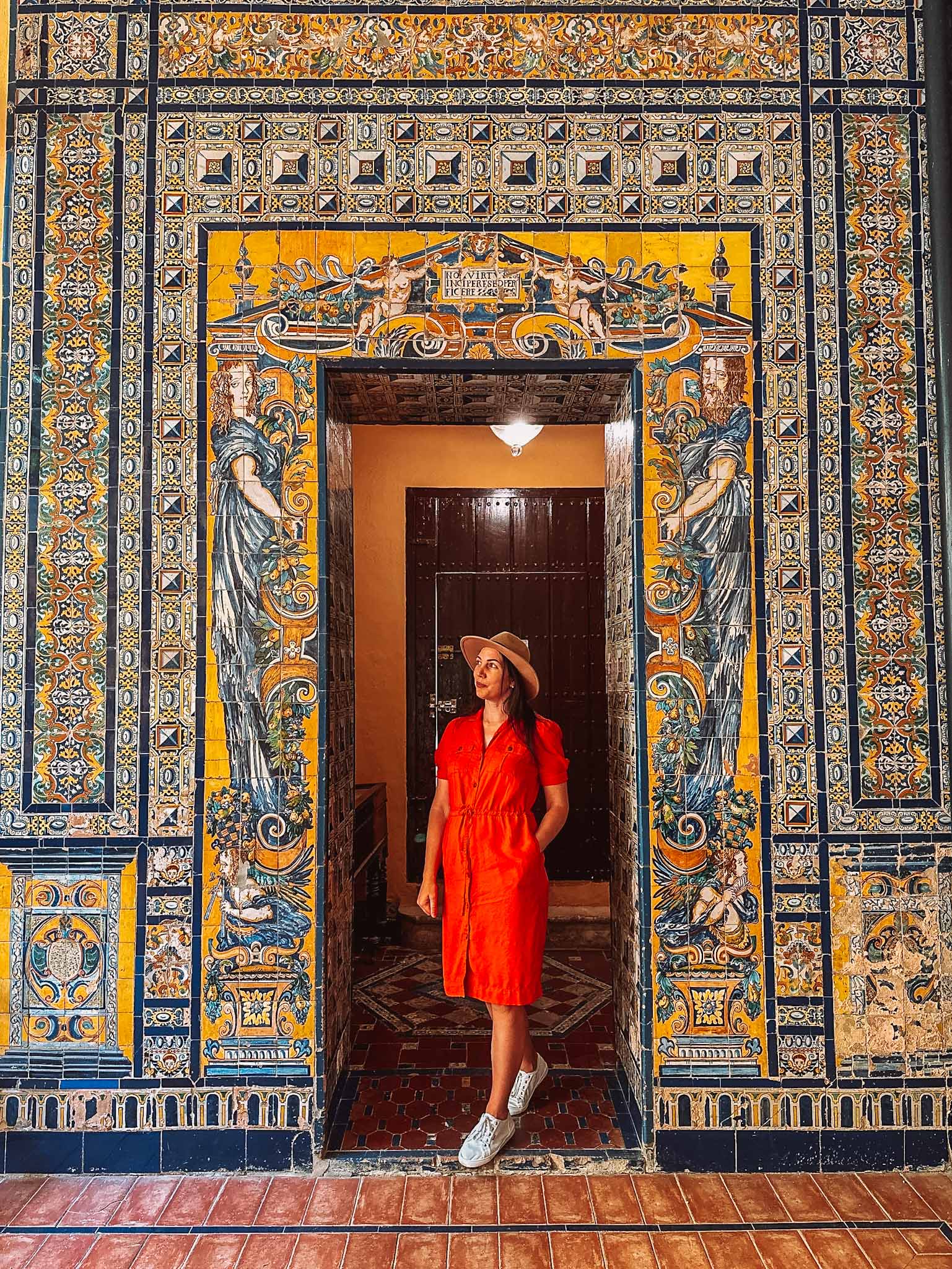
The Palacio de la Condesa de Lebrija is easily one of my favorite hidden gems in Seville. It is a 16th-century Andalusian house-palace on Calle Cuna, right in the city center, and most tourists walk right past the discreet front door without noticing it.
Here is what makes it special. The Countess of Lebrija (Regla Manjón Mergelina) bought the house in 1901 and spent the next 13 years remodeling it into a private museum for her incredible art collection. And she was truly obsessed with Roman archaeology.
So obsessed, in fact, that she took some of the most beautiful Roman mosaics from the nearby ruins of Italica (an archaeological site 10 km outside Seville) and used them as the actual flooring of her house. So wild.
You literally walk on 580 square meters (6,243 square feet) of original 2nd-century Roman mosaics as you tour the palace.
The central patio floor is a stunning mosaic of the god Pan surrounded by love stories of Zeus. It is one of the best-preserved private Roman mosaic collections in the world.
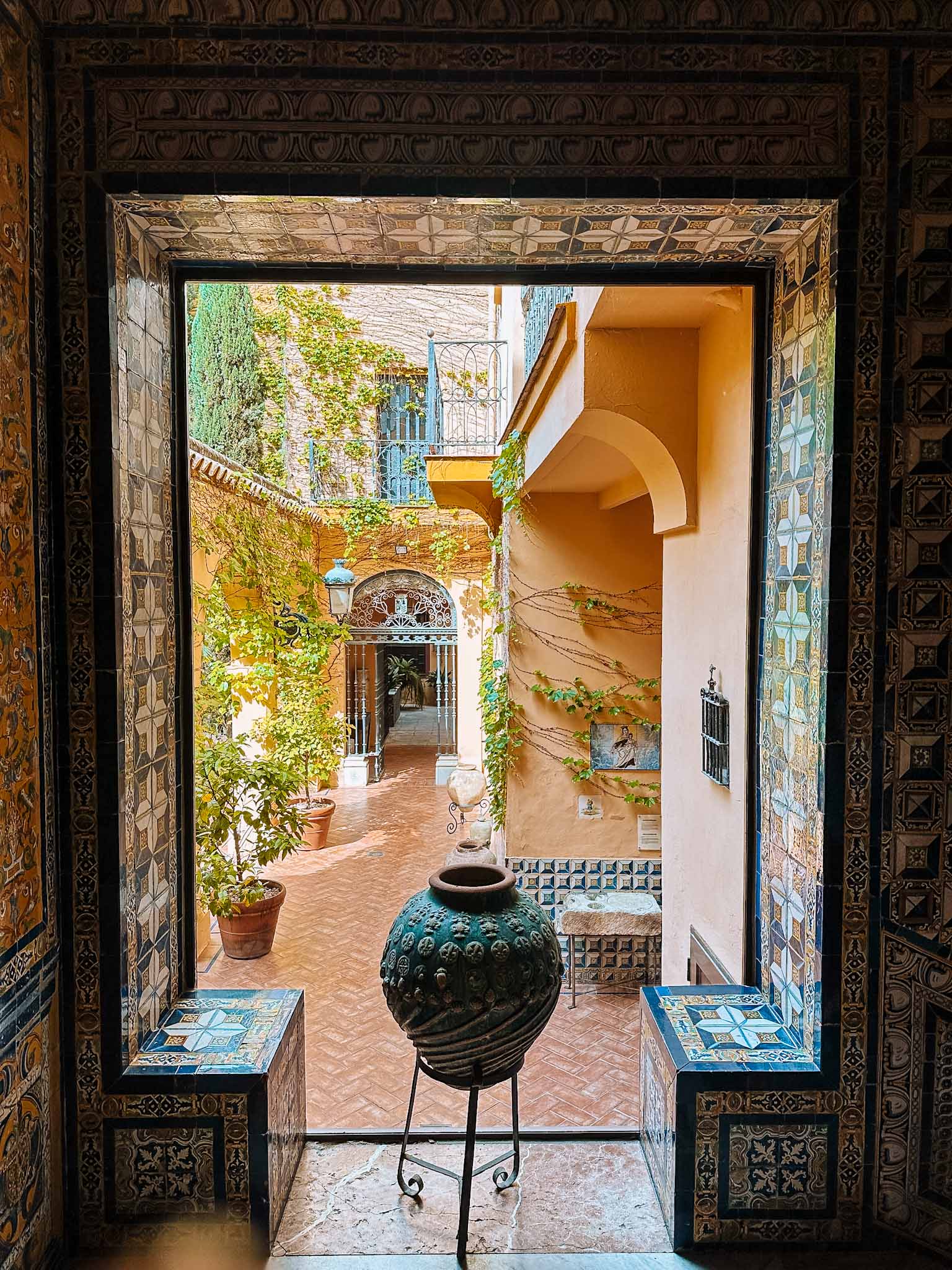
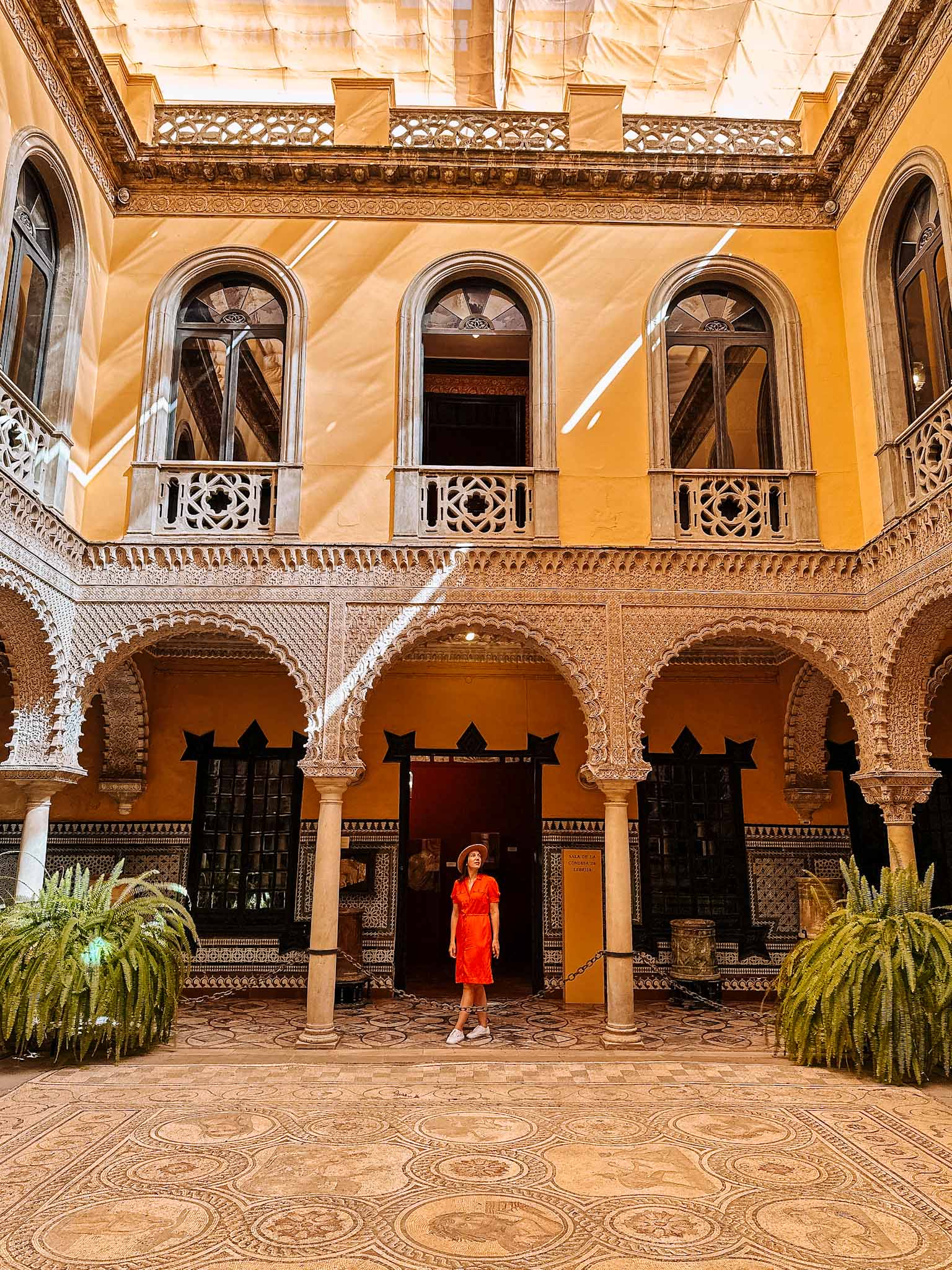
Beyond the mosaics, the palace has an incredible mix of architectural styles – Mudéjar arches in the patio, Plateresque plasterwork, Andalusian azulejo tilework, and a 16th-century coffered wooden ceiling.
There is also a great collection of Greek, Roman, Etruscan, and Persian ceramics, Louis XIV furniture, and paintings from European masters. Truly a lot to take in.
The visit works in two parts. The ground floor you can wander through on your own with an audio guide. The upper floor (where the family actually lived) is a guided tour with a specific time slot, so book your time in advance.
The palace opened as a museum in 1999 and is still owned by the Lebrija family. Tickets are just a few euros. Truly one of the best-value visits in the whole city.
Location: Palacio de la Condesa de Lebrija
8. The Antiquarium under Setas de Sevilla
The Setas de Sevilla (or Metropol Parasol) is the giant wooden mushroom-shaped structure in the middle of the old town.
Pretty much every tourist goes up to the top for the panoramic views. What almost none of them know is that there is a whole Roman archaeological site right below their feet.
When we wandered around Setas ourselves, we had no idea. We took our photos, went up to the terrace, and left. Then later I found out about the Antiquarium – and truly wish we had gone in.
Here is the story. When they started building the Setas back in 2003, construction workers dug into what turned out to be a massive Roman and Moorish archaeological site. Instead of ripping it out, the city redesigned the whole project around the ruins.
The Antiquarium sits 5 meters (16 feet) below street level, right underneath the wooden canopy of the Setas. It covers around 5,000 square meters (54,000 square feet) of excavated Roman streets, houses, and mosaics.
The site spans from the 1st century BC through the 5th century AD (Roman Hispalis) and includes remains from the 12th-13th century Almohad Islamic period too. So you basically get 2,000 years of Seville history in one underground museum.
Highlights include a well-preserved 1st-century fish-salting factory (Seville had a huge fish-salting industry back then), several beautiful Roman floor mosaics, and the foundations of a 12th-century Islamic house.
Tickets are just 2 EUR. And here is a great tip – if you have a Real Alcázar ticket from earlier in your trip, entry to the Antiquarium is completely free. Just bring your Alcázar ticket to show at the door.
Plan around 30 minutes for the visit. The entrance is at the basement level of the Setas, just beyond the main ticket office. Truly one of the most underrated hidden gems in the entire city.
Location: Antiquarium de Sevilla
9. Museo de Bellas Artes de Sevilla
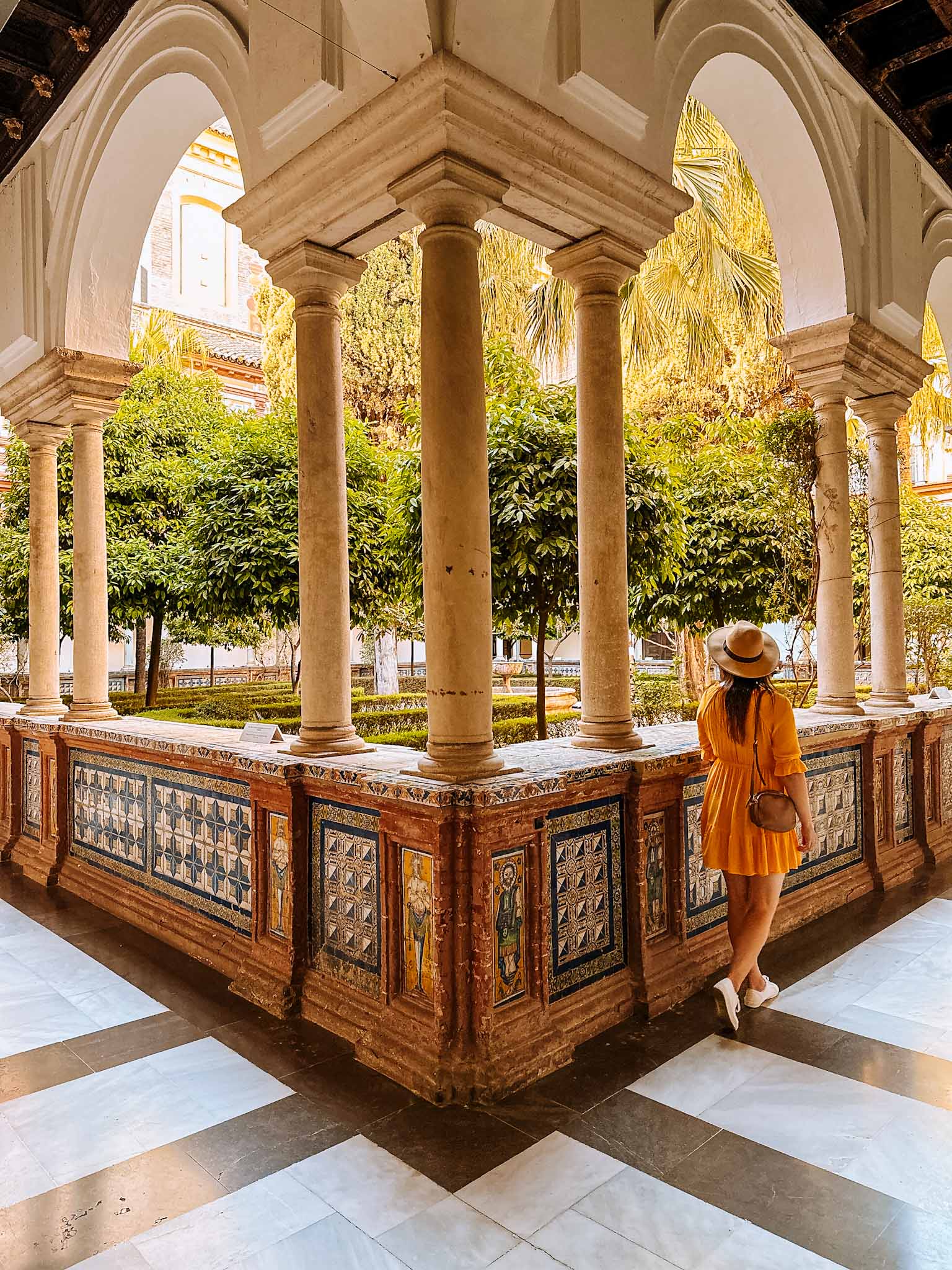
The Museo de Bellas Artes de Sevilla is one of the top art museums in all of Spain (second only to the Prado in Madrid). But somehow, hardly any tourists actually go inside. Truly a shame.
The museum is housed in what used to be the Convento de la Merced Calzada, a stunning 17th-century convent building. And that alone is worth the visit – the three peaceful courtyards inside are covered in azulejo tiles and lined with orange trees. So beautiful.
The main convent church at the entrance was transformed into an art gallery when the convent was closed in 1835, and the museum opened here in 1841. It has been growing its collection ever since.
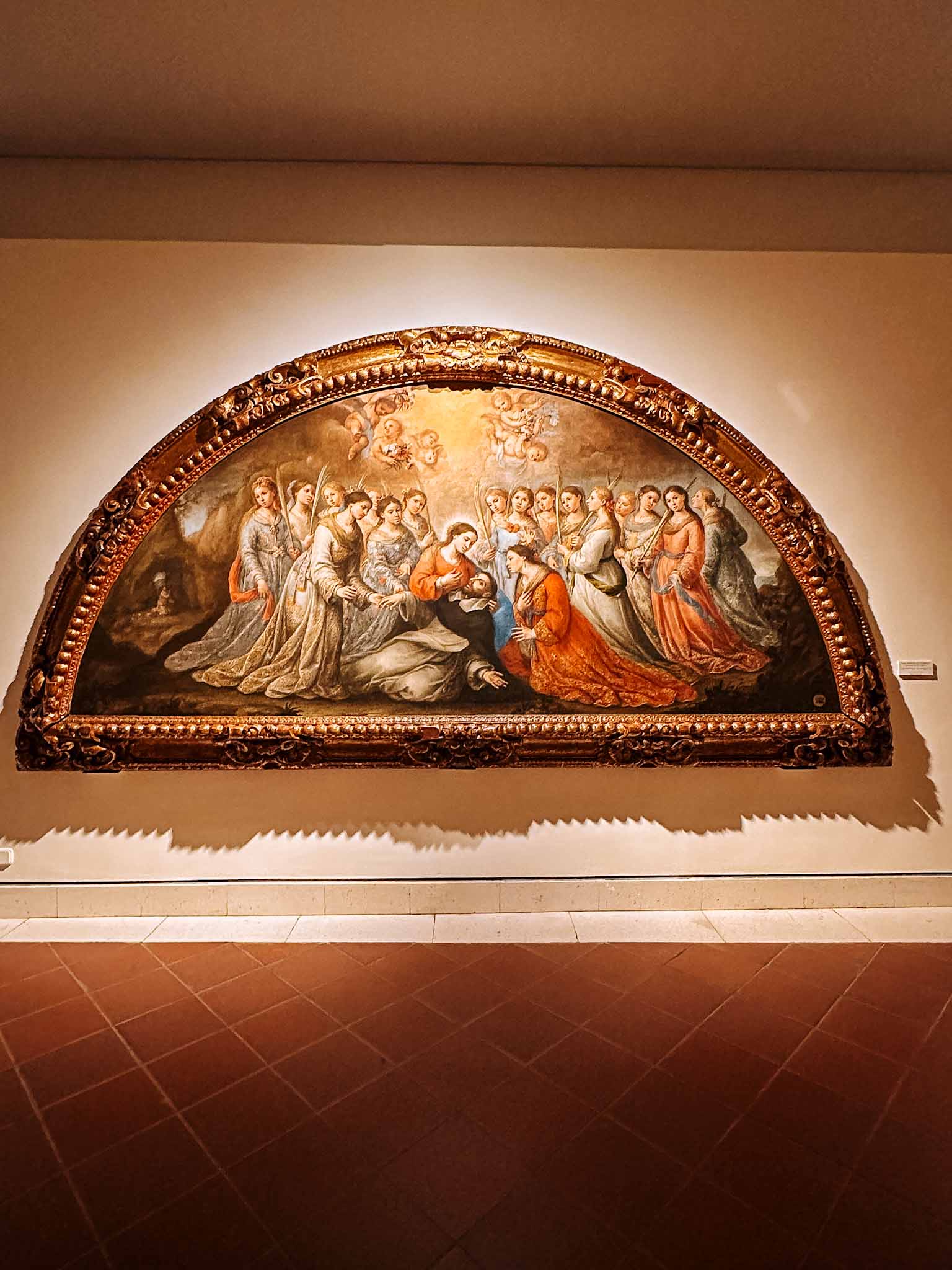
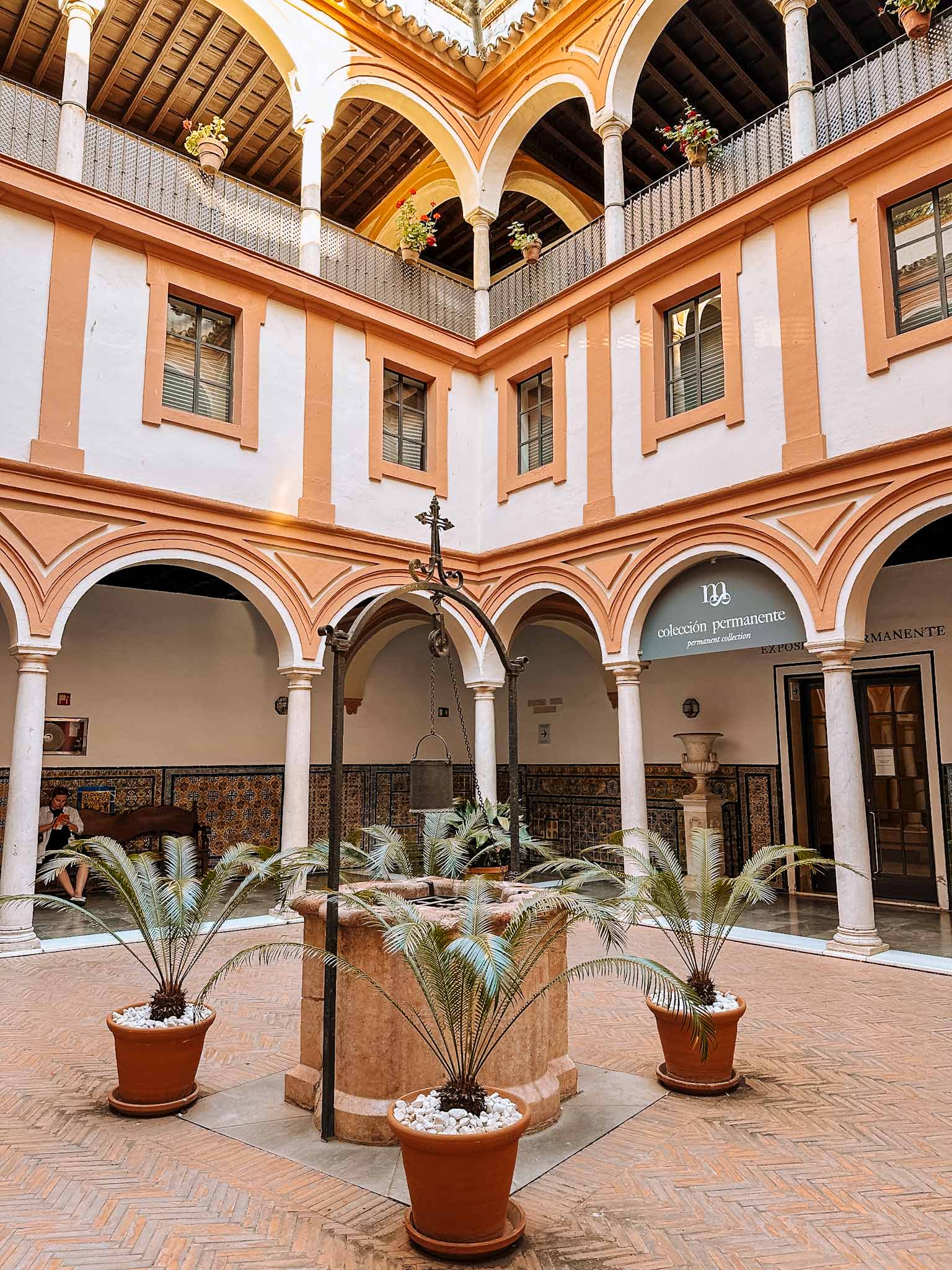
What is inside? The most important collection of Sevillian Golden Age painting anywhere in the world. Murillo, Zurbarán, Valdés Leal, Velázquez – basically every big-name Sevillian painter from the 17th century.
The room I loved most is the old convent church, now Room V. Huge Baroque paintings by Murillo hang all around a vaulted ceiling with painted frescoes. It is basically a religious art cathedral inside a museum.
Truly the best part is that admission is completely free for EU citizens and only 1.50 EUR for everyone else. Free on Sundays for all visitors. So for one of the top museums in Spain, this is a truly incredible deal.
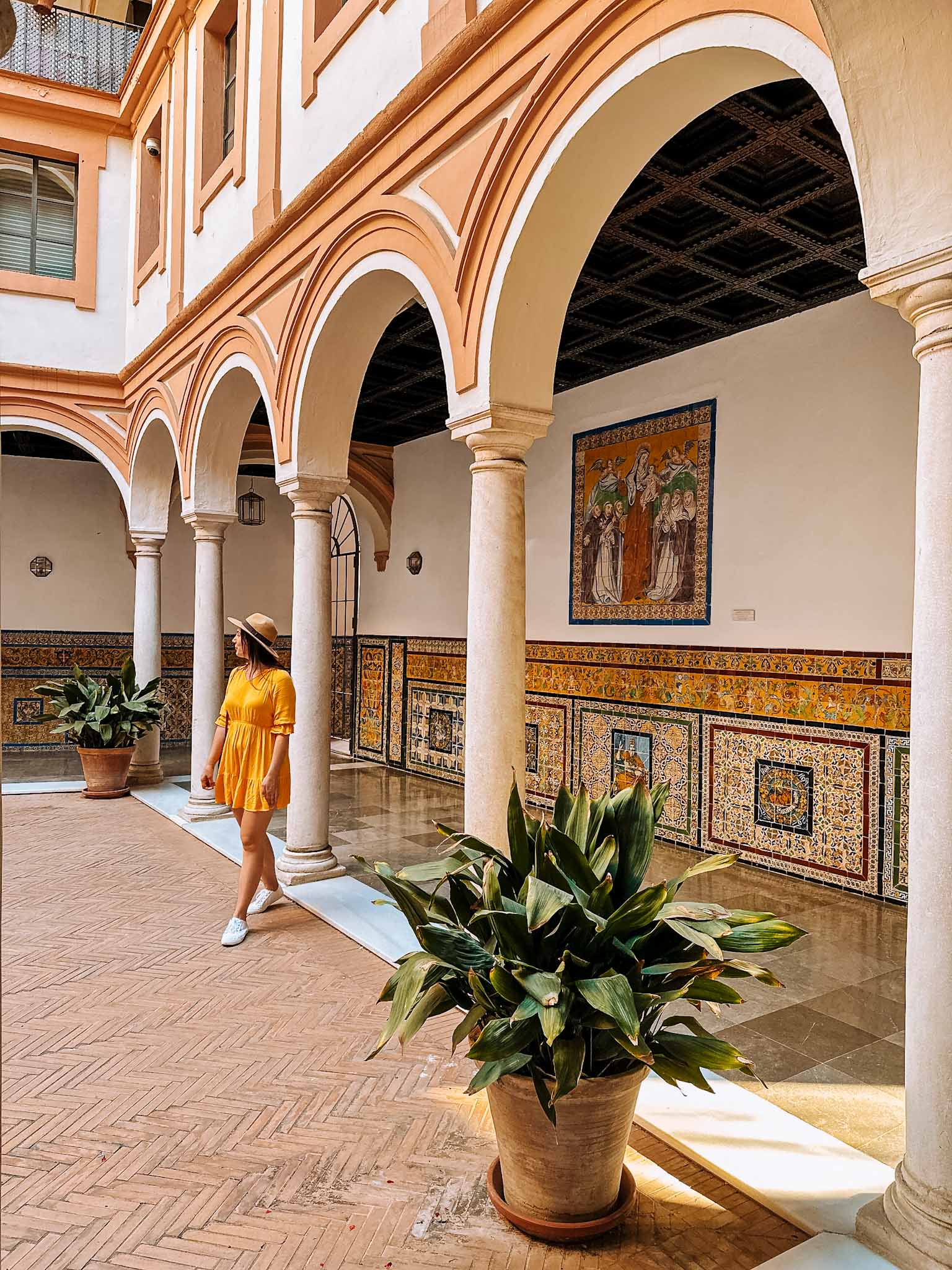
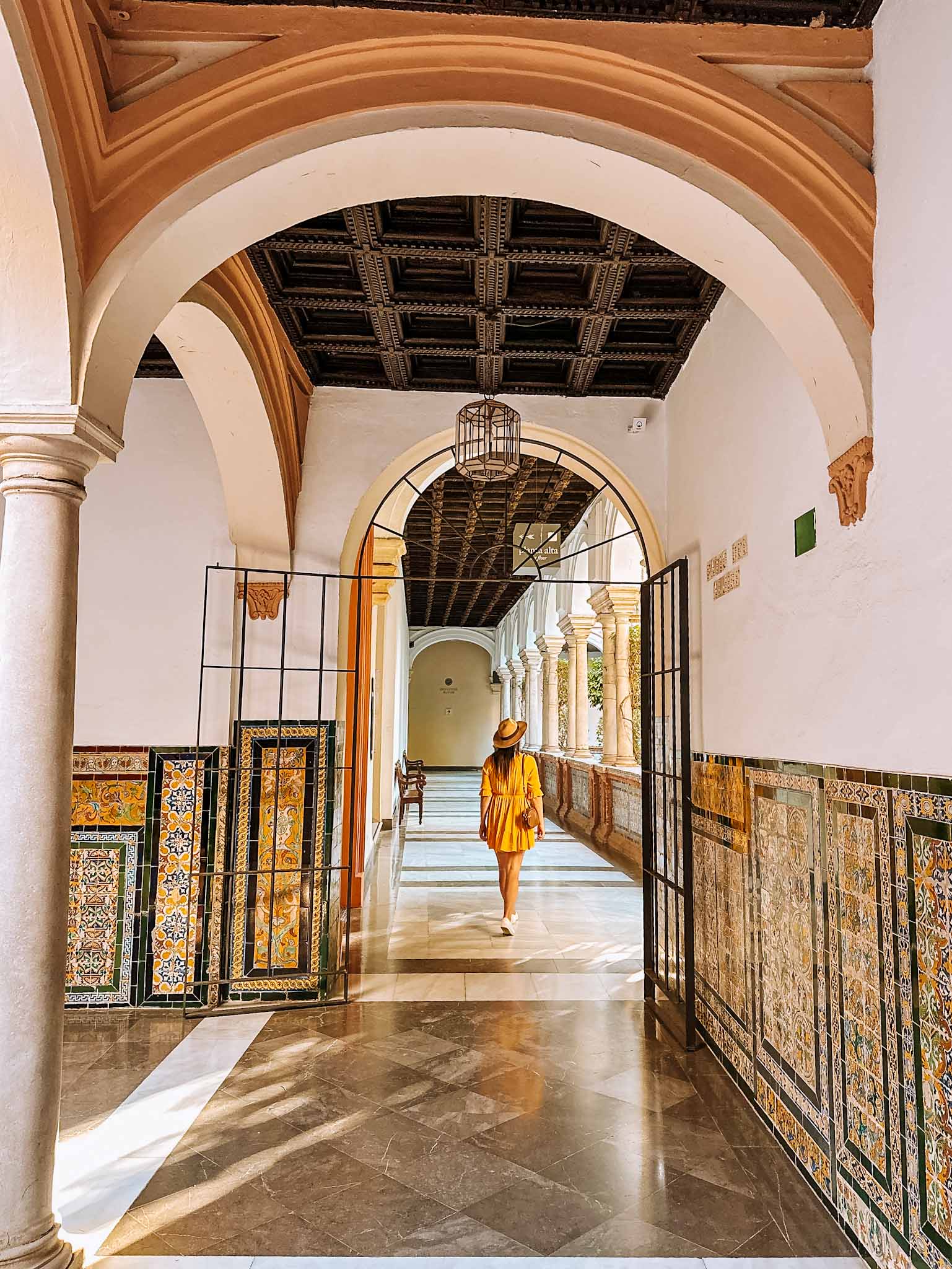
Opening hours are Tuesday to Saturday 9 AM to 9 PM, Sundays 9 AM to 3 PM. Closed Mondays. Plan around 1-2 hours for a proper visit.
On Sunday mornings, the Plaza del Museo out front hosts an open-air painters’ market where local artists sell their work. So it becomes an outdoor art fair leading straight into an indoor art museum. Perfect combo.
Location: Museo de Bellas Artes de Sevilla
10. Casa de Salinas
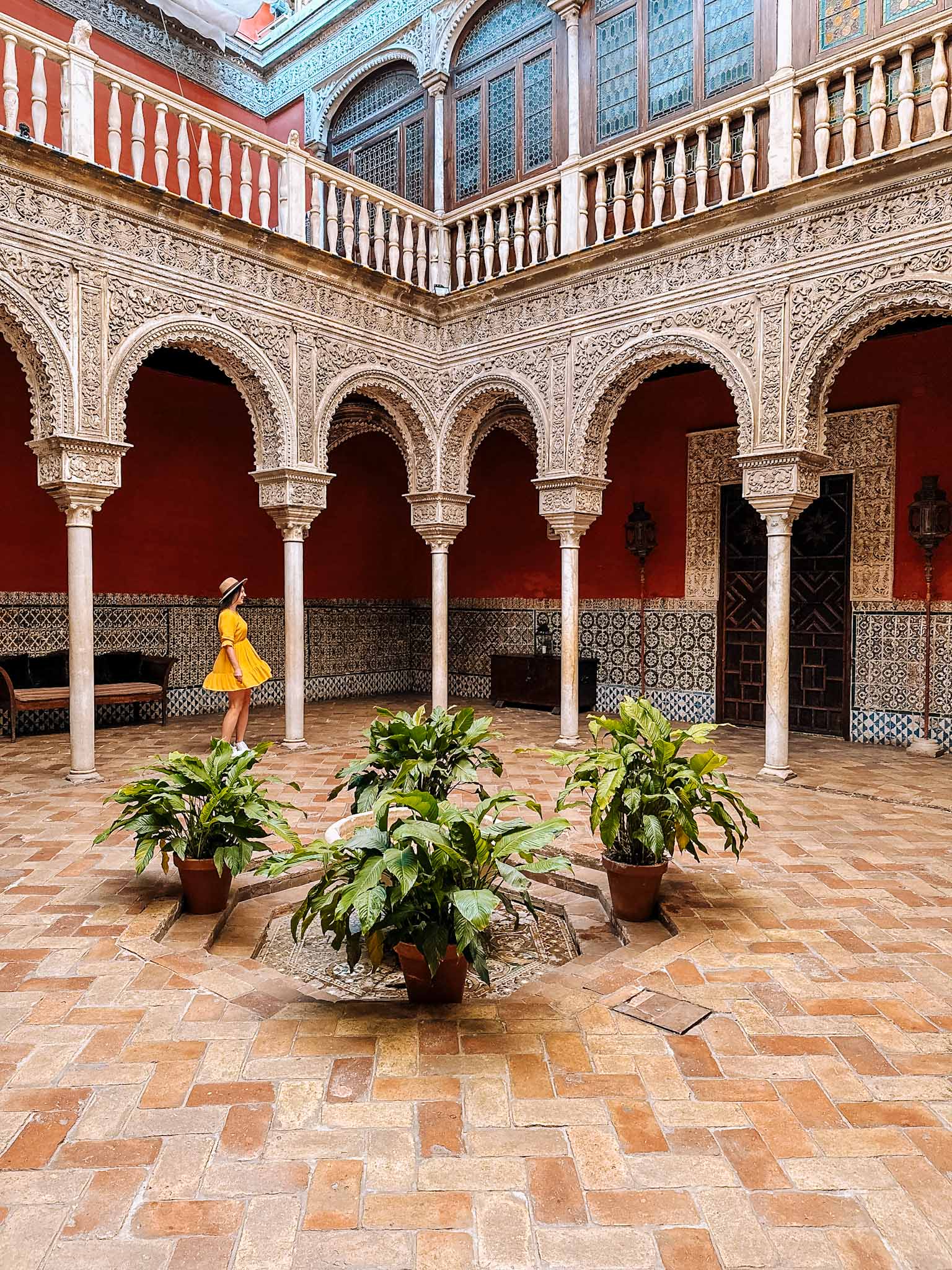
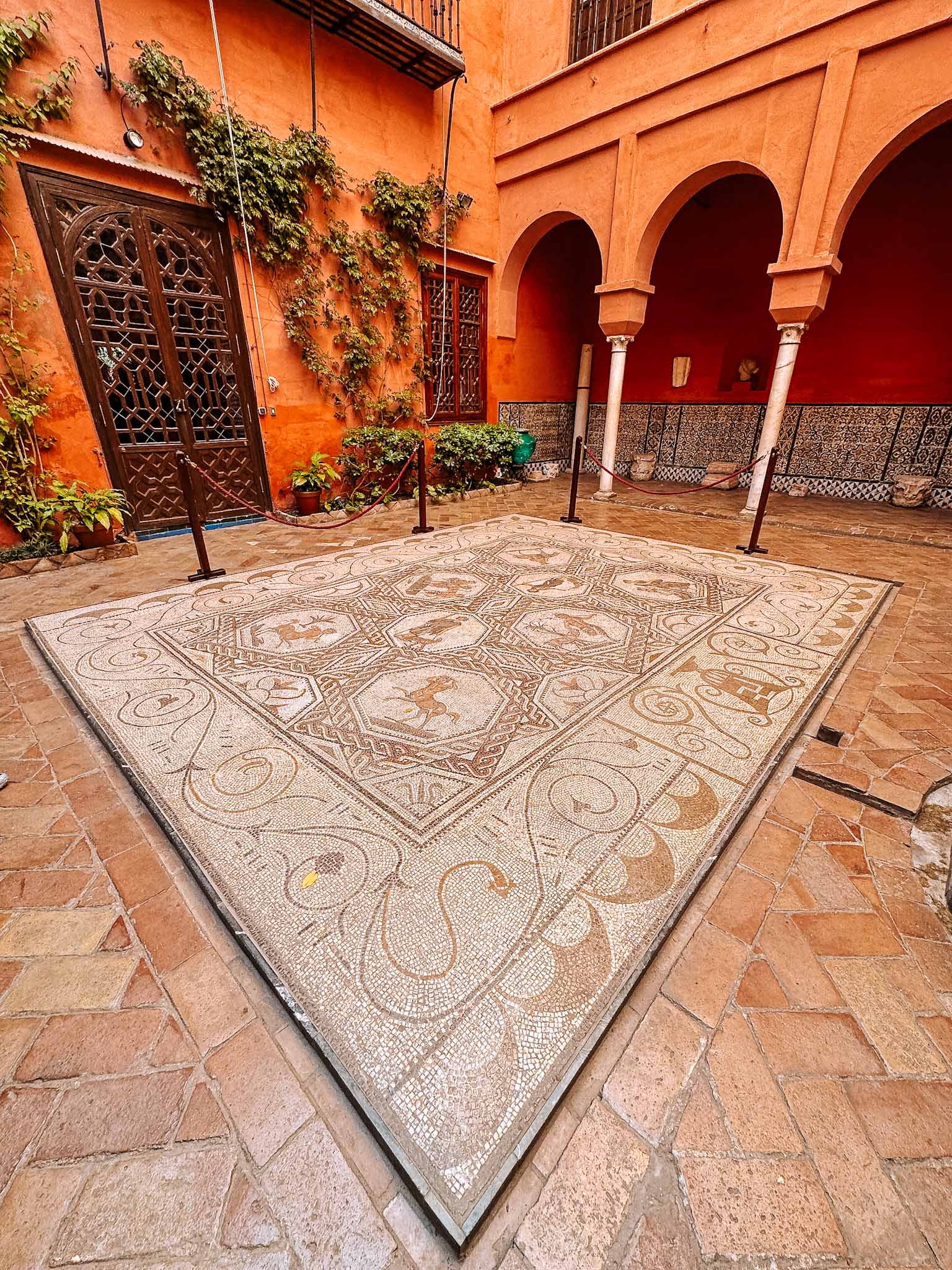
Casa de Salinas is a 16th-century Andalusian palace on Calle Mateos Gago, just a short walk from the Cathedral. And here is the wild part – it is still a private residence. The Salinas family actually lives there today.
From the outside, the facade is so plain that you would walk right past. Just a wooden door on a narrow street. But when you step inside, it opens into one of the most beautiful house-palaces in the whole city center.
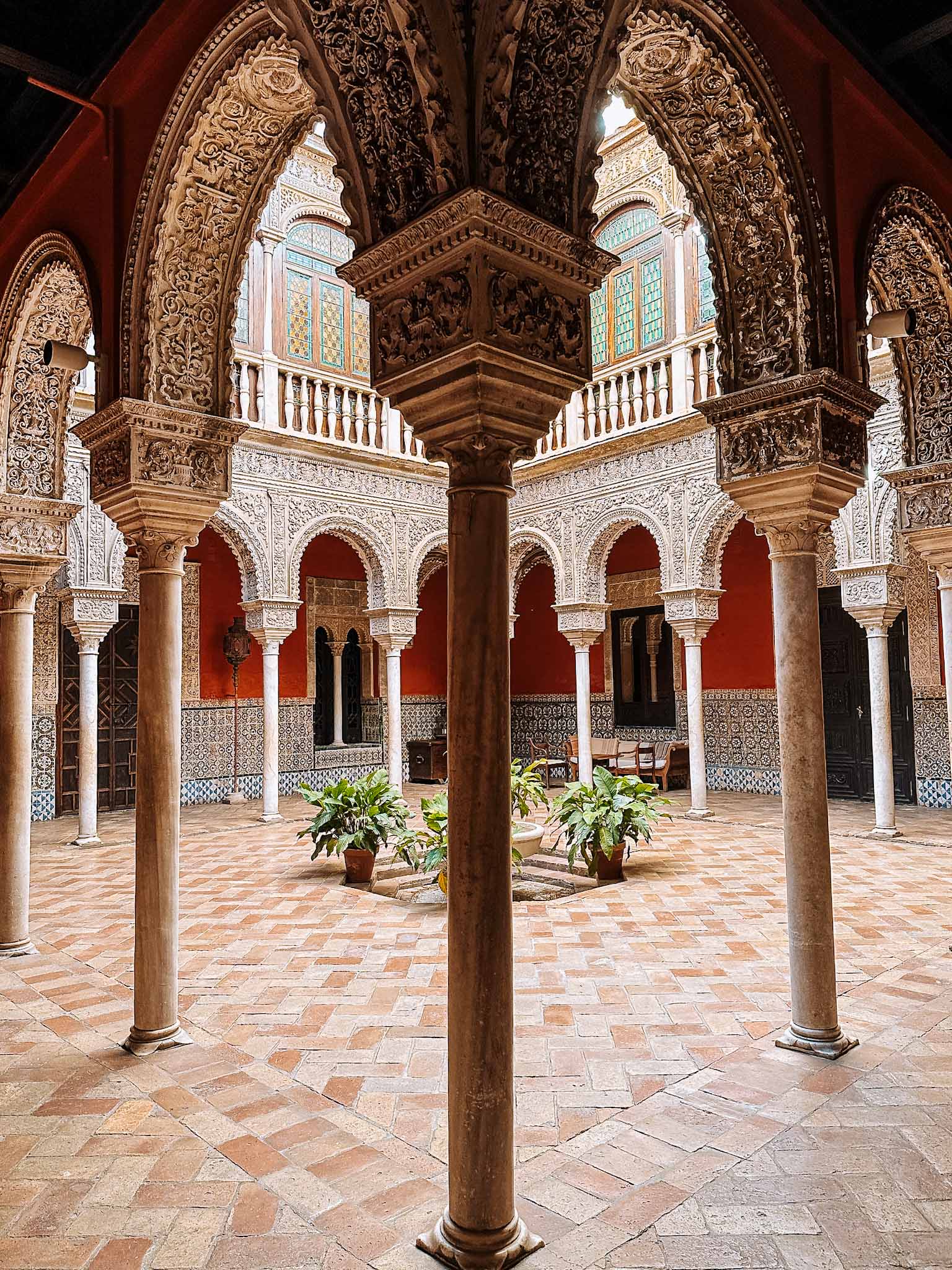
The building is a stunning mix of Gothic, Renaissance, and Mudéjar styles. The main patio has marble columns, Mudéjar-style arches, and delicate plateresque plasterwork – basically a mini version of what you see at the Real Alcázar.
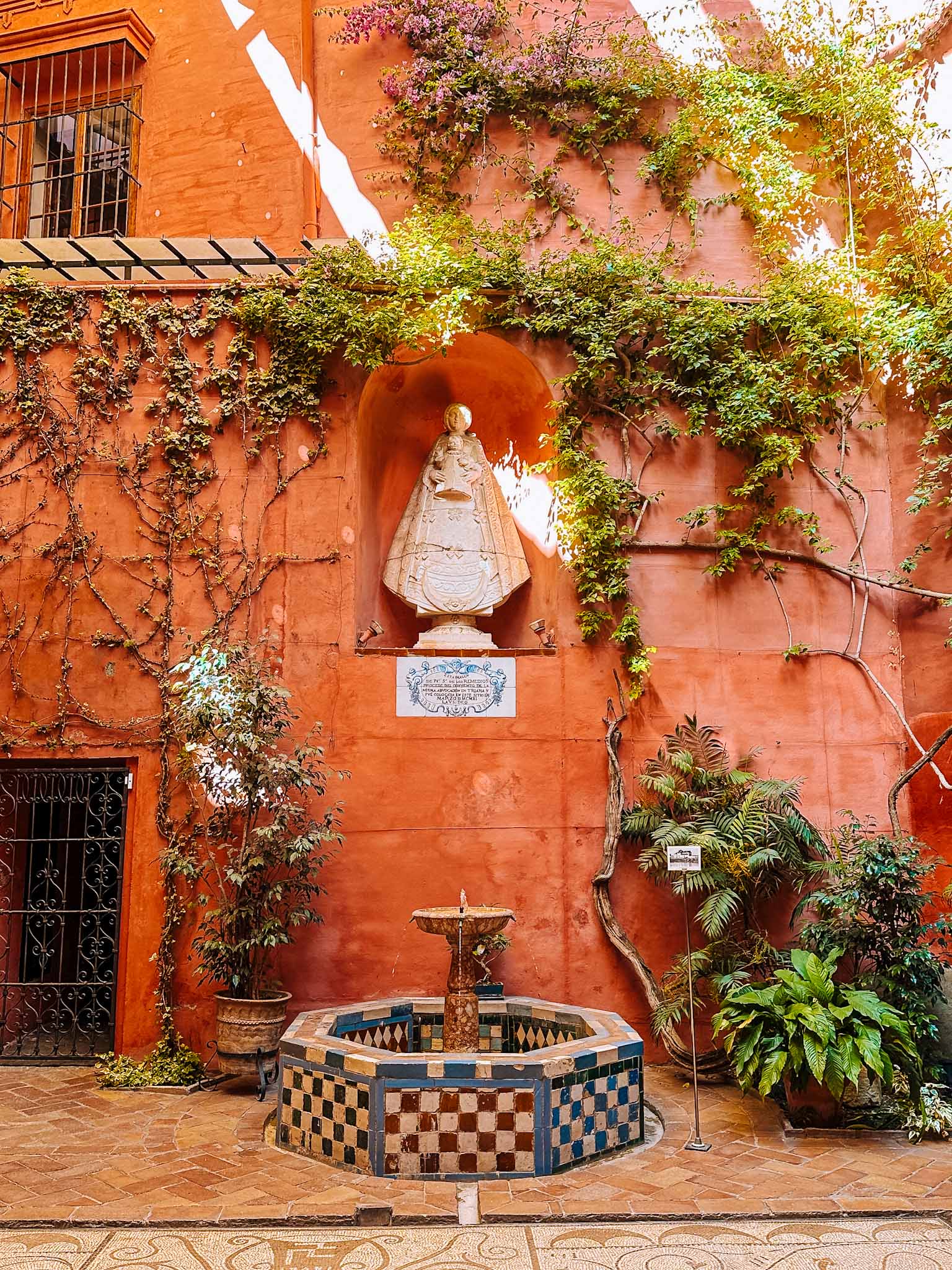
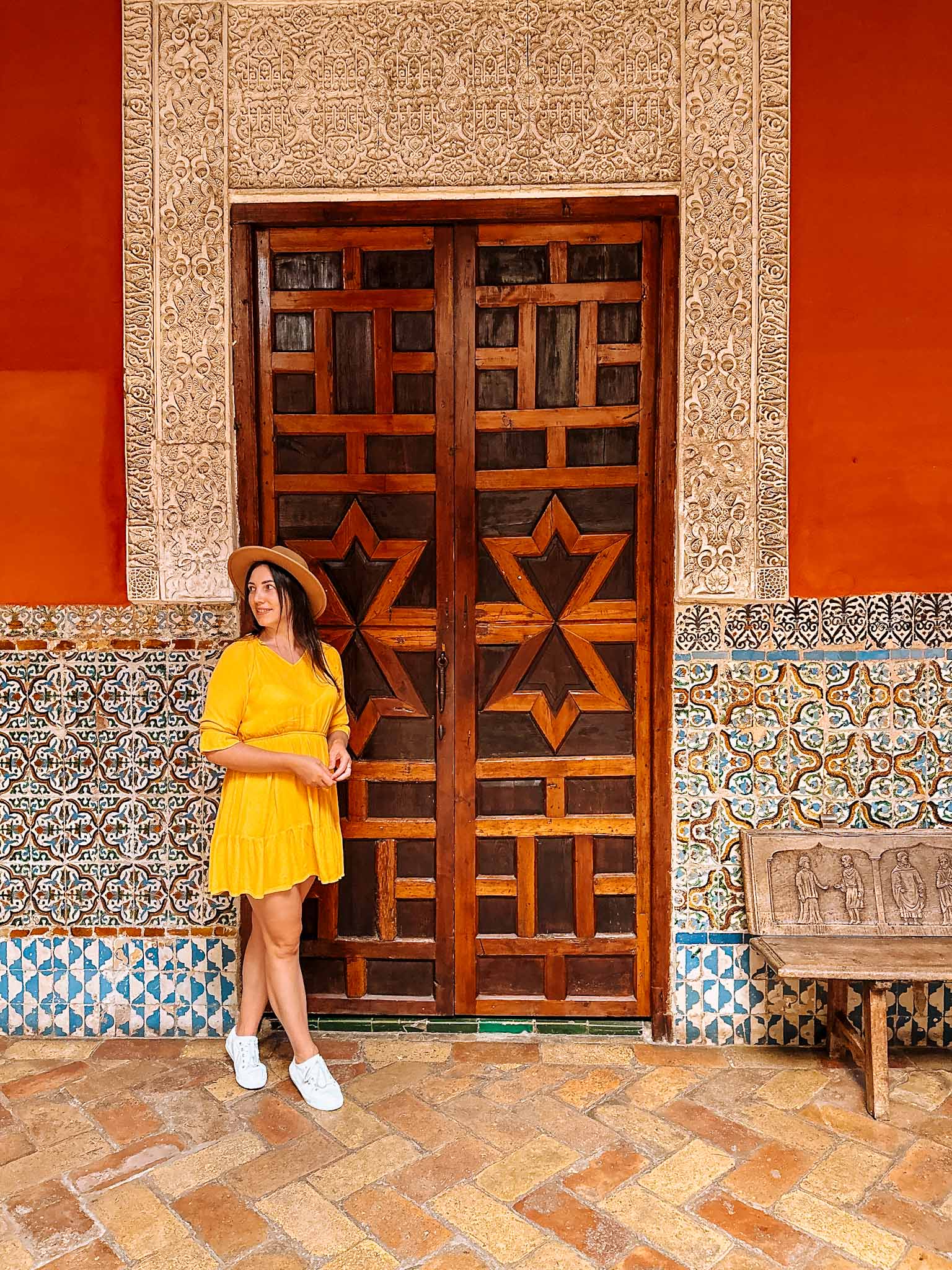
My favorite part is the second courtyard, which has an actual 2nd-century Roman mosaic dedicated to Bacchus (the Roman god of wine) as the floor. Truly wild to see something 2,000 years old being used as the patio floor of a private home.
The visit is a 25-minute audio guide tour (available in English, Spanish, French, and Italian) that takes you through both patios, the winter and summer salons, the hand-painted tile rooms, and the family chapel.
Tickets are 12 EUR and visits run every 30 minutes from 10 AM to 1 PM only, so book your time slot ahead. The house closes at 2 PM. There are no crowds because visitor numbers are strictly limited.
Real talk – if you have already seen the Real Alcázar and Casa de Pilatos, you might feel Casa de Salinas is a “smaller version” of the same thing. But if you love this style of palace, it is truly worth the extra hour.
Book now >>> Casa de Salinas Entry Ticket with Audio Guide
Location: Casa de Salinas
11. Plaza de América
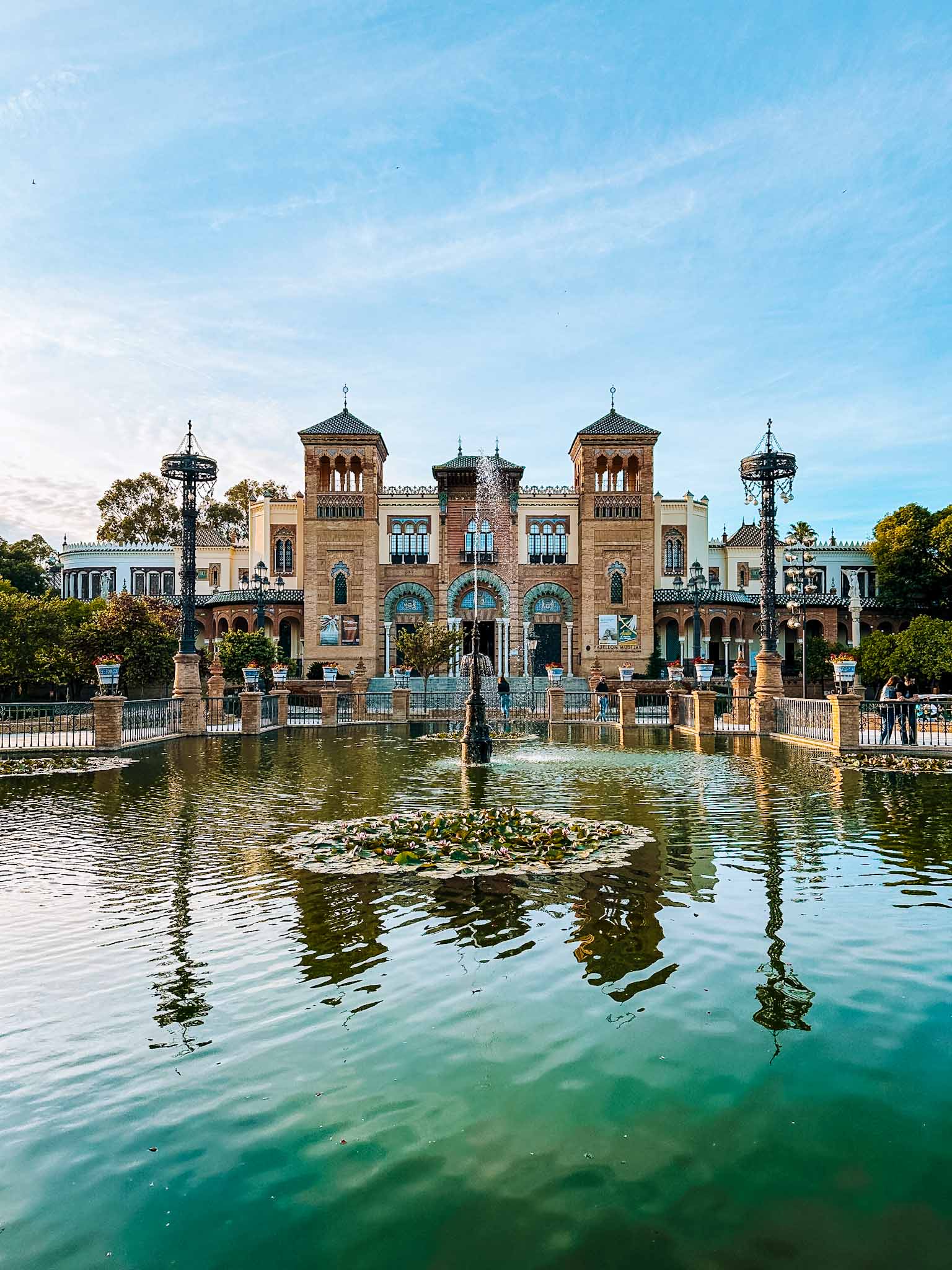
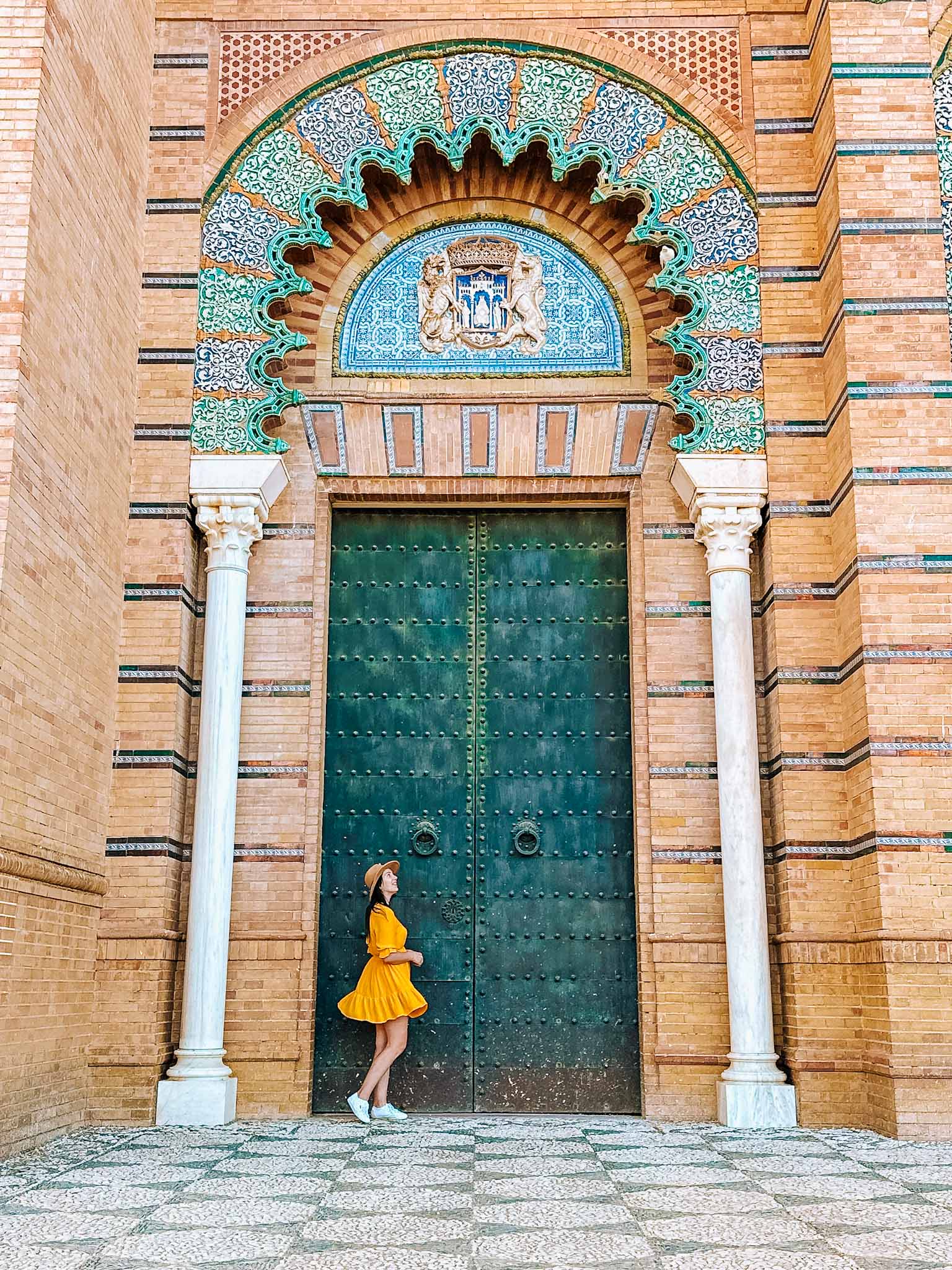
Everyone talks about Plaza de España, but almost nobody knows about Plaza de América. And that is a truly shame because it is one of my favorite corners in the whole city.
The plaza sits at the southern end of Parque de María Luisa, about a 15 minute walk south of Plaza de España. It is officially called the “Plaza of Doves” by locals because there are literally hundreds of white doves flying around.
The whole square was designed by architect Aníbal González for the 1929 Ibero-American Exposition (same guy who designed Plaza de España). And you can absolutely see the family resemblance in the style, with beautiful azulejo tiles and brickwork everywhere.
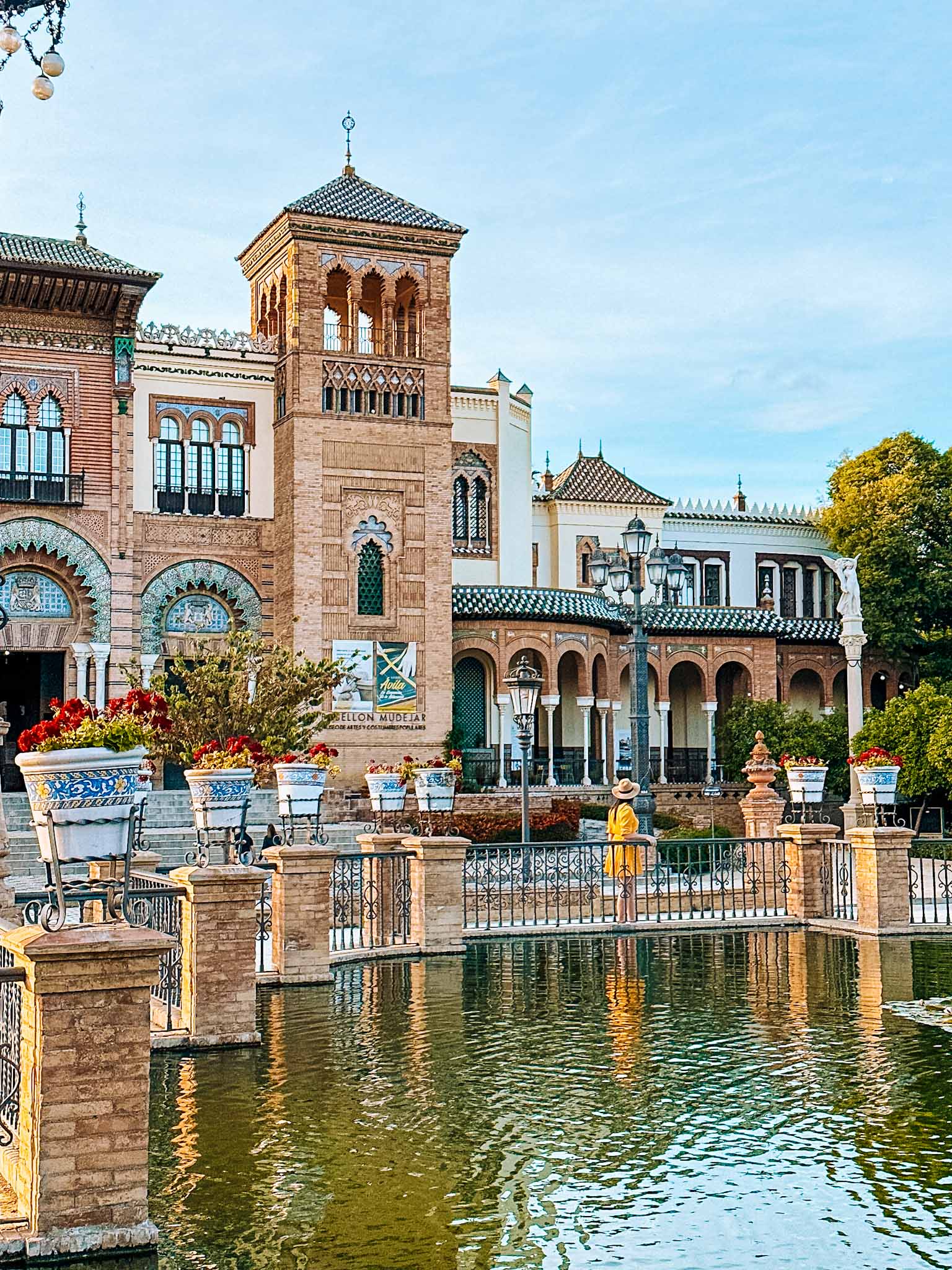
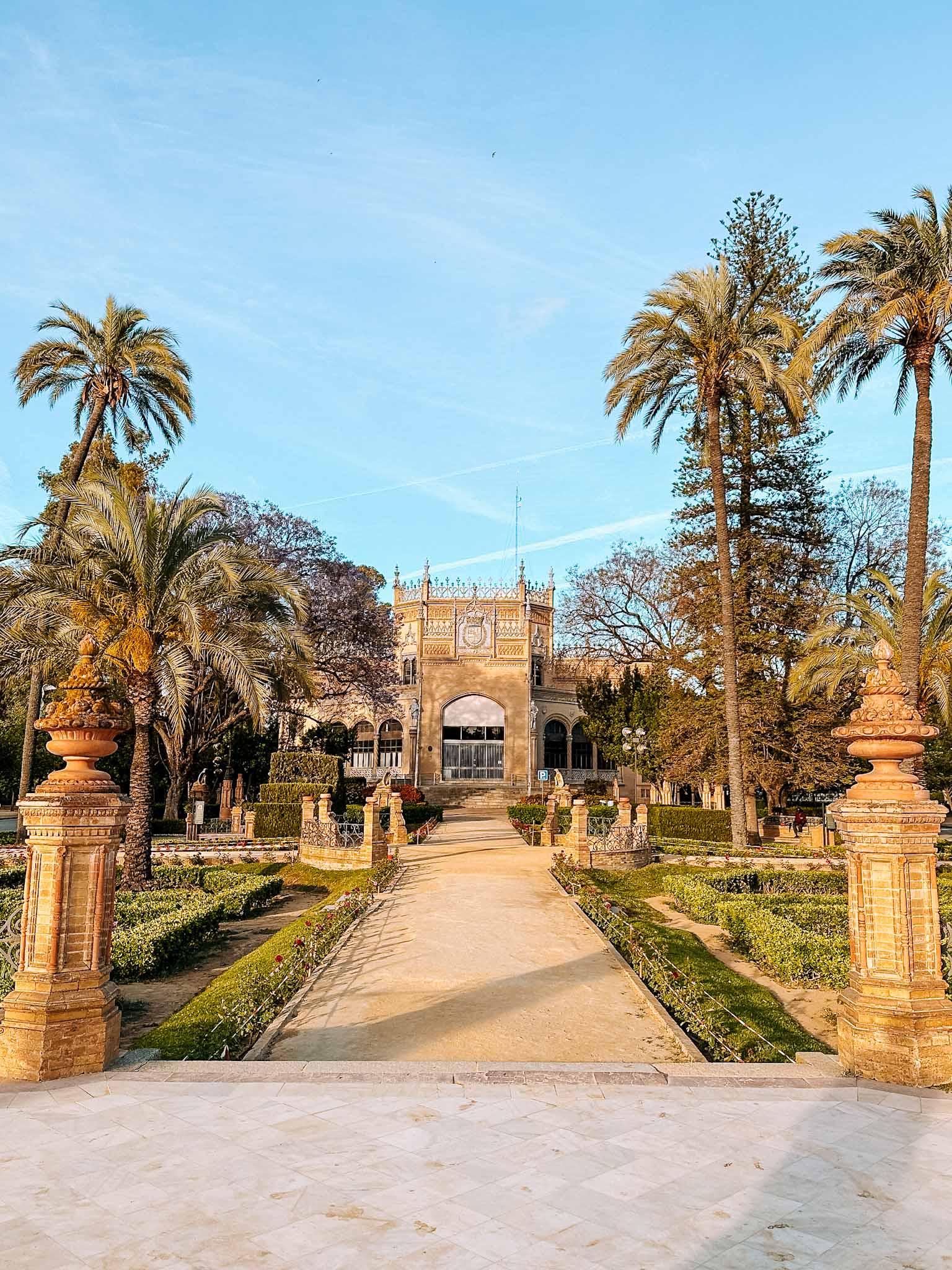
Two beautiful buildings bookend the plaza. The Museo Arqueológico (Archaeological Museum) on one side, and the Museum of Popular Arts (Museo de Artes y Costumbres) on the other. Both are worth a visit if you have time.
In the middle of the plaza is a big pond with a fountain and gorgeous flower beds all around. Great place to sit on a bench and just watch the doves. So peaceful compared to the busy center.
Best time to visit – late afternoon or golden hour. The golden light makes the azulejo tiles glow, and the doves come out in flocks for their evening feed.
Pro tip – combine your visit with a walk through Parque de María Luisa and Plaza de España for a really relaxing half-day. All three connect by shaded paths lined with palm trees.
Location: Plaza de América
12. Iglesia del Salvador
The Iglesia del Salvador (or Iglesia Colegial del Divino Salvador) is the second-largest church in all of Seville. Only the Cathedral is bigger. And yet, it always sits in the Cathedral’s shadow. Somehow, tourists just walk right past it.
Here is why it deserves your attention. This church is built on top of the very first Great Mosque of Seville, the Mezquita of Ibn Adabbas, which was built in 830 AD during the Moorish Umayyad period.
When you visit, you can actually still see remains of the original mosque incorporated into the church.
The Patio de los Naranjos (Orange Tree Courtyard) is where the mosque’s main courtyard used to be, and the base of the bell tower was the original minaret. Truly a layer cake of history.
The current Baroque church was built between 1674 and 1712, designed by architect Leonardo de Figueroa. Fun fact – the church actually collapsed once during construction, so they had to reinforce it with solid piles.
Once you go inside, the interior is absolutely stunning. The main altarpiece is a 21-meter (69-foot) tall gold Baroque explosion carved by Portuguese artist Cayetano de Acosta between 1770 and 1779. So opulent!
There are also famous sculptures inside, including Jesús de la Pasión by Juan Martínez Montañés (one of the most important Spanish baroque sculptors). This piece leads one of the biggest processions during Semana Santa (Holy Week).
Here is a great tip. A combined ticket for the Cathedral + Iglesia del Salvador costs the same as a Cathedral-only ticket. If you buy at the Salvador ticket office instead of the Cathedral, you also skip the Cathedral’s massive queue. Truly a smart hack.
Opening hours are Monday to Saturday 11 AM to 5:30 PM, Sunday 3 PM to 7 PM. It is an active place of worship, so plan around Sunday morning mass times if you want to see the interior.
Location: Iglesia del Salvador
13. Hospital los Venerables
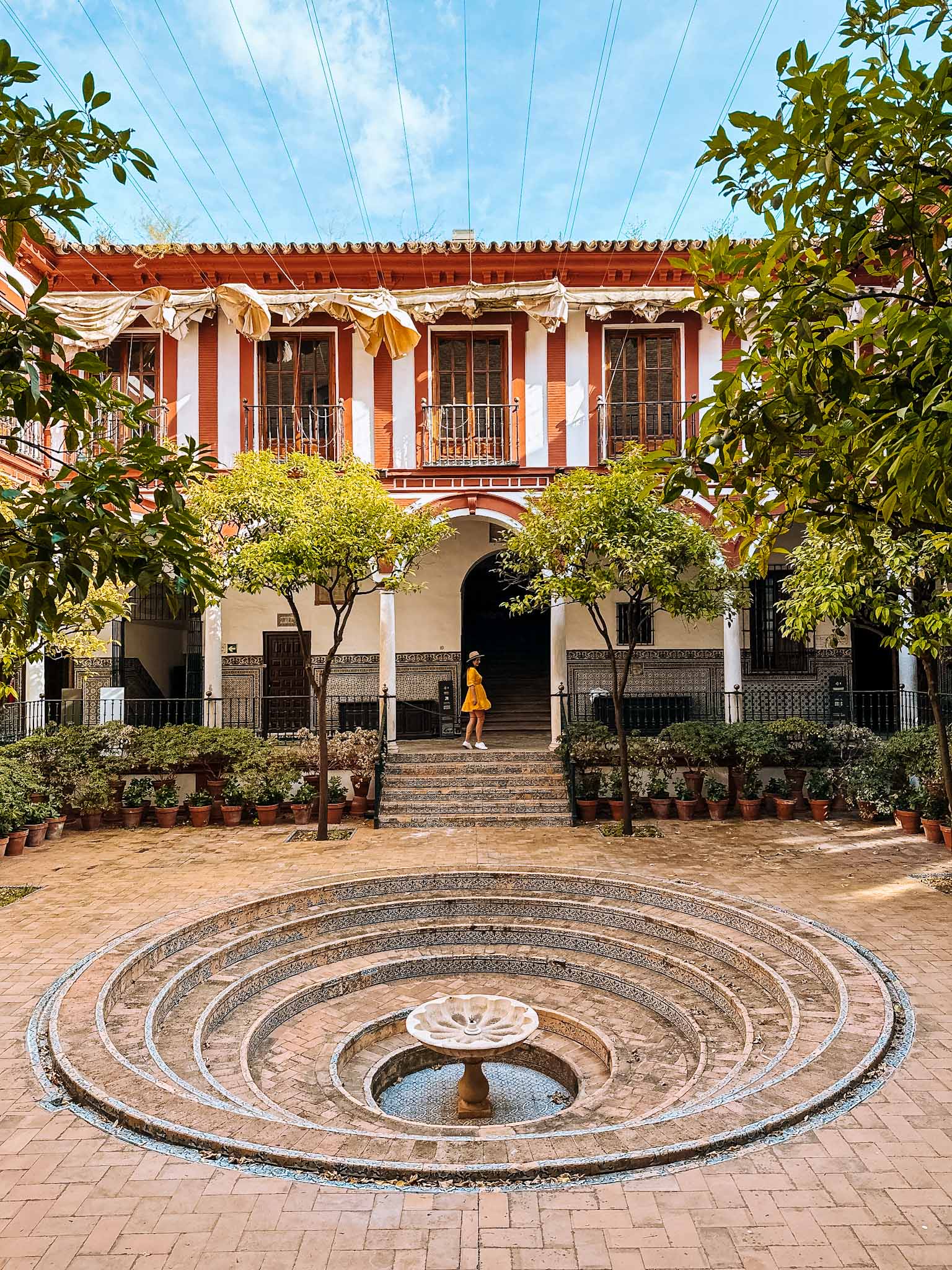
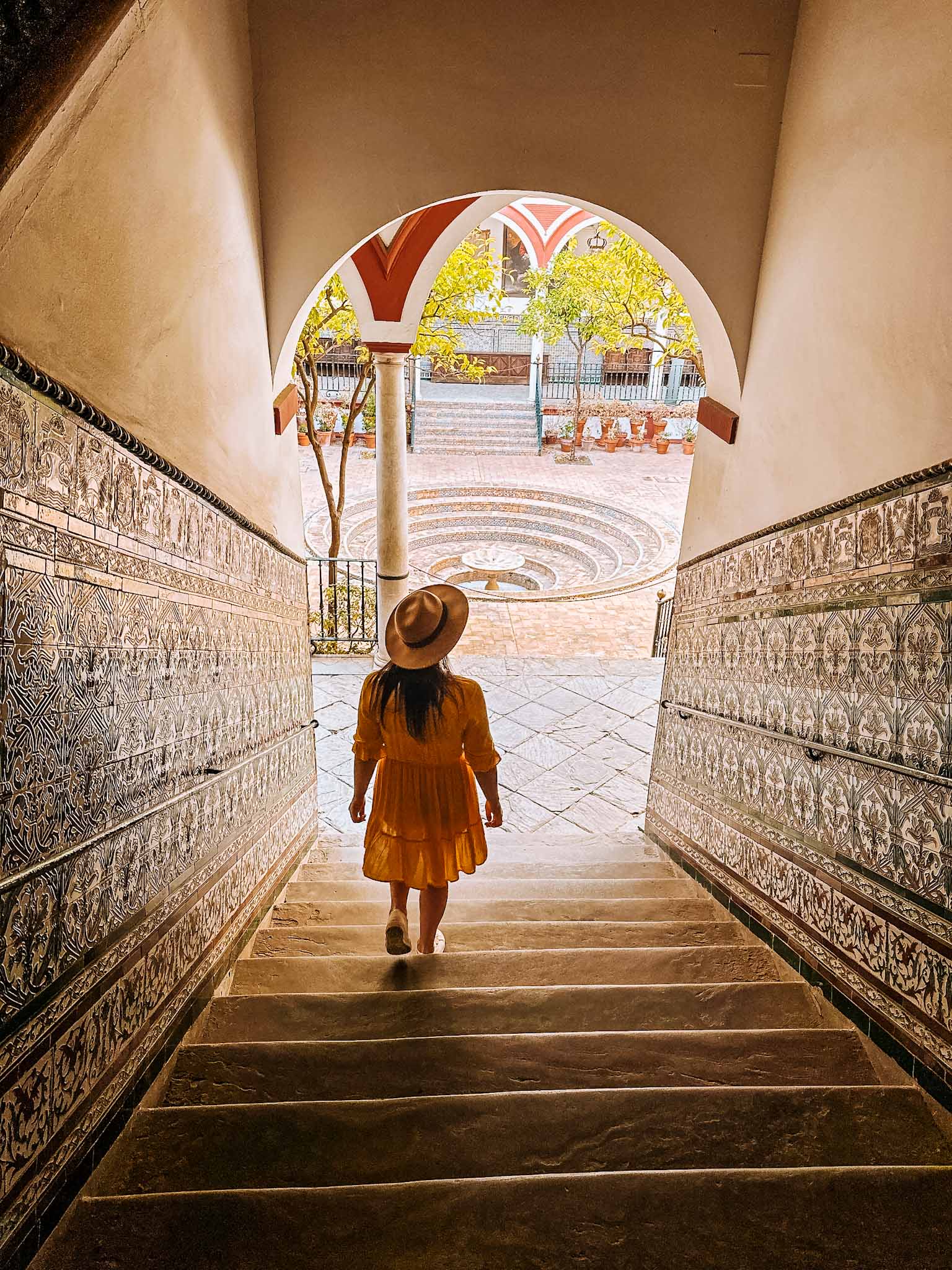
The Hospital de los Venerables is a stunning 17th century baroque building hidden away in Barrio Santa Cruz.
It was originally built to house elderly and disabled priests (the “venerables” of the name), and today it is one of the most beautiful hidden gems in the old town.
The building was completed in 1697 by architect Leonardo de Figueroa (same one who did Iglesia del Salvador). The design is a classic Sevillian layout – a rectangular building around a central courtyard.
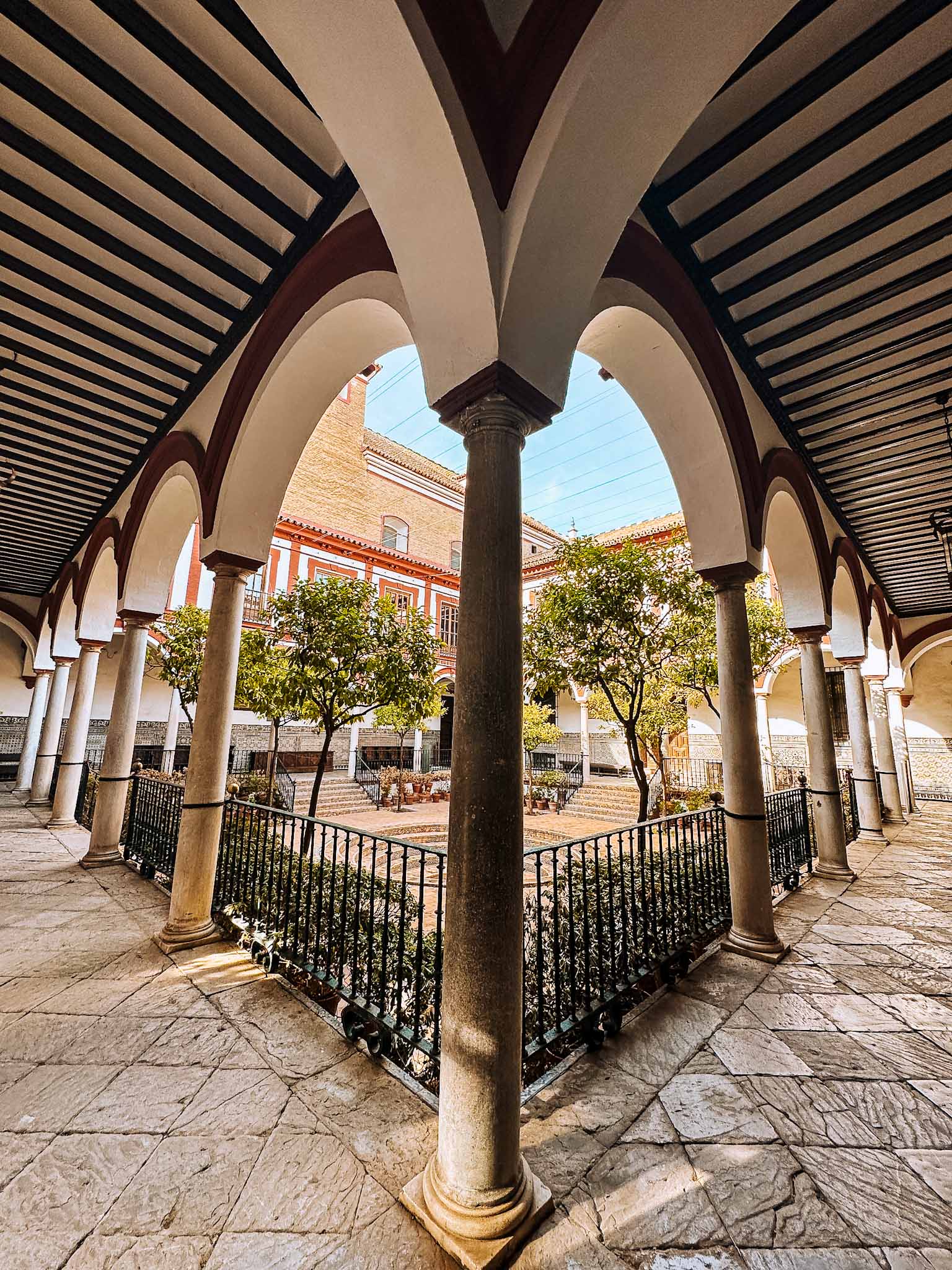
The central courtyard is my favorite part. It has a sunken fountain in the middle, orange trees, and beautiful azulejo tiles all around. Truly a peaceful little corner in the middle of the busy Santa Cruz neighborhood.
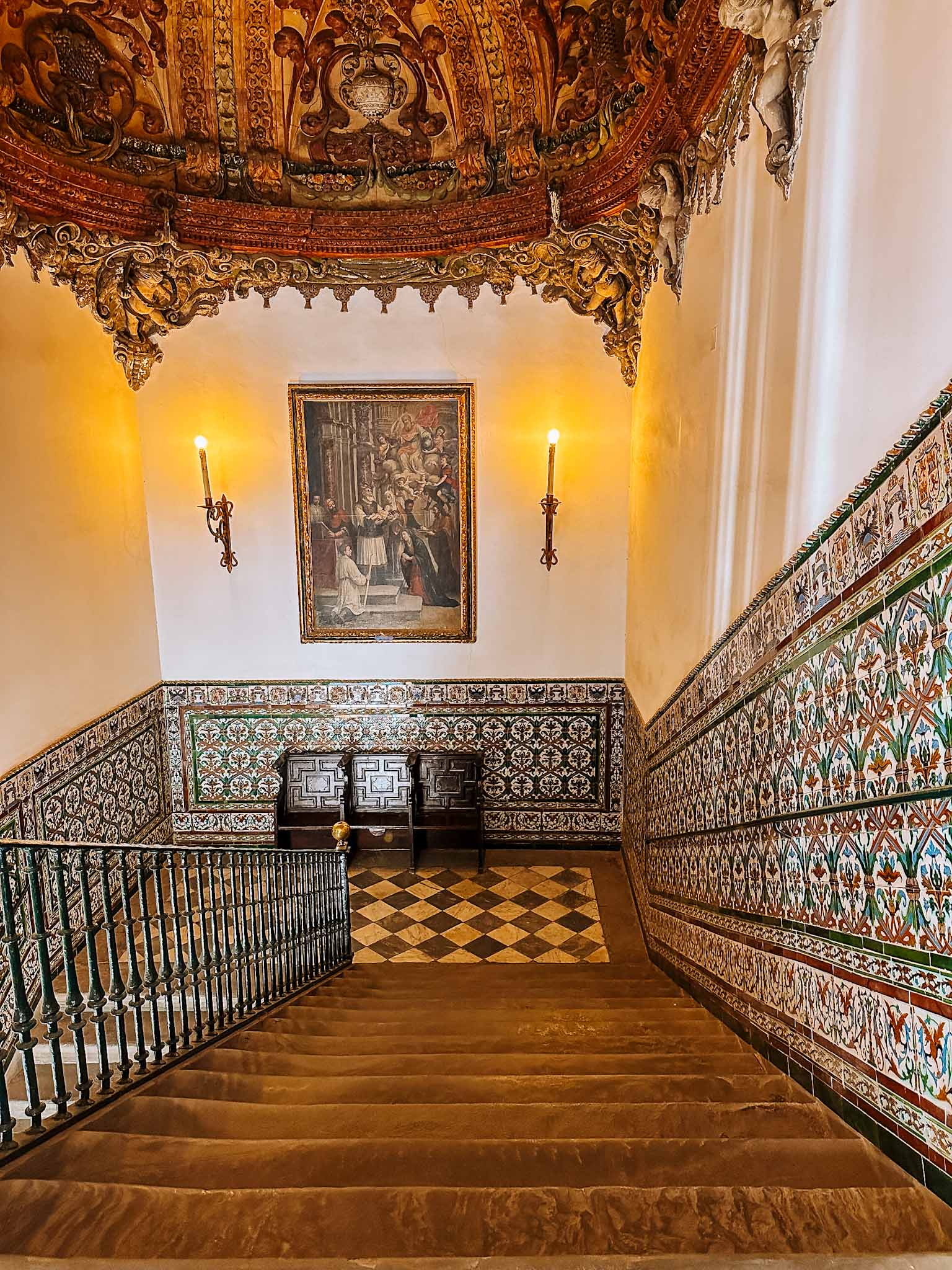
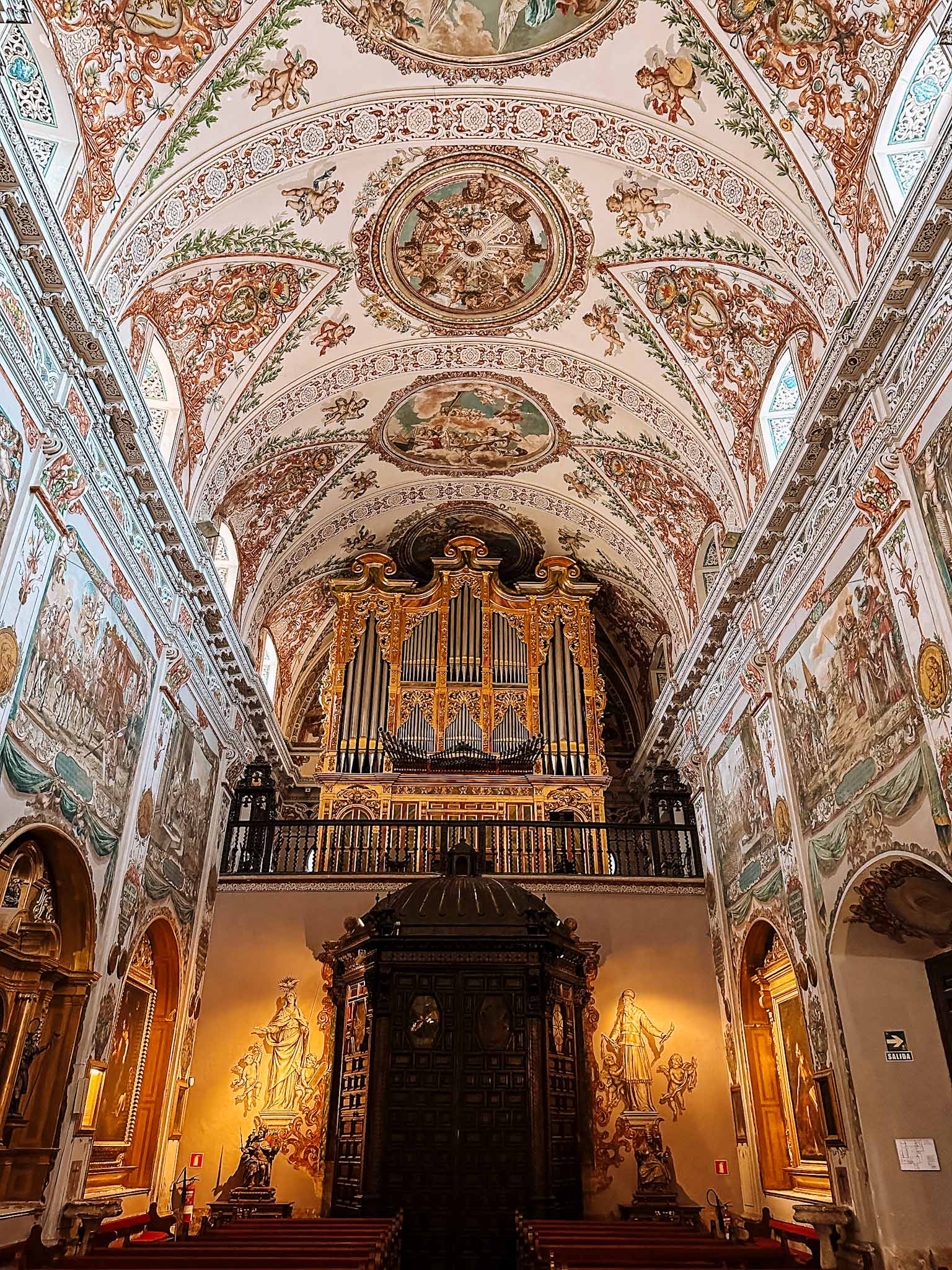
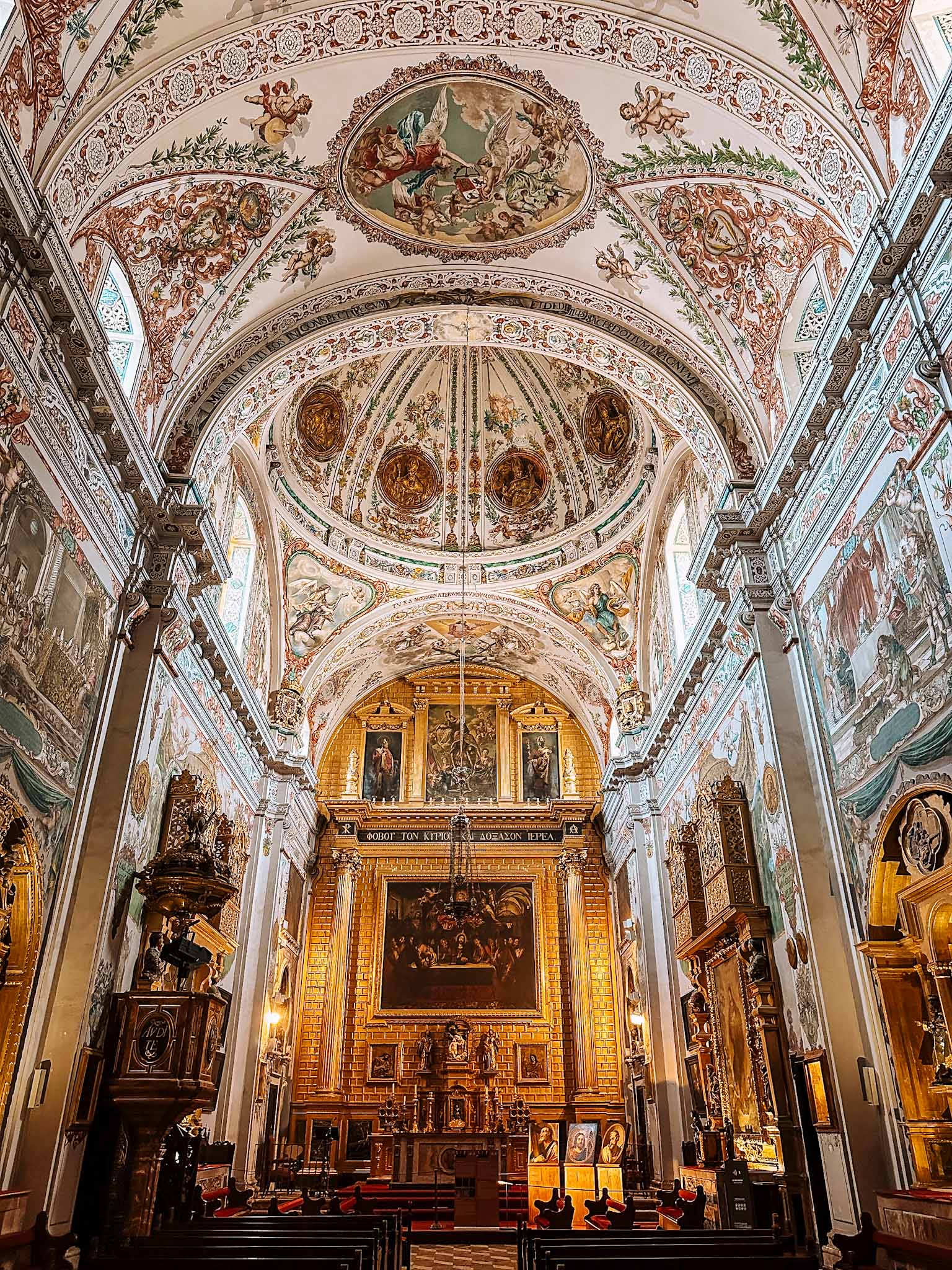
The chapel inside is truly jaw-dropping. It has an over-the-top baroque altar and frescoes by Juan de Valdés Leal (one of the most important Sevillian painters of the 17th century). The ceiling frescoes cover the entire nave.
Today the building is home to the Velázquez Center (Centro Velázquez), a museum run by the Focus Foundation. It has a small but truly world-class collection of Spanish Golden Age art.
The centerpiece is The Immaculate Conception by Diego Velázquez himself. Yes, that Velázquez. There are also works by Zurbarán, Murillo, Alonso Cano, and other big names. All in a peaceful atmosphere without any crowds.
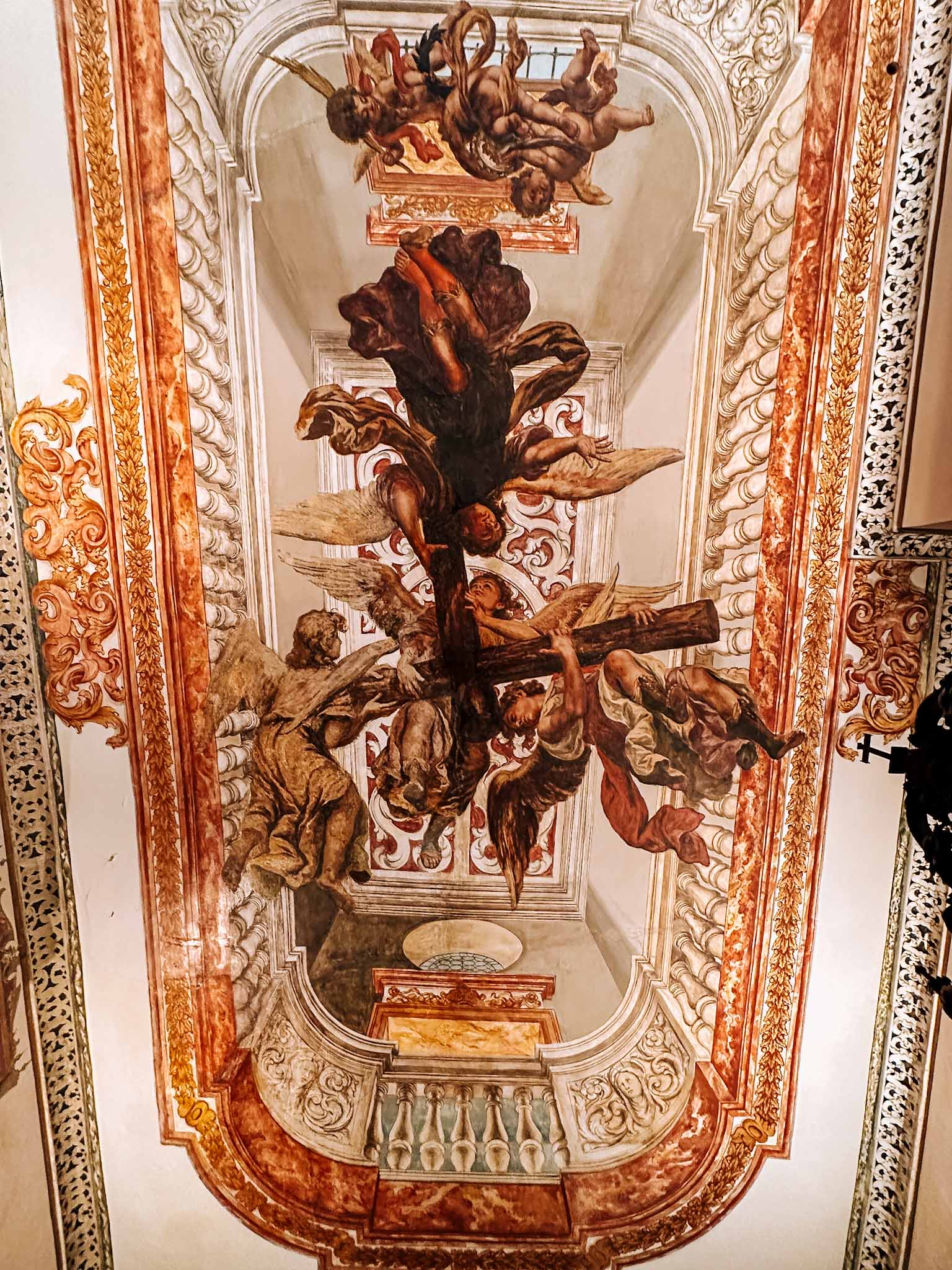
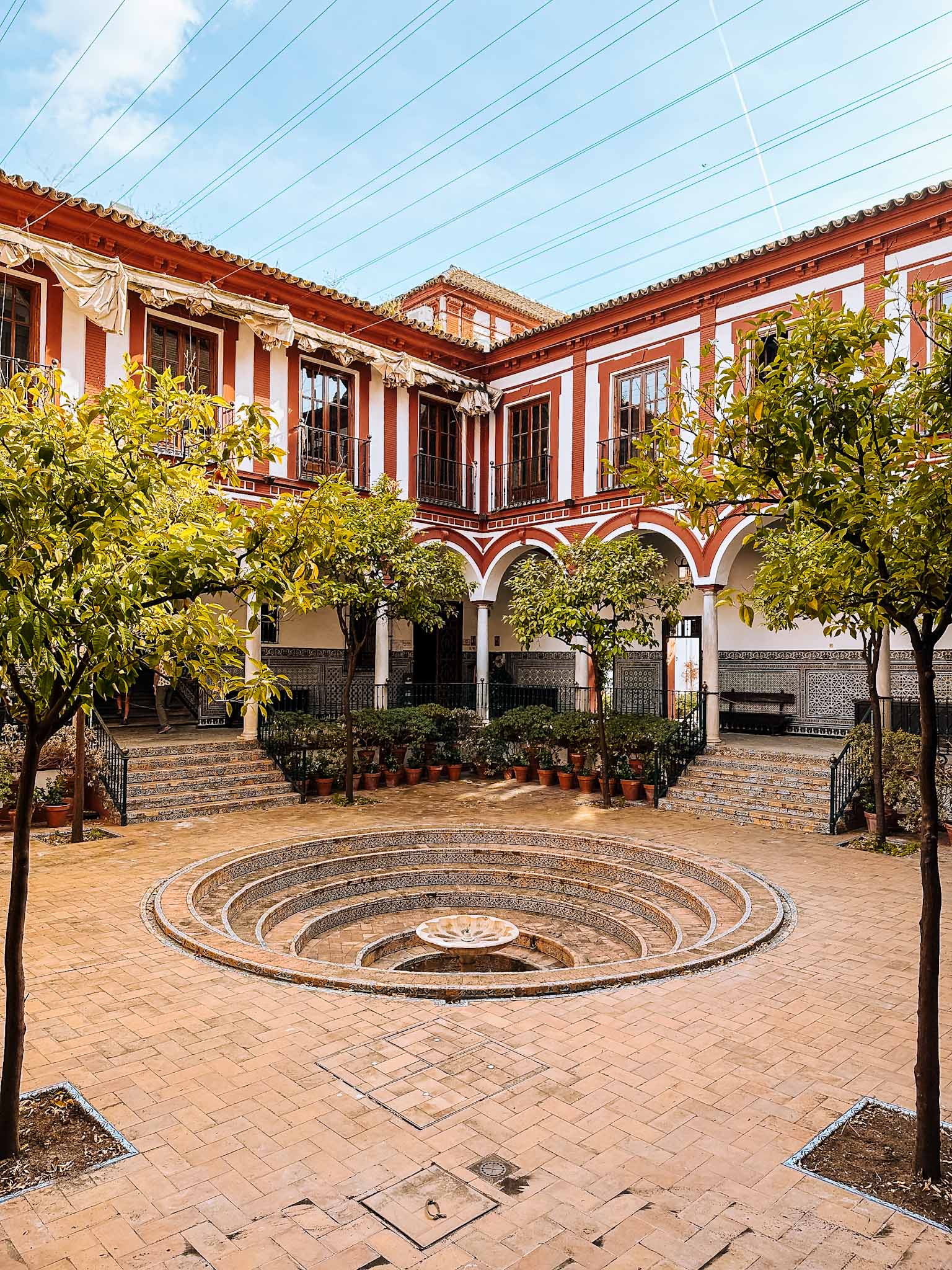
Tickets are around 10 EUR. Open daily 10 AM to 6 PM. Truly a great option for a couple of hours away from the busy tourist trail.
Location: Hospital de los Venerables
14. Dulcería Manu Jara
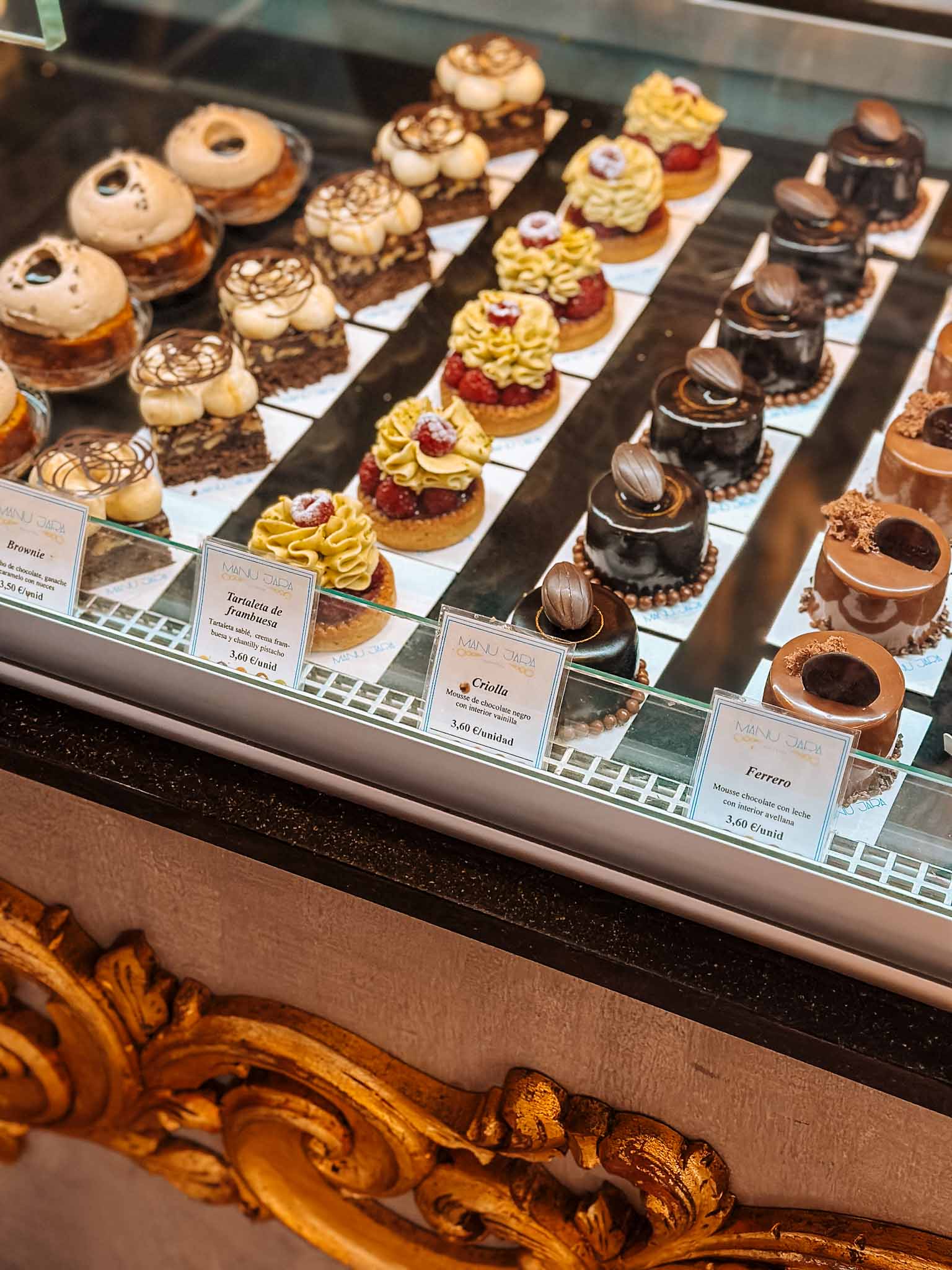
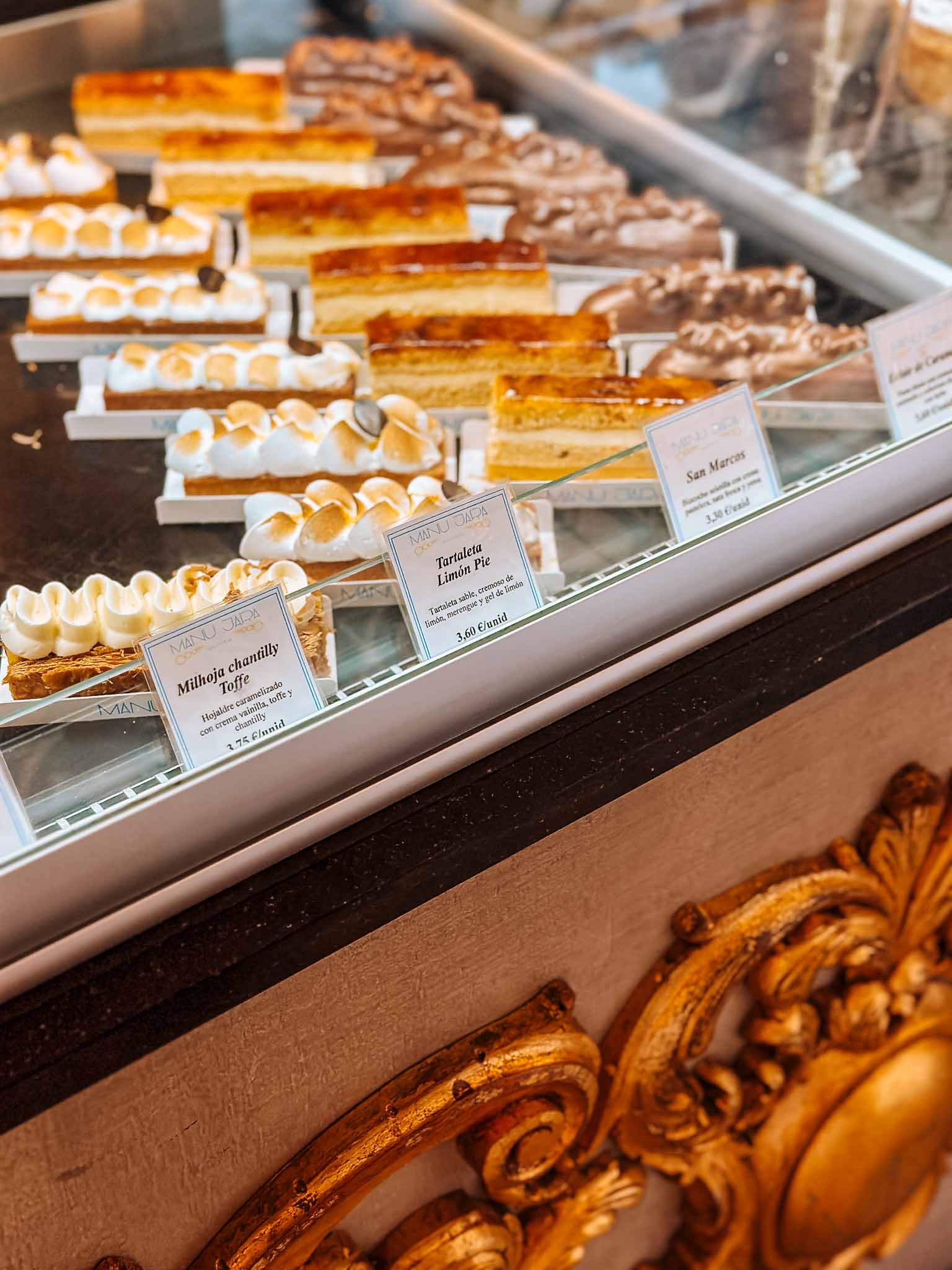
Dulcería Manu Jara is a tiny artisanal patisserie in the Triana neighborhood, and truly one of the most delicious hidden gems in the whole of Seville. If you love pastries, you cannot skip this place.
The story behind it is really cool. Manu Jara is a Sevillian pastry chef who trained in France under Alain Ducasse (one of the most famous chefs in the world). He came back to Seville and opened this little shop to bring French-style patisserie to his hometown.
The shop is small – basically one narrow room with a display counter and a few small tables. But the pastries are truly a piece of art. Colorful macarons, delicate merengues, chocolate bonbons, tarts, and croissants that would fit right in on a Parisian street.
My favorite is the pistachio macaron and the salted caramel bonbons. But truly, anything you pick from the counter is delicious. The staff is really nice and happy to explain what everything is if you don’t recognize the names.
Perfect afternoon plan – grab a box of pastries here, walk down Calle Pureza toward the river, cross the Puente de Triana, and eat them while sitting by the Guadalquivir with a view back at the old town. So good.
Real talk – the shop is small and gets busy on weekends and holidays. Best time to visit is a weekday morning or late afternoon. Also, cash and cards both accepted.
Location: Dulcería Manu Jara
15. Seville’s food markets
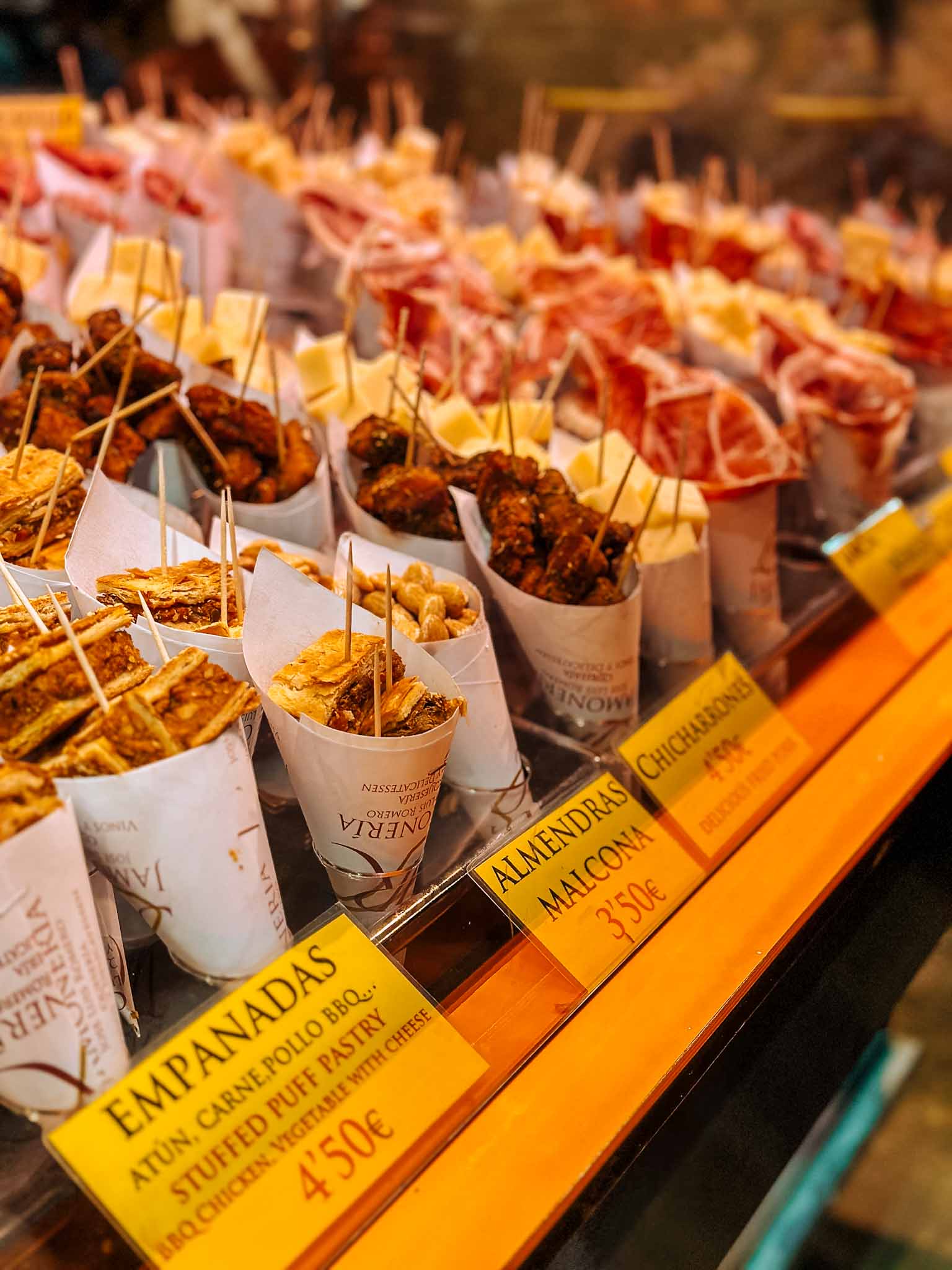
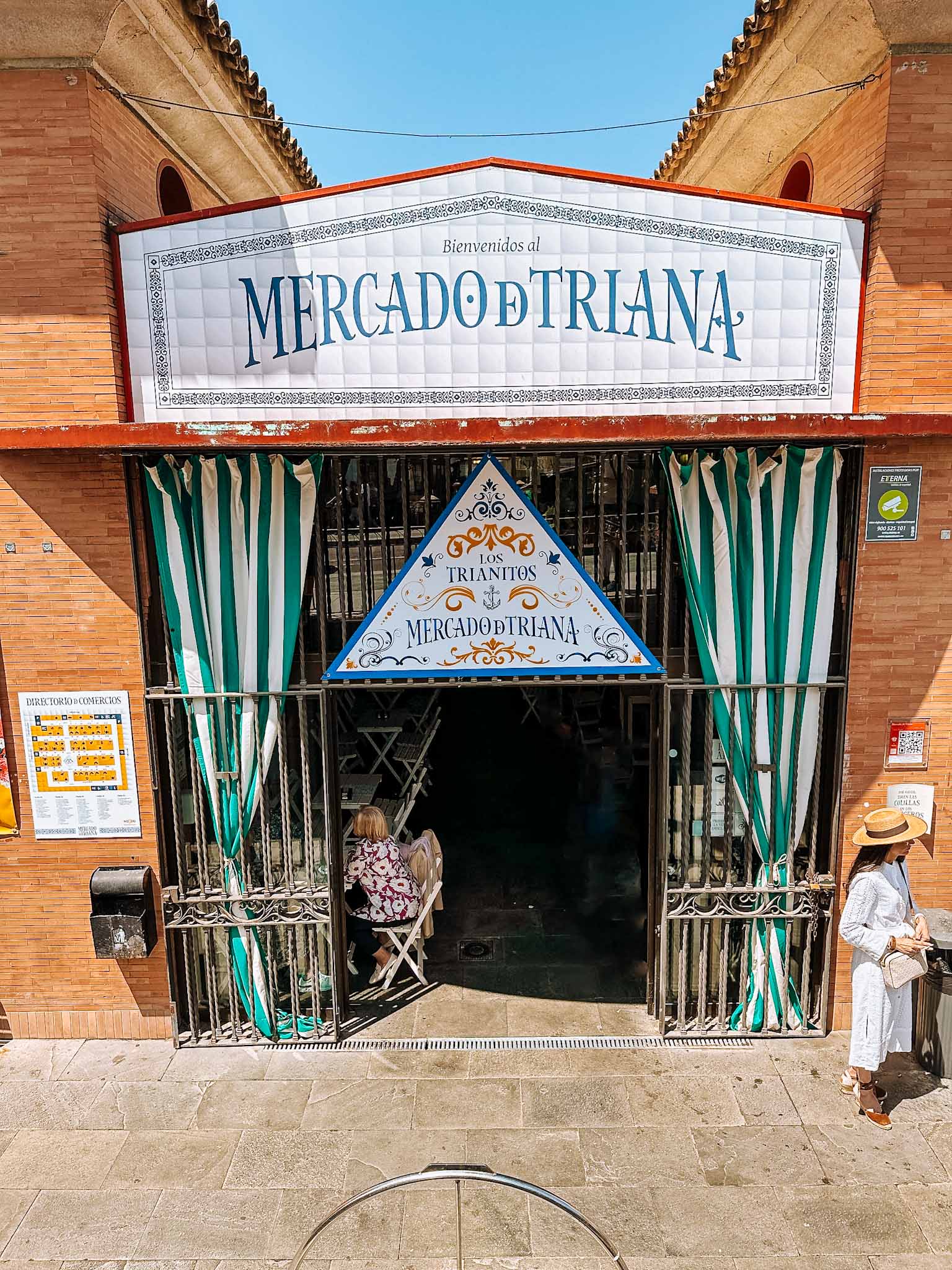
Visiting a local food market is one of the coolest ways to experience the real vibe of any Spanish city. And Seville has some great ones, each with its own character.
My favorite is Mercado de Triana. It sits right at the foot of the Puente de Triana on the Triana side of the river. Beautiful traditional market with fresh produce, fish, meats, cheeses, and tapas bars scattered around the edge.
Wild fact – the Triana market is built on top of the ruins of the Castle of San Jorge, which was actually the headquarters of the Spanish Inquisition for over 300 years. You can visit the underground ruins for free at the small museum inside the market.
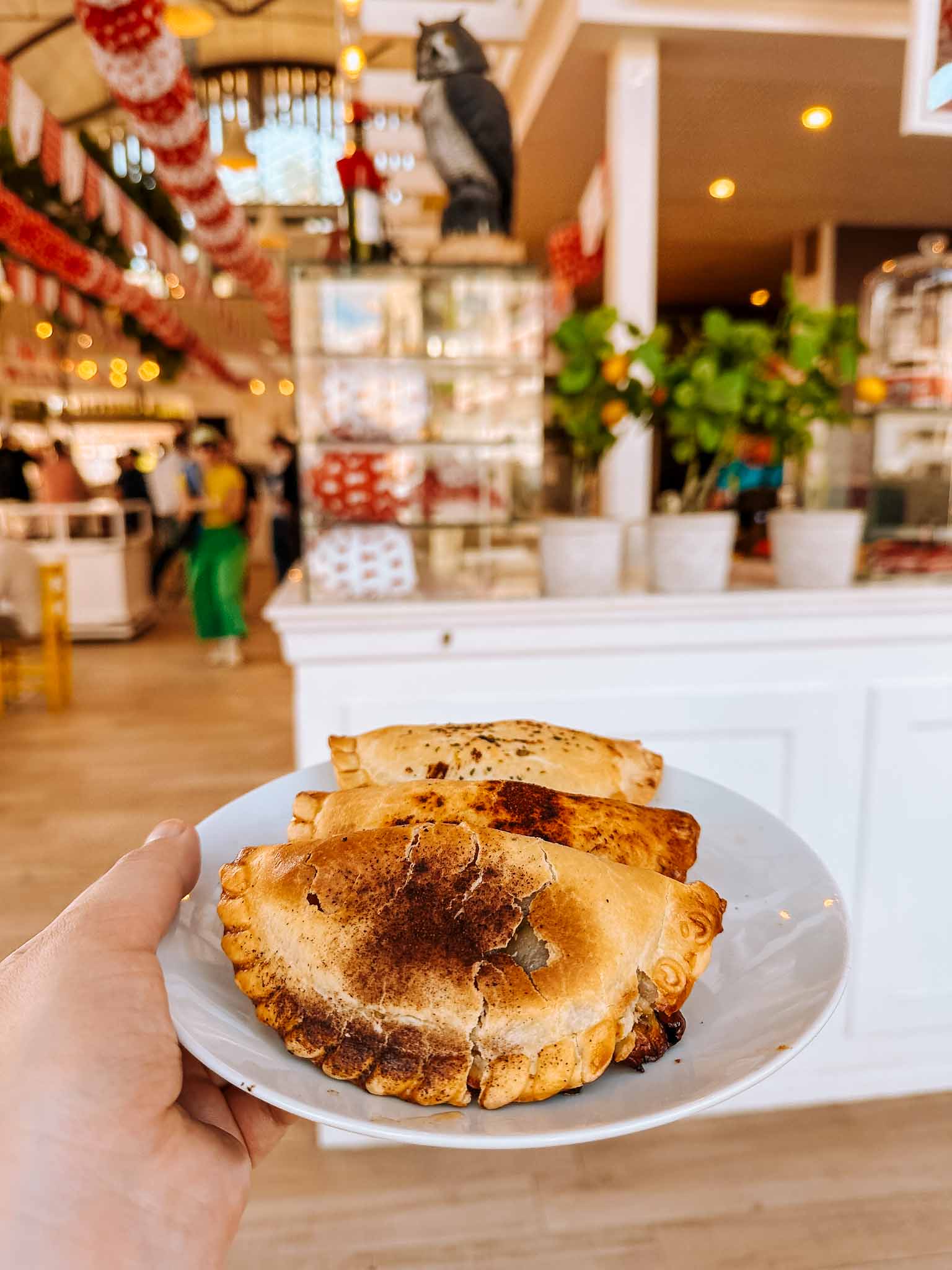
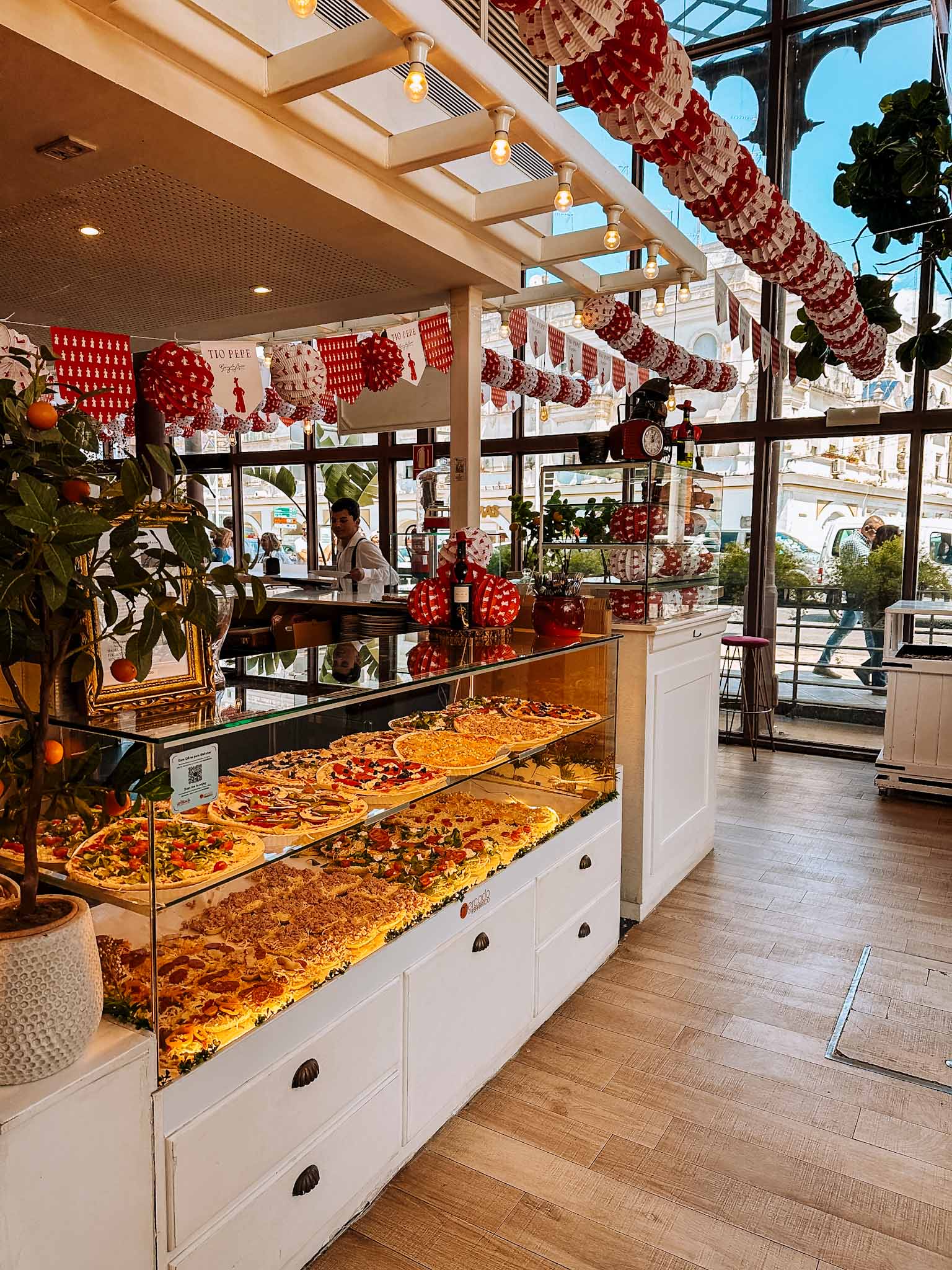
Second on my list is Mercado de Feria, in the Feria neighborhood. This one is really old-school Sevillian – no tourists, just locals doing their weekly shopping.
If you want to feel like you have gone back in time to a proper Andalusian market, this is the one.
The last one worth checking out is Mercado Lonja del Barranco, right on the riverfront. This is a modern gourmet food hall (opened in 2014) inside a beautiful 19th century iron and glass building.
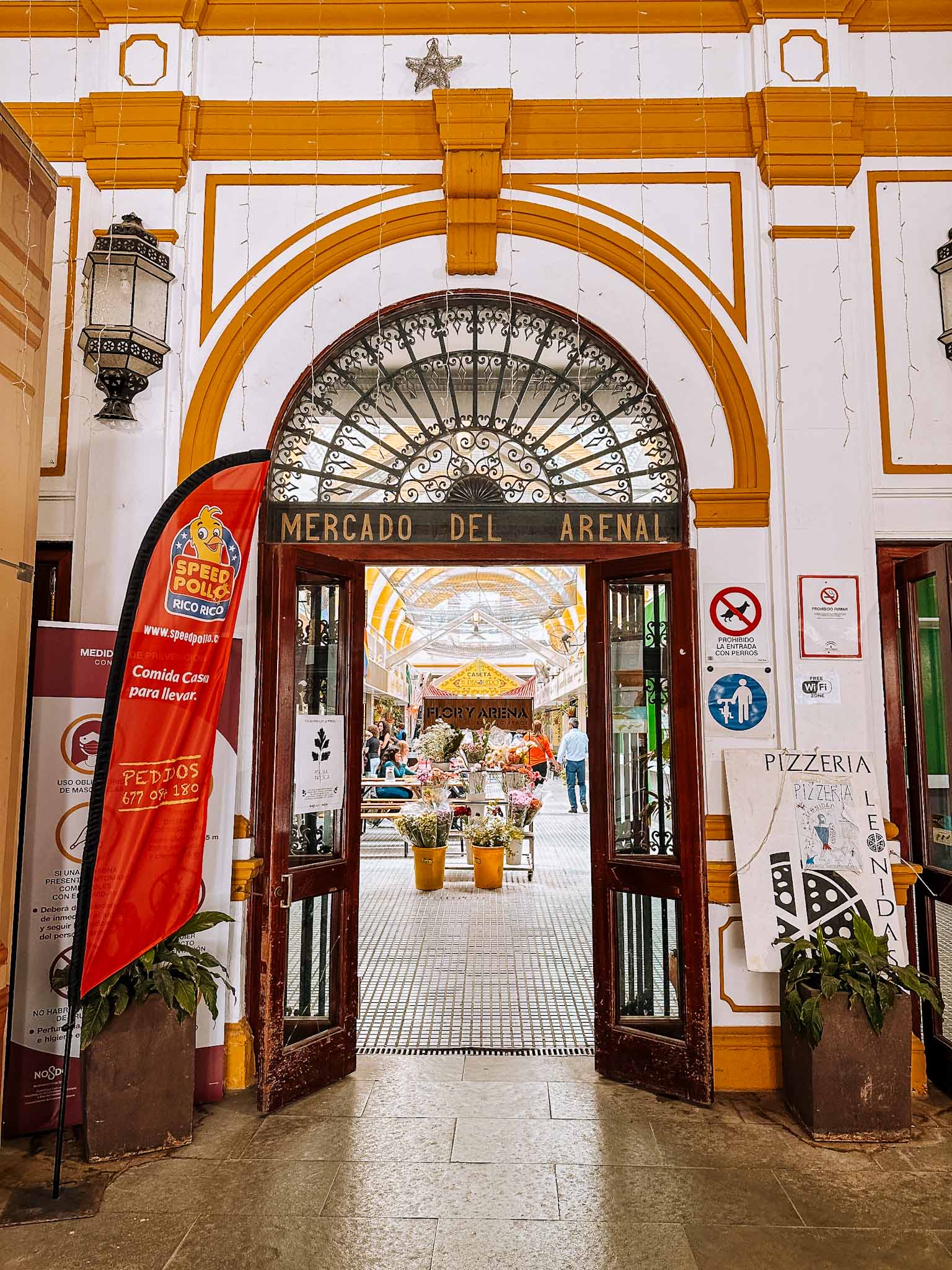
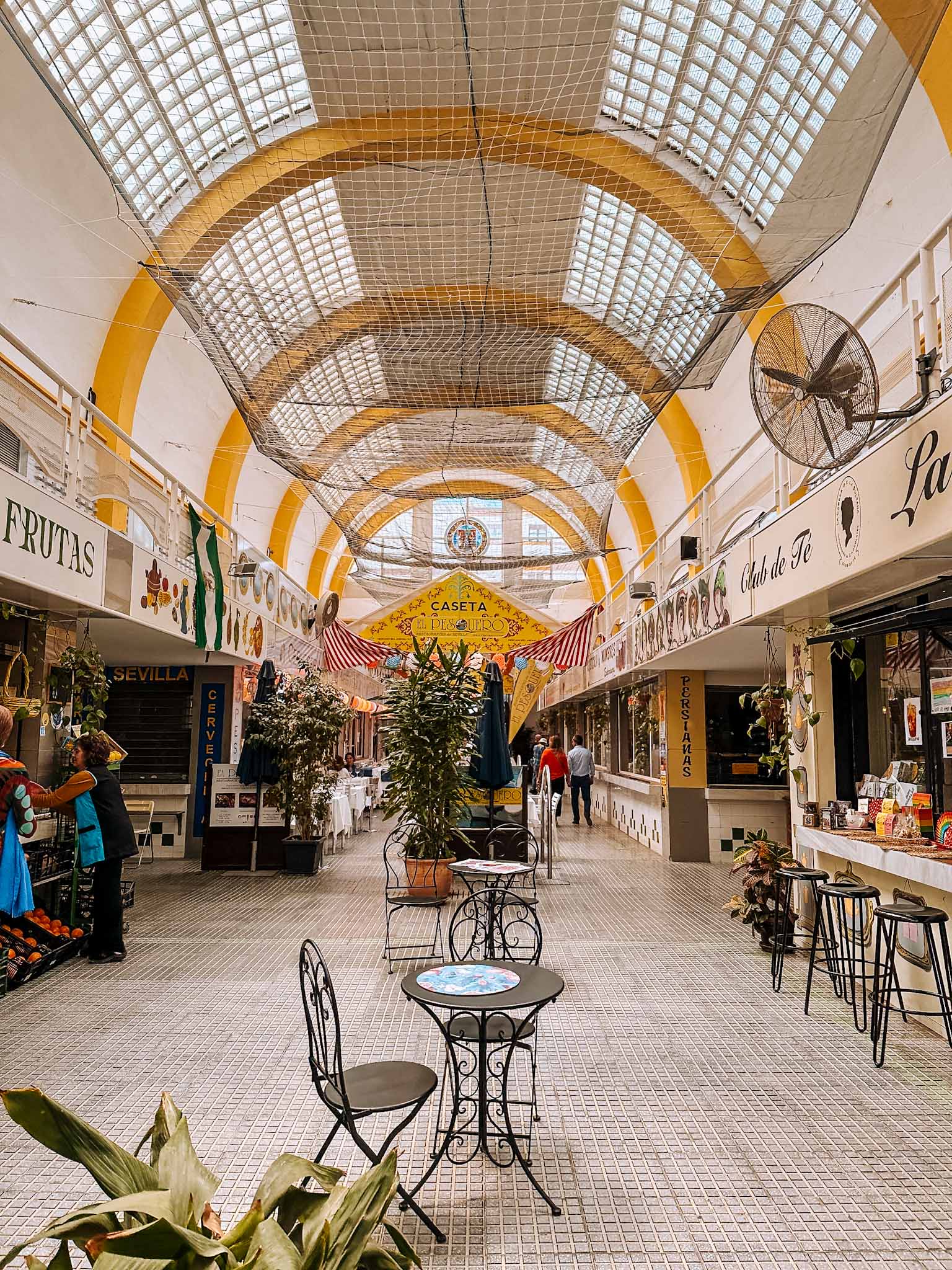
The Lonja del Barranco is not really a traditional market anymore – it is basically a foodie hall with stalls serving tapas, seafood, jamón, wine, and cocktails. Great for a fancy tapas dinner with river views.
Best times to visit – Triana and Feria are morning markets (open roughly 9 AM to 2 PM, closed Sundays), while Lonja del Barranco stays open into the evening.
Location: Mercado de Triana – Mercado de Feria – Mercado Lonja del Barranco
FAQs about hidden gems in Seville
What are the best hidden gems in Seville?
The Palacio de la Condesa de Lebrija (Roman mosaic floors), the Antiquarium under Setas (Roman ruins under a giant wooden mushroom), Plaza del Cabildo (a hidden semicircular square), and Convento de Santa Paula (nuns selling homemade jam) truly stand out.
Is Seville worth visiting for a few days?
Yes, absolutely. Seville has three UNESCO World Heritage sites (Cathedral, Real Alcázar, Archivo de Indias), one of the top art museums in Spain, and a whole layer of hidden gems most tourists never see.
What are some unusual things to do in Seville?
Visit the underground Antiquarium under Setas, buy homemade jam from nuns at Convento de Santa Paula, walk on 2,000-year-old Roman mosaics at Palacio de la Condesa de Lebrija, and have French pastries at Dulcería Manu Jara in Triana. All truly unique experiences.
Where can I see Roman ruins in Seville?
The Antiquarium under Setas de Sevilla (Metropol Parasol) has 5,000 square meters of Roman streets and mosaics preserved 5 meters underground. Casa de Salinas also has a 2nd century Roman mosaic as a courtyard floor. Both are in the old town.
How many days do you need in Seville?
Three days is a good minimum to cover the main sights (Cathedral, Alcázar, Plaza de España, Santa Cruz) plus a few hidden gems. Five days lets you really explore the neighborhoods (Triana, Macarena, Alameda) and do a day trip to Córdoba or Cádiz.
Read more about traveling in Andalusia
Seville is one of those cities that rewards slow exploration. The famous sights are amazing, but if you only stick to the Cathedral, Alcázar, and Plaza de España, you are missing half the magic. Truly.
What I loved most is how every corner of the old town has its own story. Roman ruins under a modern square, a nuns’ convent selling jam, a private palace with 2,000-year-old mosaic floors, a French patisserie hiding in Triana. So much variety in one city.
Take your time, get a little lost in the narrow streets of Santa Cruz, and you will find your own favorite corners. Happy exploring!
If you are planning a longer Andalusia trip, here are a few more guides from the region that might come in handy.
More Andalusia travel inspiration:
- 21 most beautiful white villages in Andalusia
- 27 hidden gems you should see in Andalusia
- 17 most beautiful castles in Andalusia, Spain
- Córdoba bucket list: 18 best things to do in Córdoba, Spain
- Seville, Spain: 19 awesome bucket list things to do in Seville
- 20 best things to do in Malaga, Spain (+locations & tips!)
Travel guides to nearby towns:
- Ronda bucket list: 15 best things to do in Ronda, Spain
- 12 best things to do in Cádiz, Western Europe’s oldest city
- Fairytale Frigiliana: 13 things to do in Frigiliana, Spain
- 10 things to do in Iznájar, Spain (flower village)
- 10 best things to do in Jerez de la Frontera, Spain
- 10 things to do in Tarifa, Spain’s southernmost town
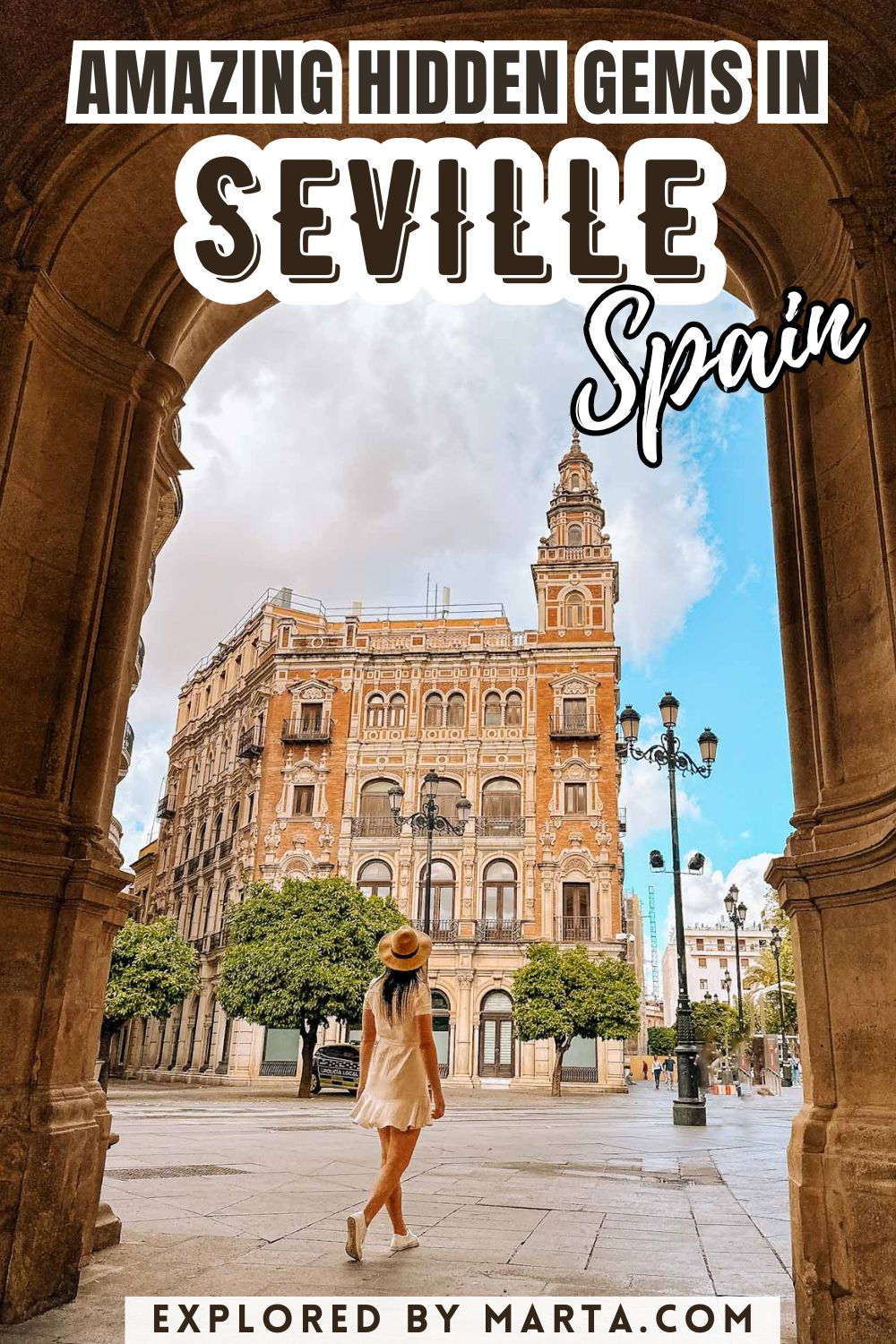
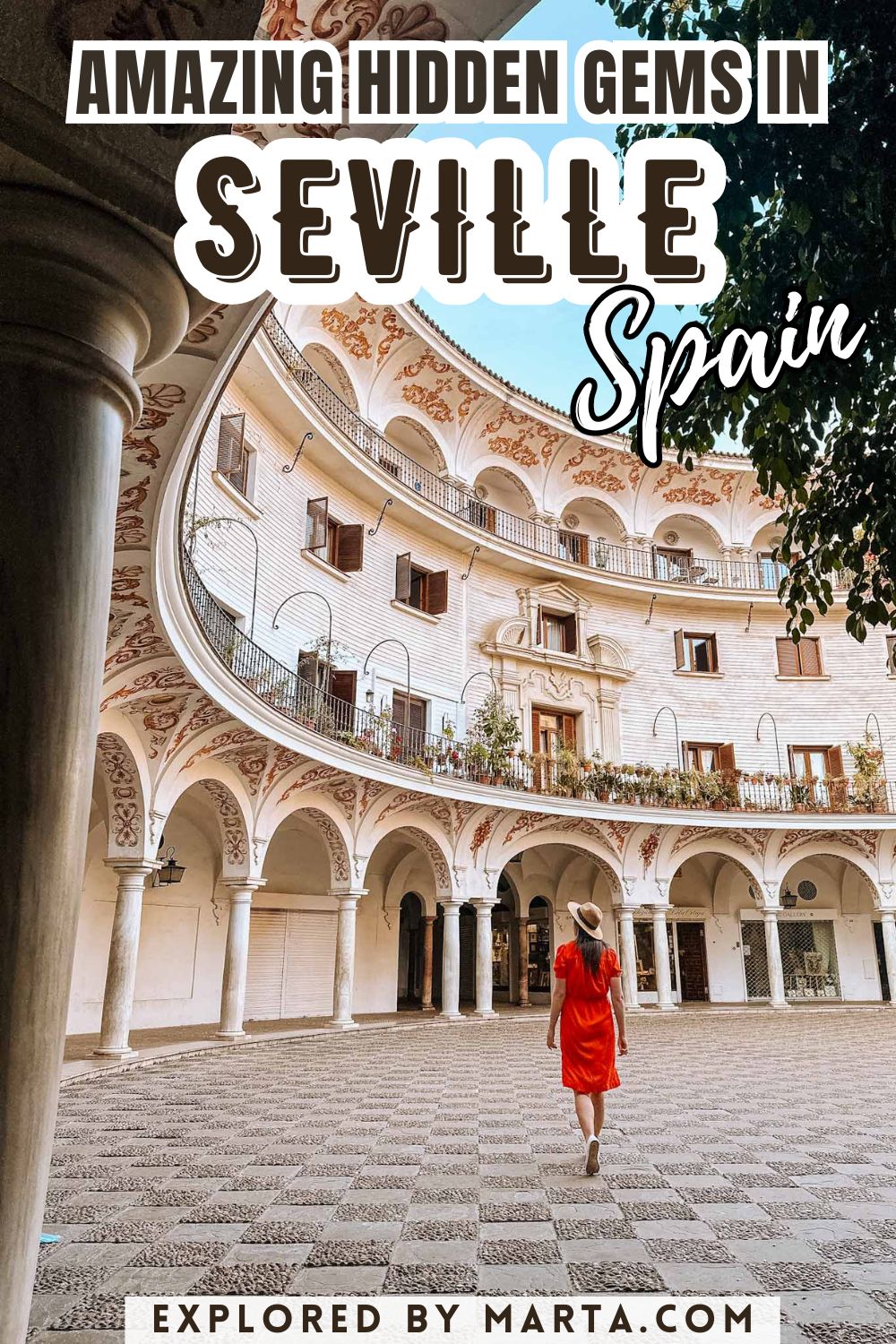
PIN FOR LATER!

This is lovely, thank you so much for sharing. I’ve been searching for hidden gems in Seville because I’m visiting it soon and your list is the one I like the most.
Thank you, Paula, for your kind words! Have an amazing trip to Seville! I loved it there!
Loved this guide!!
Thank you so much😍🥹
Yay! Enjoy your travels! 🙂