
10 best things to do in Jerez de la Frontera, Spain
This post may contain affiliate links. If you use these links to make a purchase or booking, I may earn a small commission at no extra cost to you! Thank you for your support!
The best things to do in Jerez de la Frontera are all about sherry bodegas, flamenco, Andalusian horses, historic streets, and beautiful old buildings. This is one of those places in Andalusia that often gets skipped, but I think that is exactly why I loved it.
Jerez de la Frontera feels more local and relaxed than some of the bigger Andalusian cities, but still has a strong identity. This is the birthplace of sherry, one of the important cities for flamenco, and a place where you can easily spend a full day exploring.
We visited Jerez during our Andalusia trip and spent our time touring dark sherry cellars, visiting the Alcázar, climbing the cathedral bell tower, and wandering around the historic center looking for the prettiest corners.
In this Jerez de la Frontera travel guide, you’ll find the best things to do in the city, along with photos, descriptions, exact locations, and a few honest tips from our visit. Happy exploring!
1. Tour a sherry bodega and do a sherry tasting

If there is one experience that feels very Jerez, it is this.
One of the best things to do in Jerez de la Frontera is to tour a sherry bodega and do a sherry tasting. This city is known as the birthplace of sherry, so even if you are not usually a wine person, this is the one experience that really belongs here.
And honestly, we are not massive sherry fans. But I still think visiting a bodega in Jerez was completely worth it.
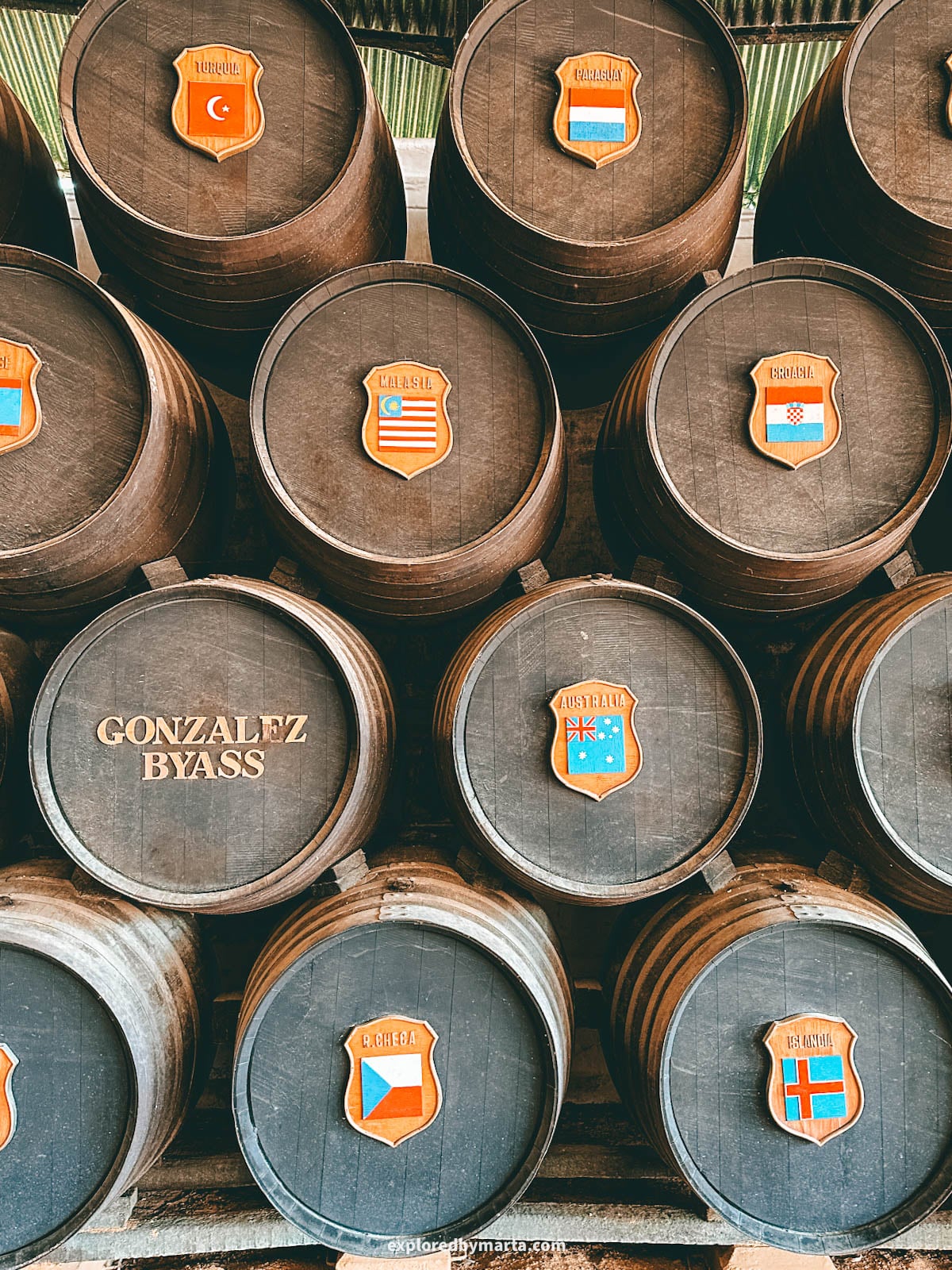
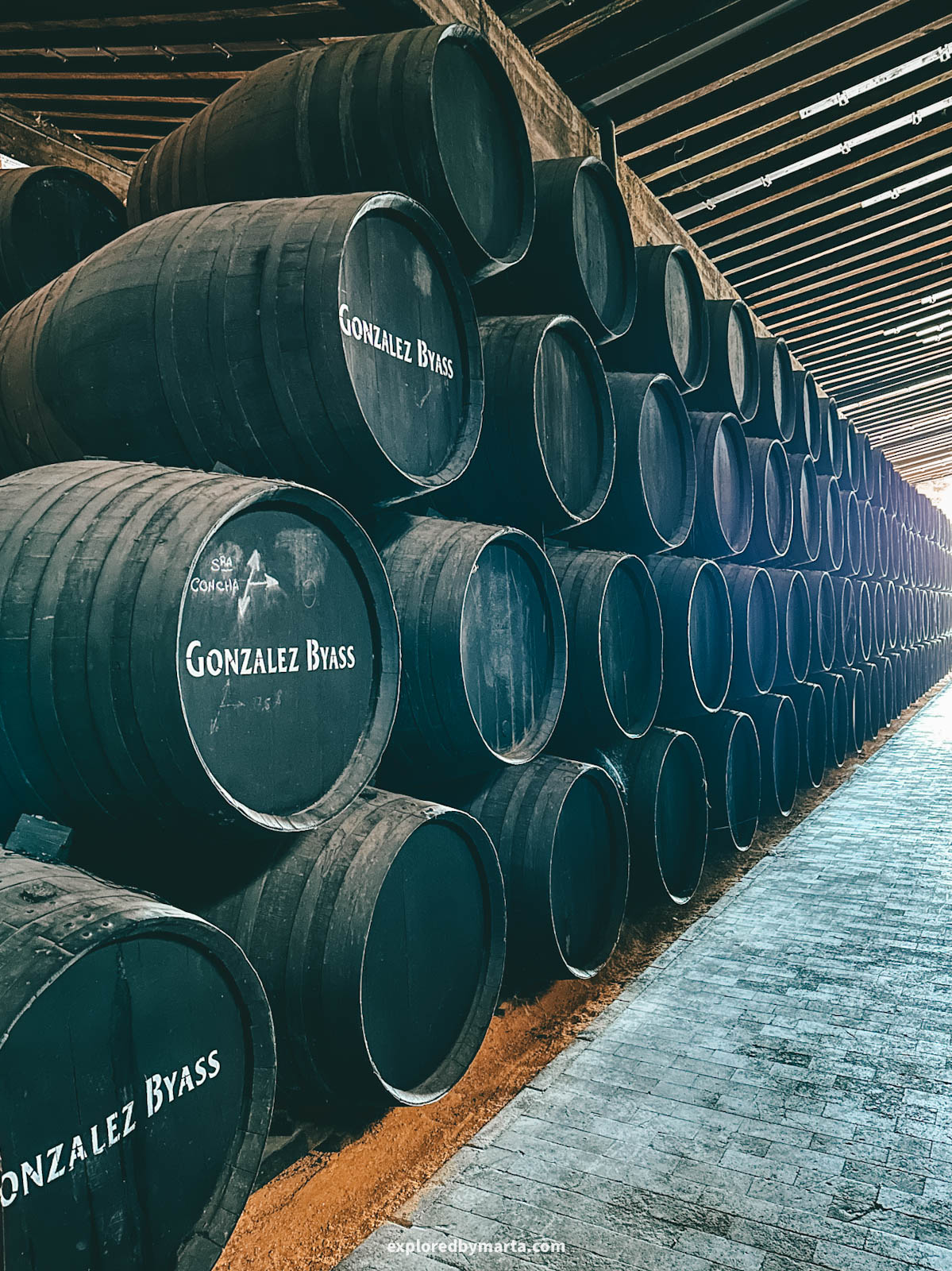
We chose Bodega Tio Pepe, also known as González Byass, because it is one of the most famous bodegas in Jerez de la Frontera, and it was close to where we were staying. Very professional decision-making, I know.
But it turned out to be such a good experience.
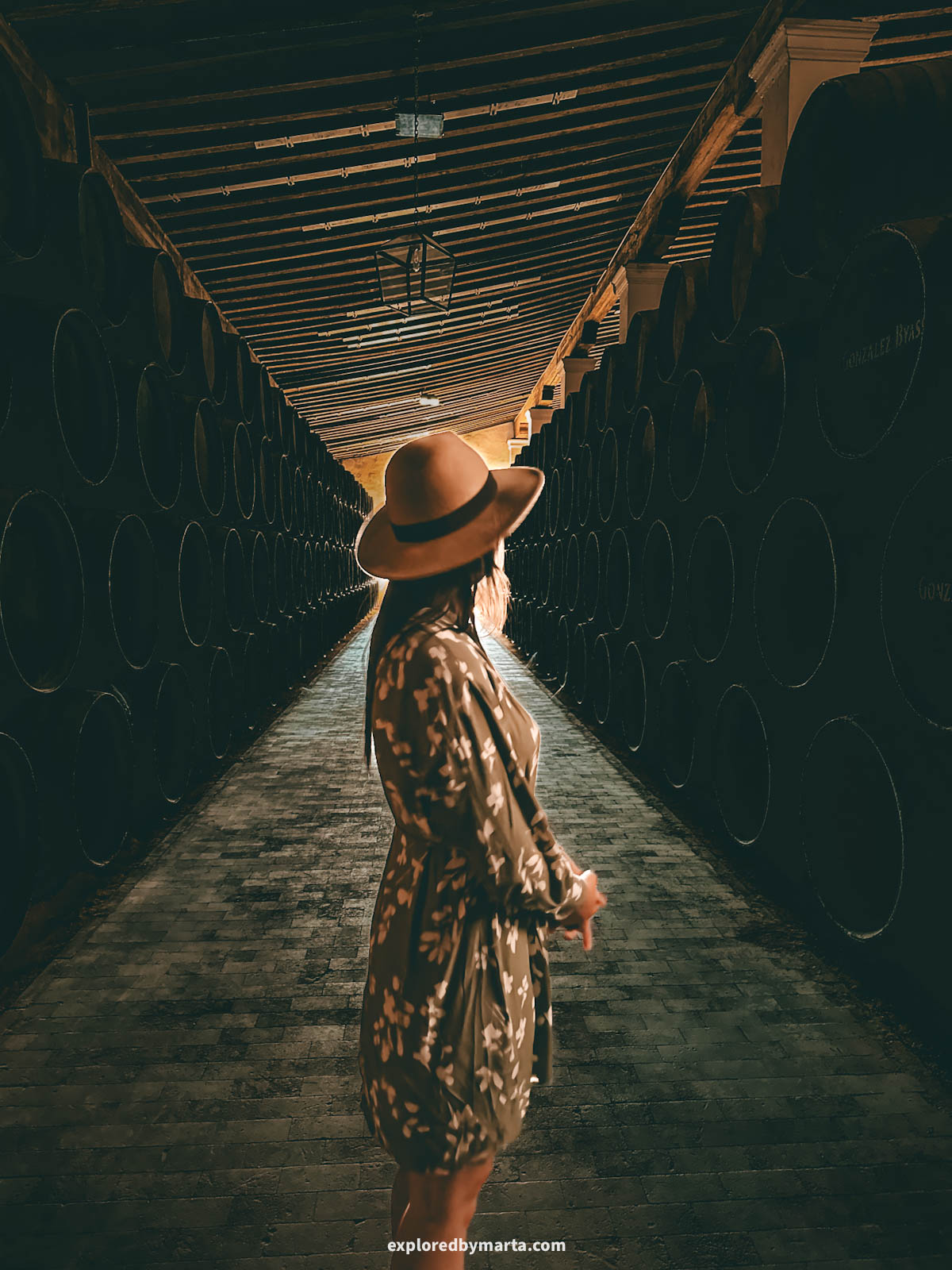
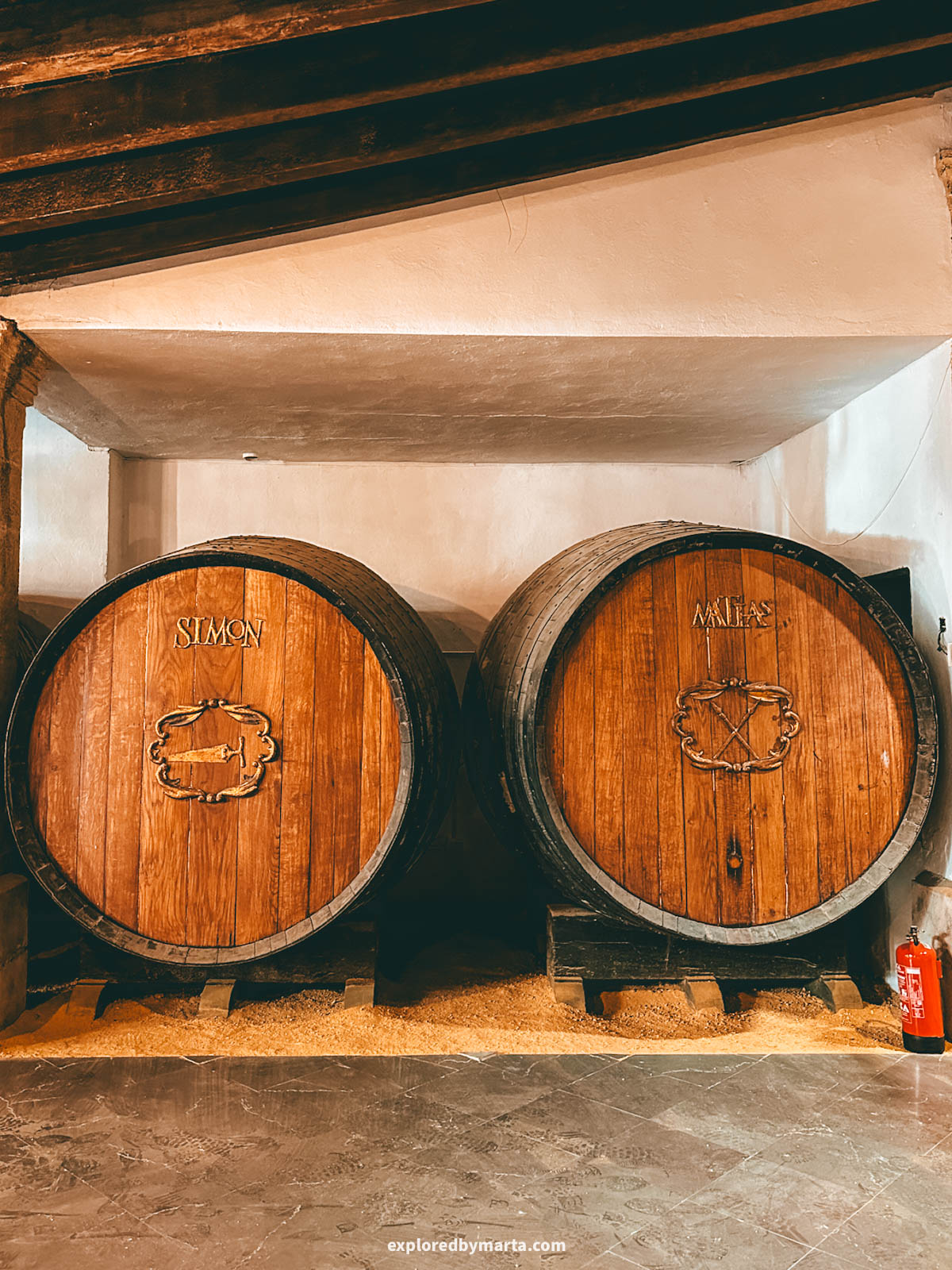
The best part of the tour was walking through the old storage cellars. They were dark, quiet, and filled with endless rows of oak barrels. The whole place had this rich, sweet smell of sherry, which made the visit feel much more special than I expected.
I also loved seeing the different sizes, shapes, and ages of the barrels. Some halls felt like they went on forever, with barrel after barrel lined up in perfect rows.
Even if you don’t know much about sherry, it is easy to appreciate how much history and work goes into every bottle. I honestly didn’t realize how long the whole process takes until we did the tour.
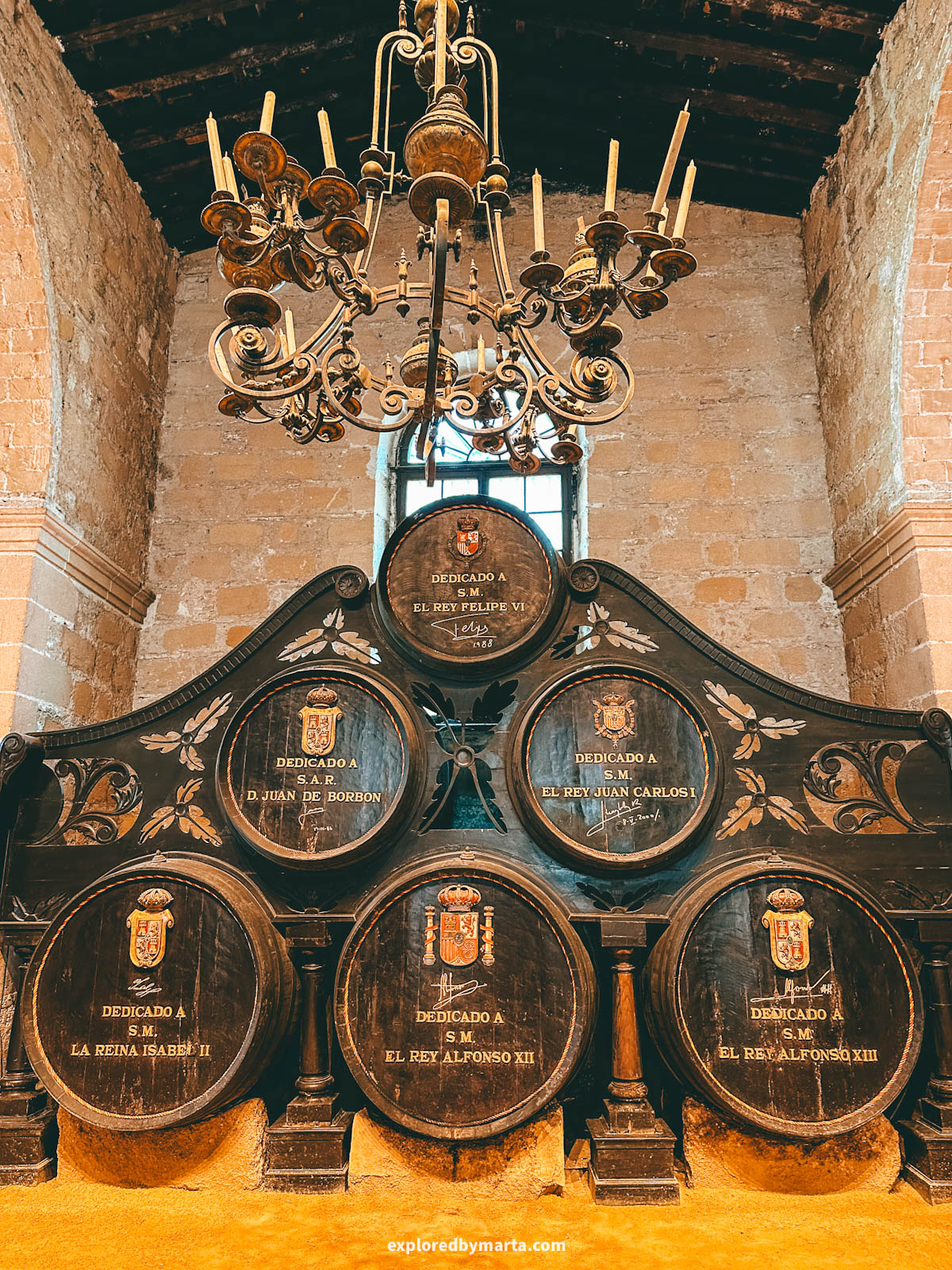
An interesting part was seeing the barrels signed by famous visitors. We spotted names from royalty, Hollywood, and all kinds of well-known people.
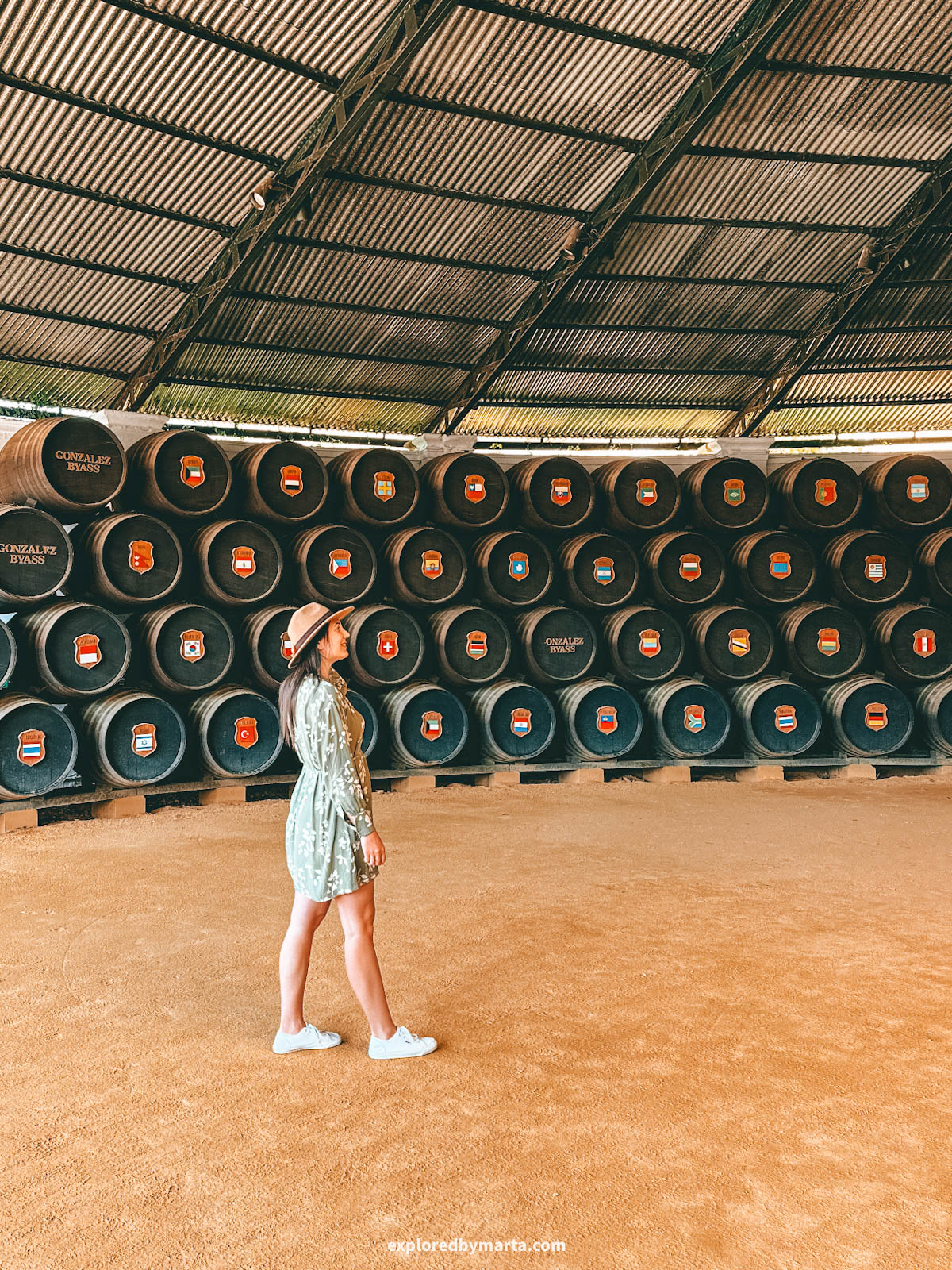
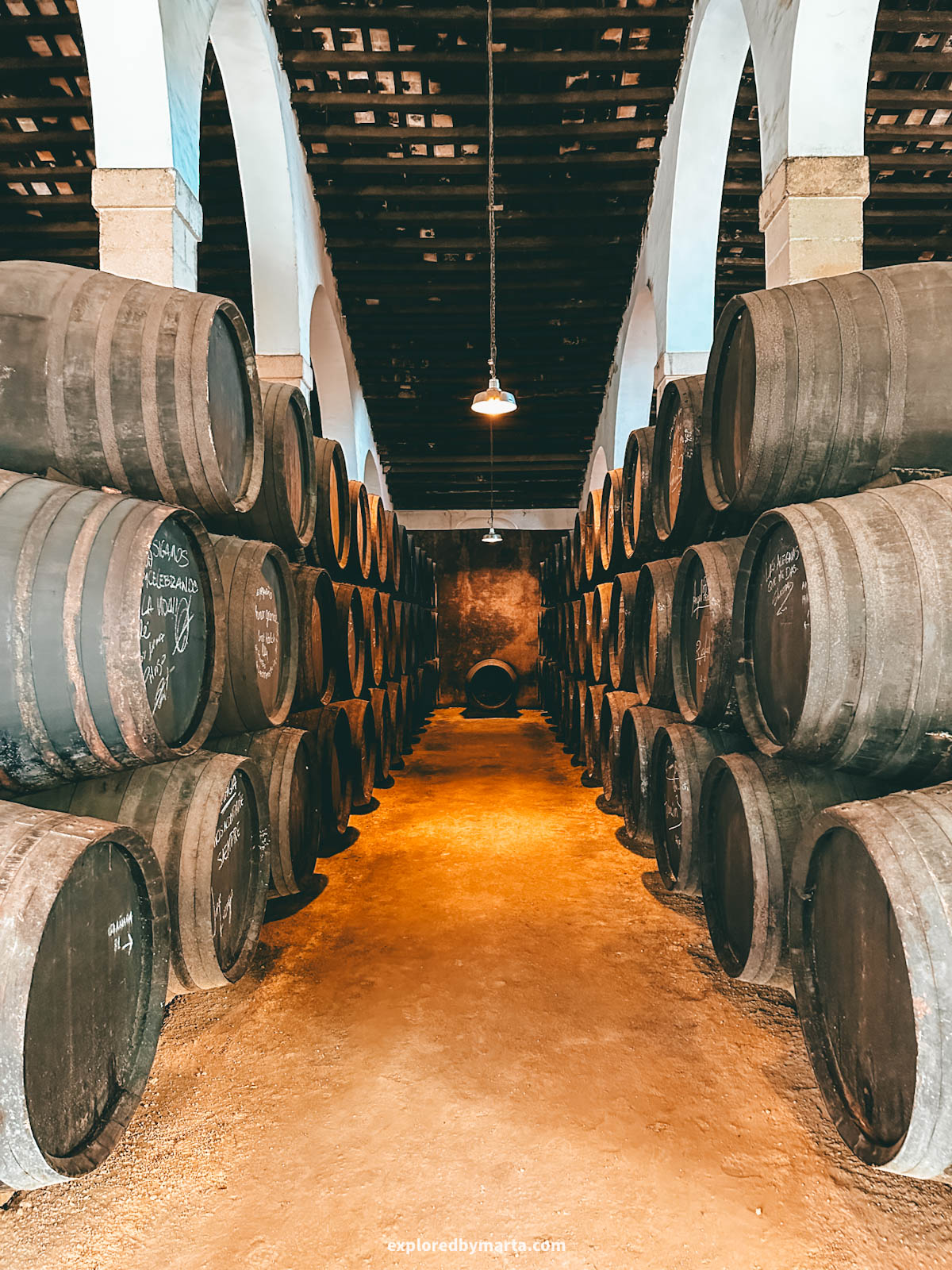
A bodega tour is also a good way to understand why sherry is such a big deal in Jerez de la Frontera. It is not just a local drink here – it is part of the city’s identity.
Did you know that the English word “sherry” actually comes from the word “Jerez”?
One thing to know: if you want to see Calle Ciegos, the famous vine-covered street, a tour at Bodega Tio Pepe is one of the easiest ways to access it because the street is now inside the bodega grounds.
Tio Pepe is not the only bodega you can visit in Jerez de la Frontera.
Other well-known options include Lustau, Fundador, Bodegas Tradición, Williams & Humbert, and Díez Mérito. I would just compare the tour times, tasting options, and location before booking.
We picked Tio Pepe because it was very central, easy to visit, and included access to Calle Ciegos, which was a big bonus for me.
Location: Bodega Tio Pepe
2. See Calle Ciegos, one of Spain’s most beautiful streets
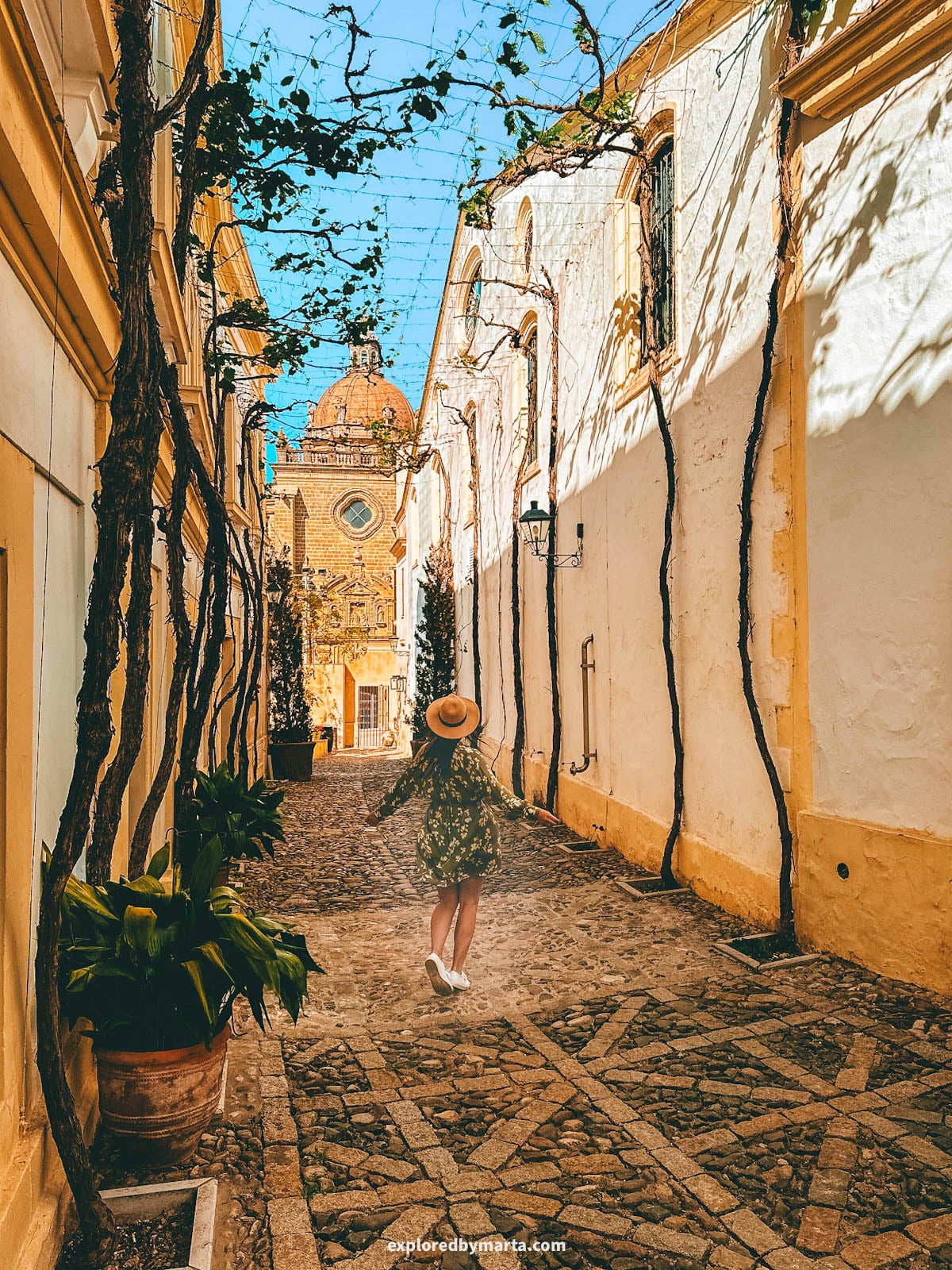
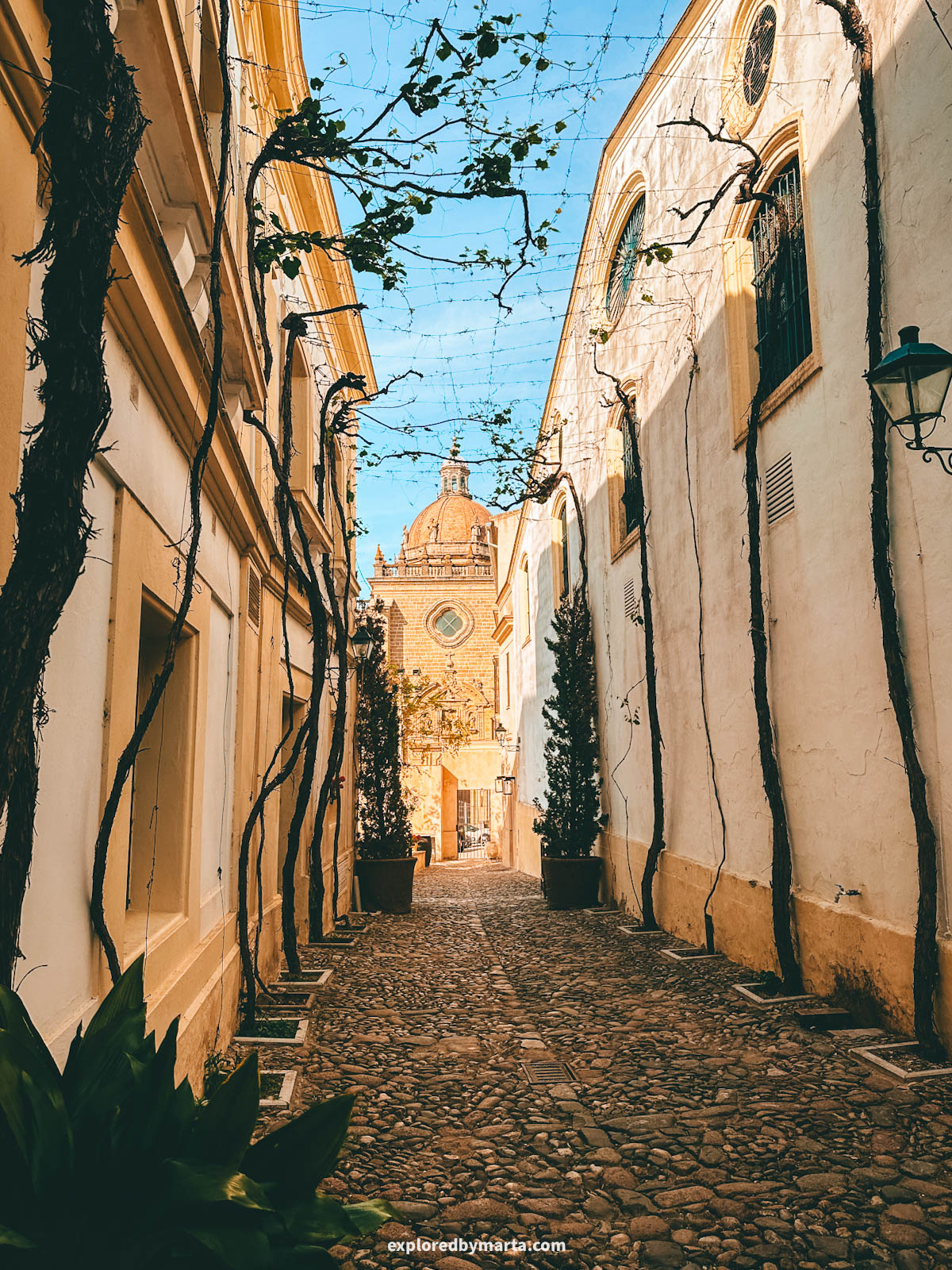
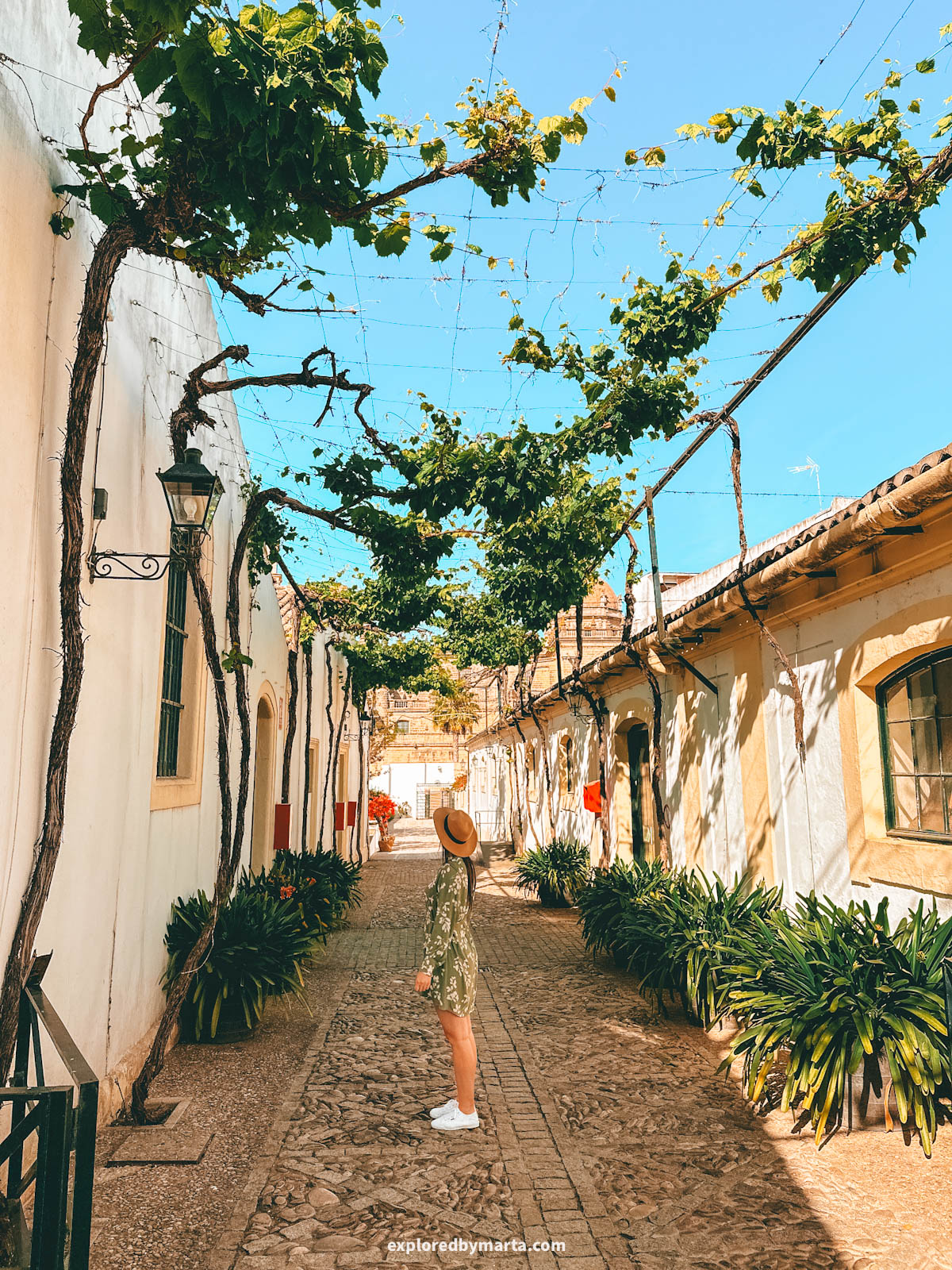
One of my favorite places in Jerez de la Frontera was Calle Ciegos, also known as the Alley of the Blind.
This narrow street is sometimes considered one of the most beautiful streets in Spain, and I can see why. It is covered with vines and has a view of the Cathedral of Jerez at the end – probably the best place for photos in Jerez de la Frontera!
When the leaves are fully grown, around late spring or summer, the street turns into a green tunnel. We visited Jerez in spring, so the vines were not fully grown yet. A tiny bit disappointing? Yes. Still beautiful? Also yes.
Even without the full green tunnel effect, Calle Ciegos was one of the most special corners we saw in Jerez de la Frontera. The view toward the cathedral at the end of the street makes it such a unique spot.
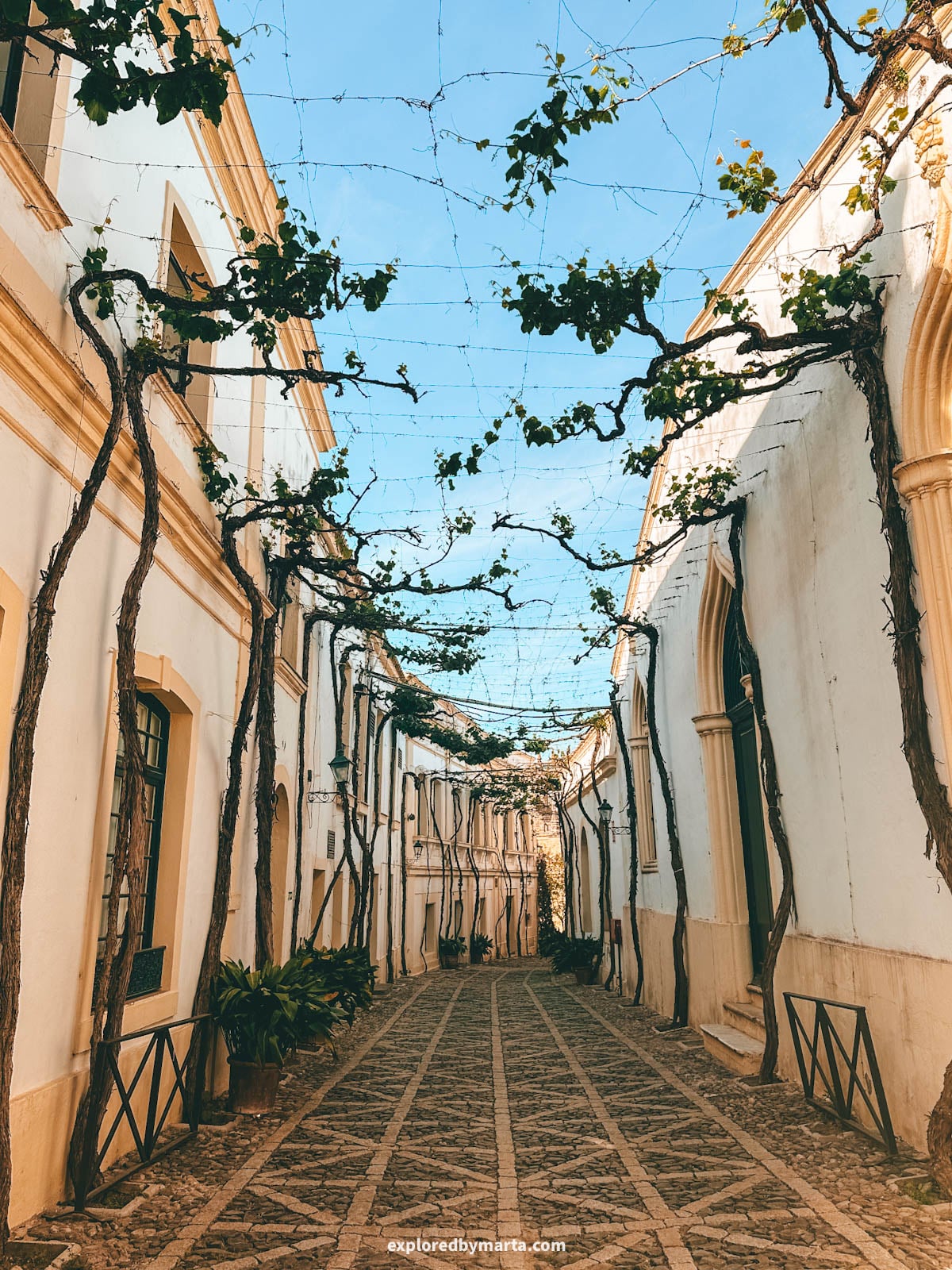
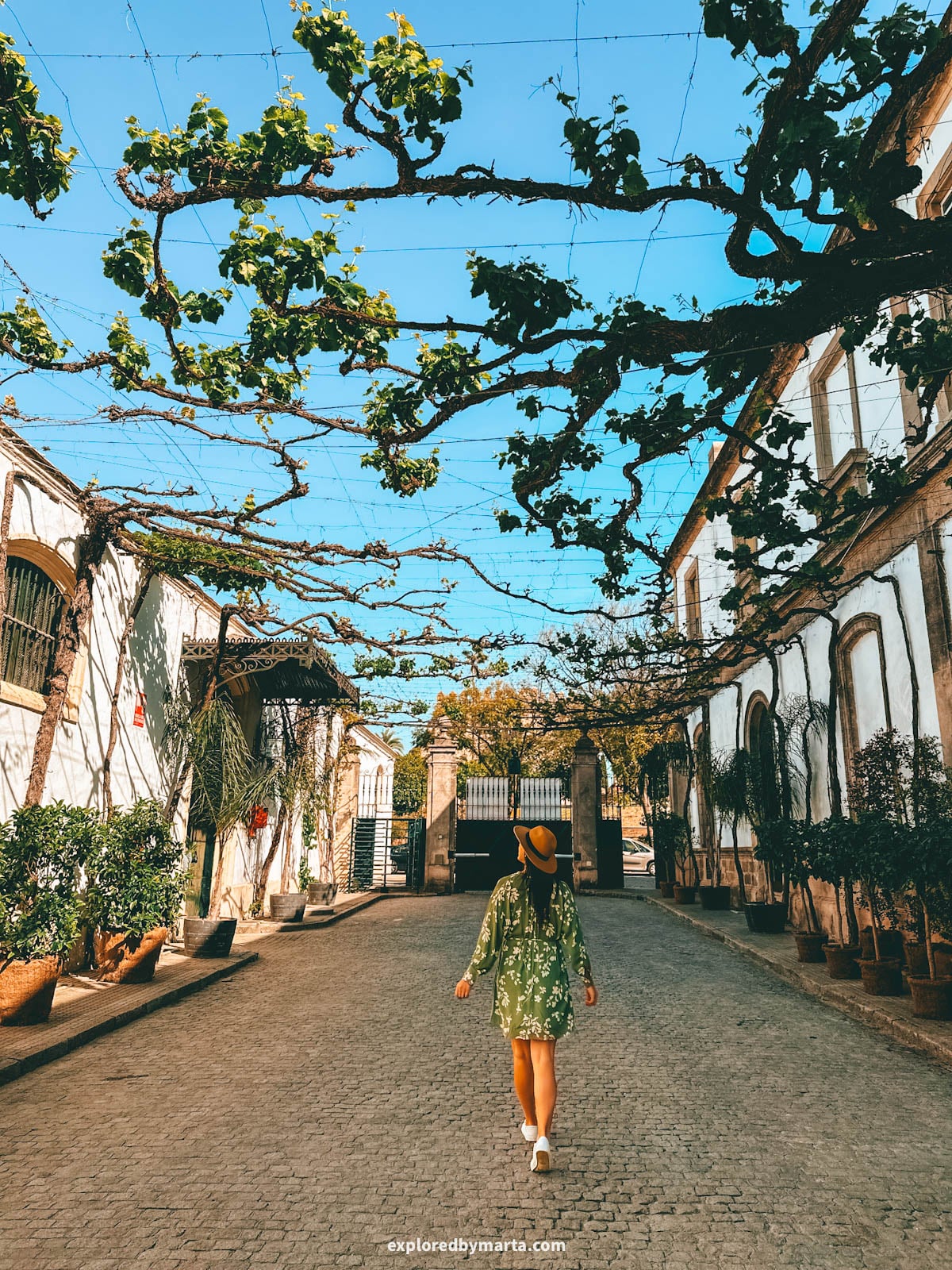
Calle Ciegos is not a public street anymore. It used to be a normal street and, from what I learned, it got its name because poor and blind people once gathered here to ask for money from people walking to church.
Today, Calle Ciegos is part of the González Byass / Tio Pepe bodega grounds. So you can’t just walk in from the city and visit whenever you want.
We visited Calle Ciegos during our Tio Pepe bodega tour. We crossed it a few times as part of the route, and after the tasting, we came back again to take some photos because obviously this is one of the prettiest photo spots in Jerez de la Frontera. 🤩
Another possible way to see Calle Ciegos is by booking a table at Restaurante Pedro Nolasco, which is located right on this famous street inside the Tio Pepe bodega grounds. Hotel Bodega Tio Pepe is also part of the same complex, so hotel guests may have easier access too.
I would say Calle Ciegos makes the bodega tour even more worth it. You get the historic sherry cellars and one of the most beautiful hidden streets in Jerez in the same visit.
Location: Calle Ciegos
3. Explore the Alcázar de Jerez
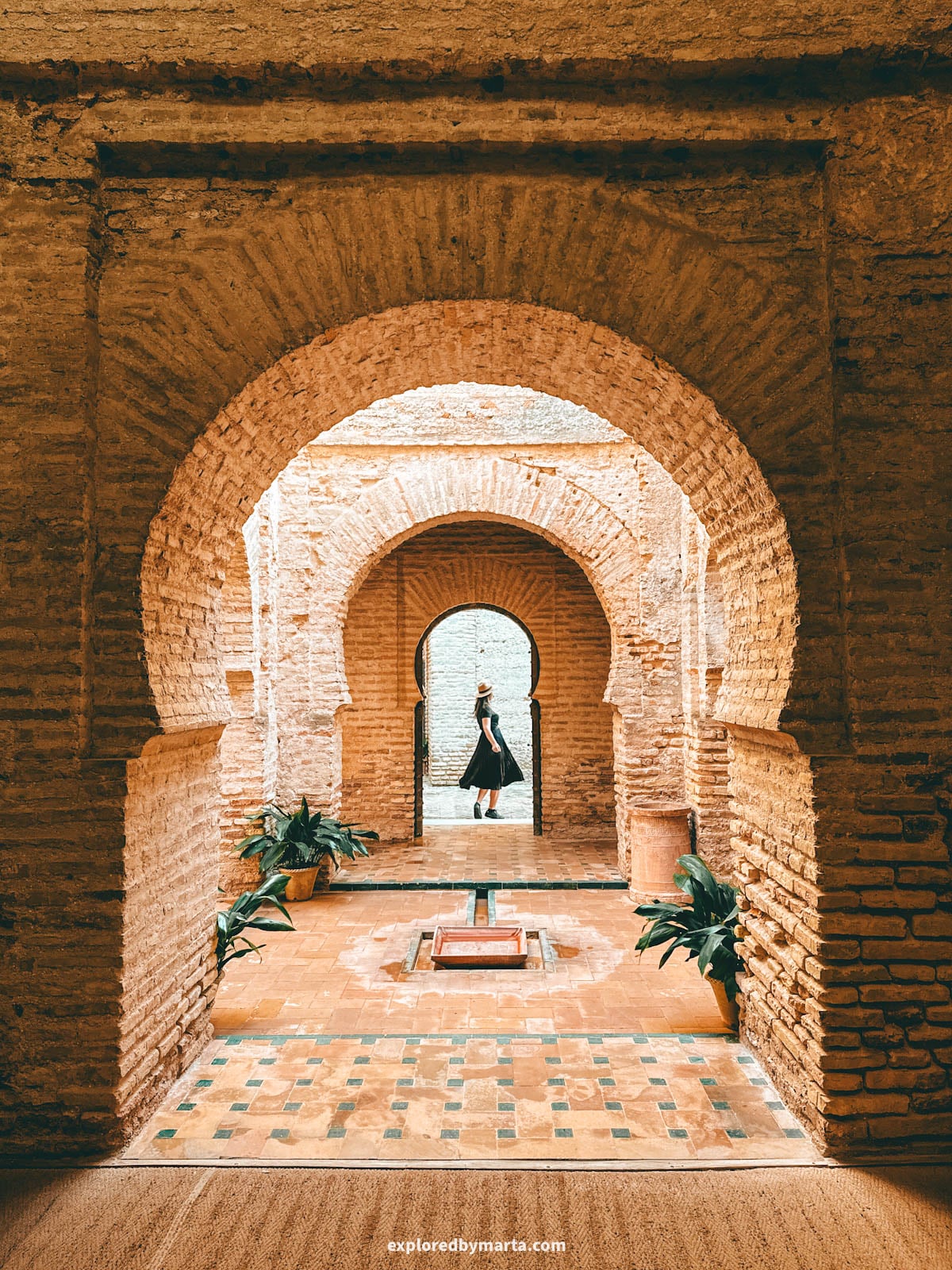
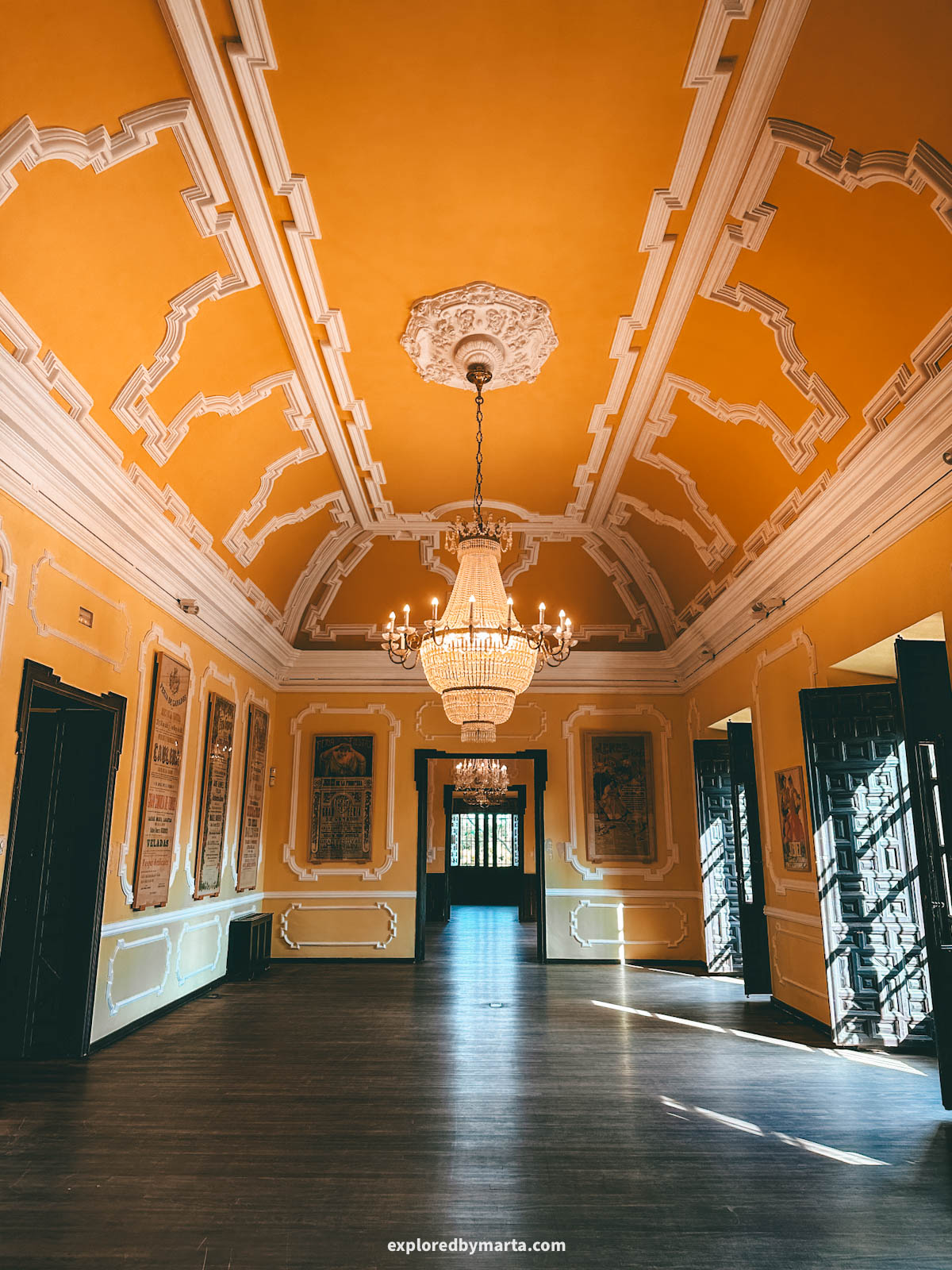
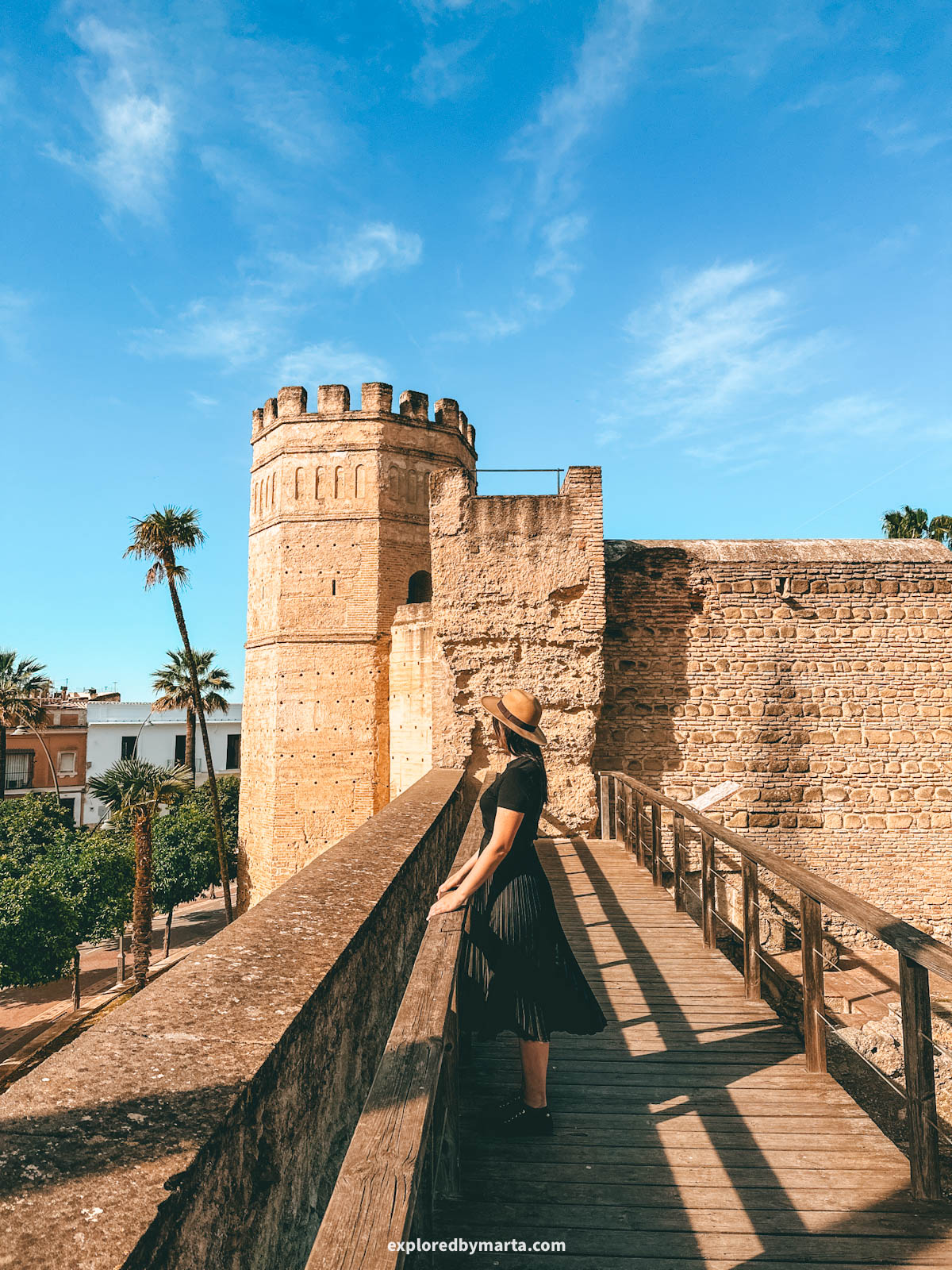
One of the best historic places to visit in Jerez de la Frontera is the Alcázar de Jerez. This old fortified complex sits right in the historic center and includes defensive walls, gardens, Arab baths, a small mosque, a tower, and even an old olive oil mill.
Basically, it is one of those places where you think, “okay, I’ll just have a quick look,” and then somehow spend much longer inside.
We bought our tickets at the entrance and spent around 1 to 2 hours walking around the complex. The ticket was only 5 EUR when we visited, which felt like a pretty good deal, especially because there is more to see inside than you might expect.
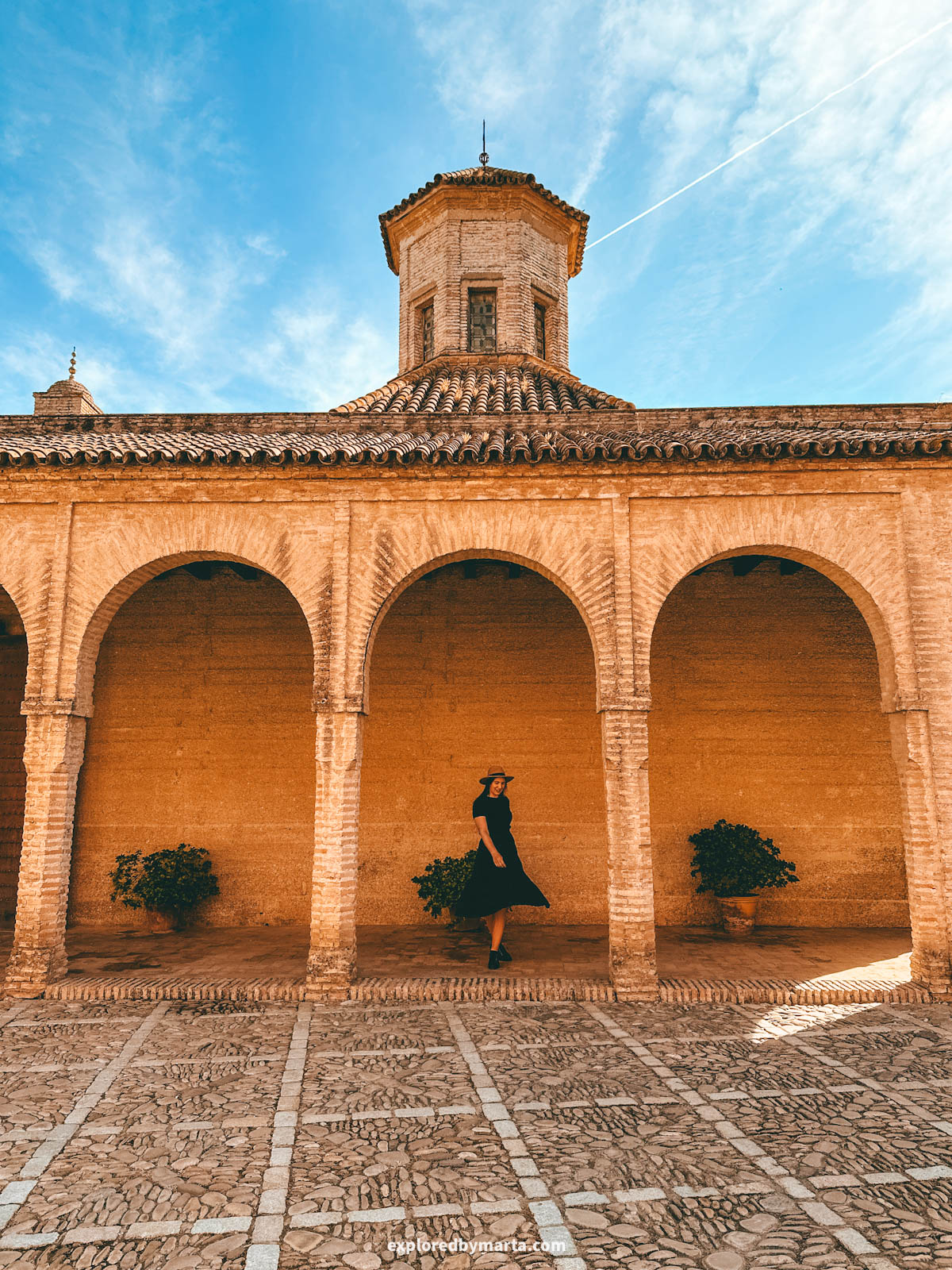
My favorite part was the small mosque. It is no longer used as a mosque, but the architecture is beautiful, especially the horseshoe-shaped arches. I always love seeing these layers of history in Andalusia, with Islamic and Christian heritage right next to each other.
Another highlight is the tower, where you can climb up for views over Jerez de la Frontera.
Right next to the tower, you’ll also find the Arab baths. If you haven’t seen historic Arab baths before, they are worth a look because it is interesting to see how the bathing system worked centuries ago.
One thing that surprised me more than expected was the old olive oil mill. The mechanism is huge, and I found it so interesting to imagine how people created and used these tools so long ago. Not exactly what I expected to remember from the Alcázar, but here we are.
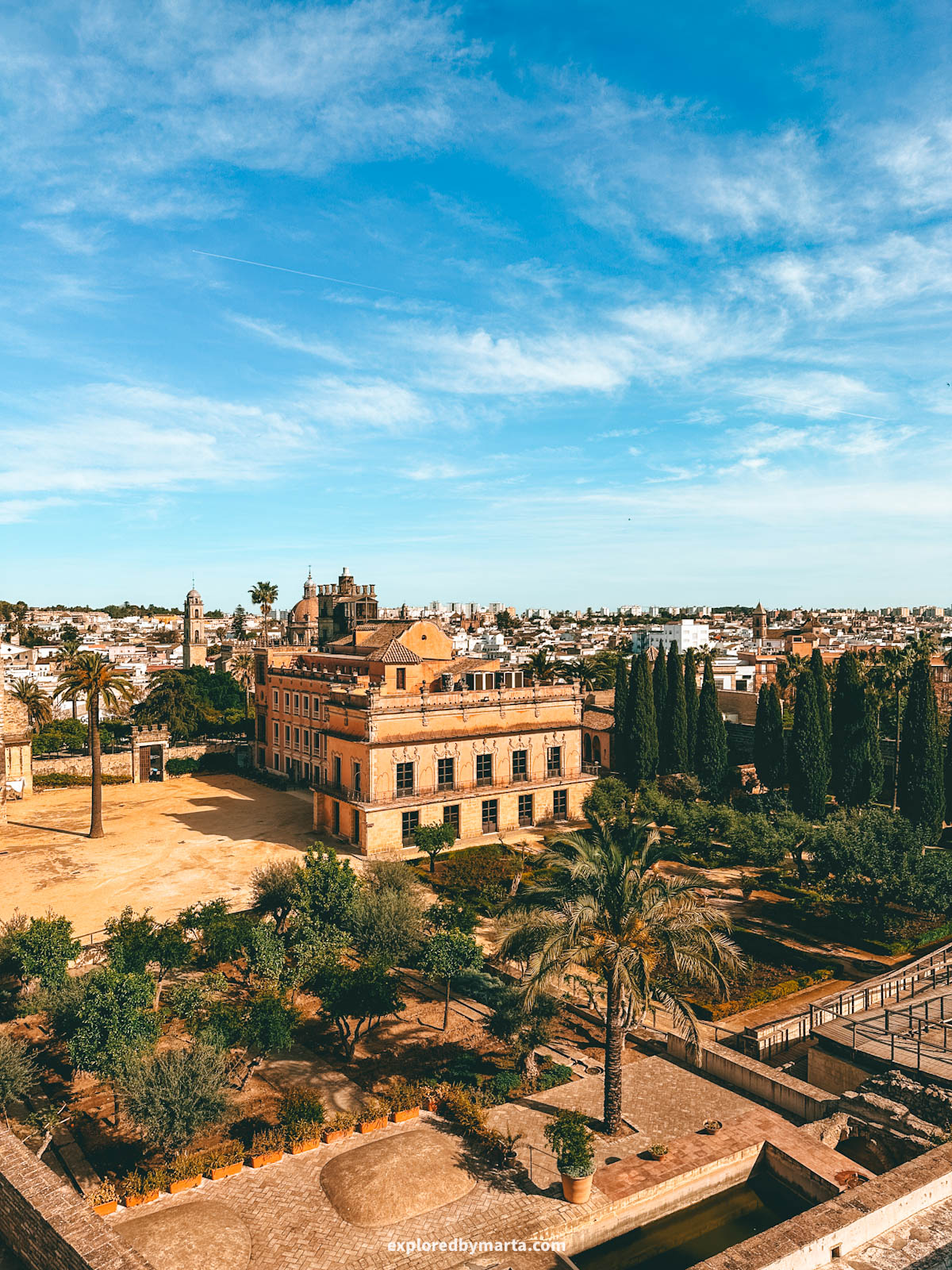
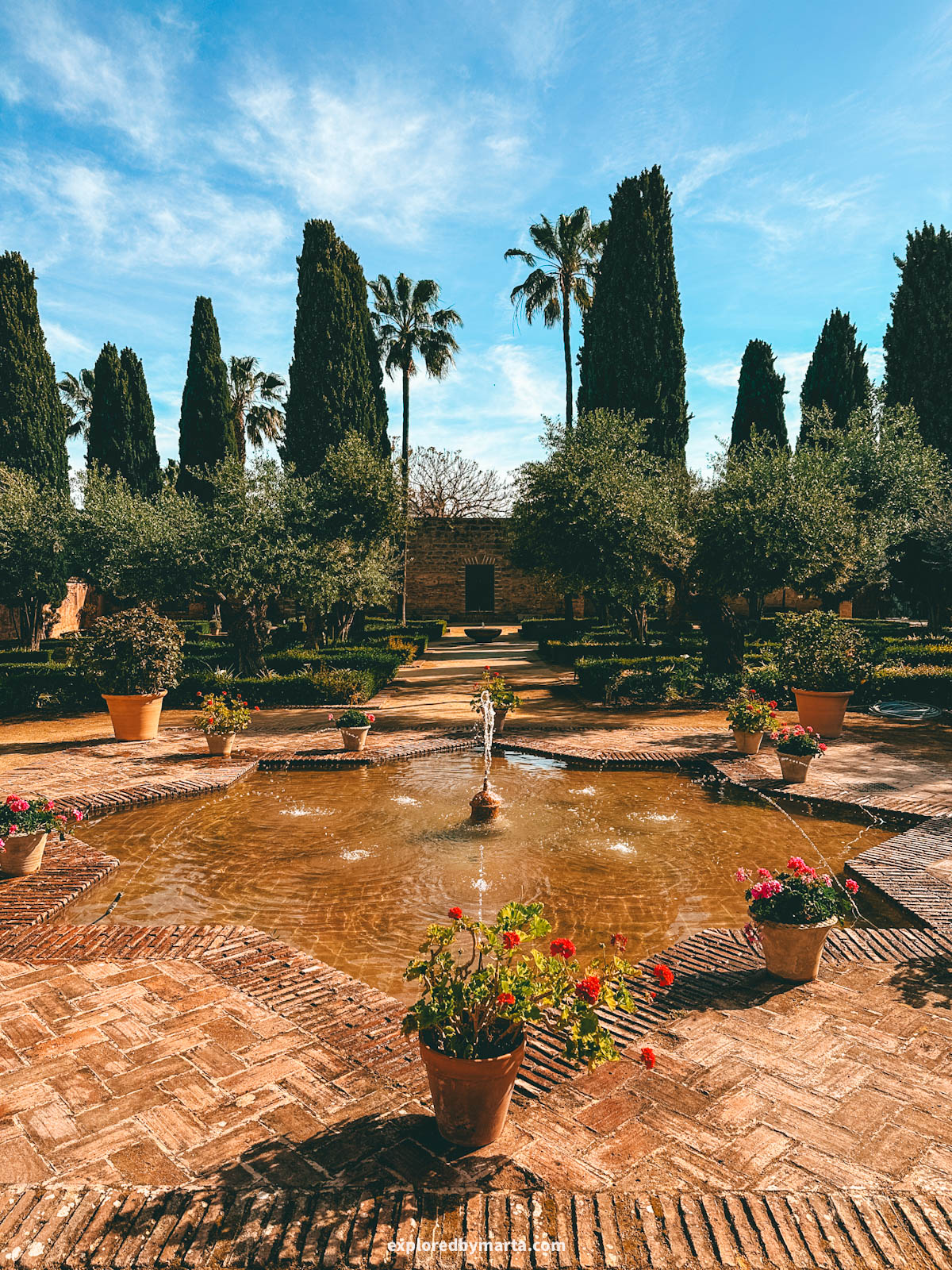
The gardens are also a nice break, especially if you are visiting on a warm day. There are shaded corners, trees, flowers, fountains, and quiet paths where you can relax before heading back into the old town.
I don’t think the Alcázar de Jerez competes with the famous Royal Alcázar in Seville or the Alhambra in Granada, but that is not really the point. It is smaller, calmer, much cheaper, and still very much worth visiting if you are already in Jerez.
Tip! Visit the Alcázar earlier in the day if you can. A lot of the complex is outdoors, so it is much more enjoyable before the strongest midday heat. It gets pretttyyy hot! 🔥
Location: Alcázar de Jerez de la Frontera
4. Climb the bell tower and visit the Cathedral of Jerez
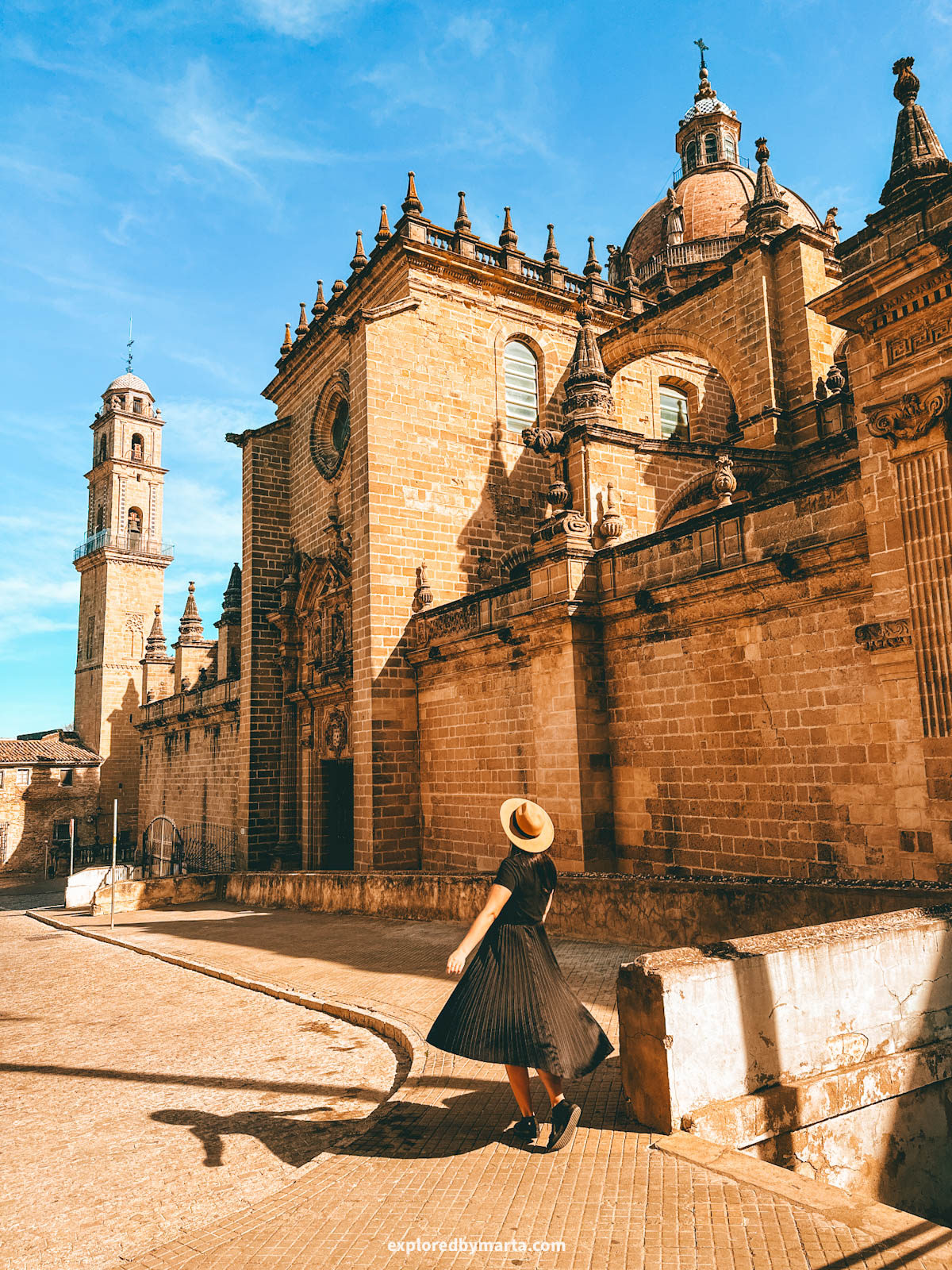
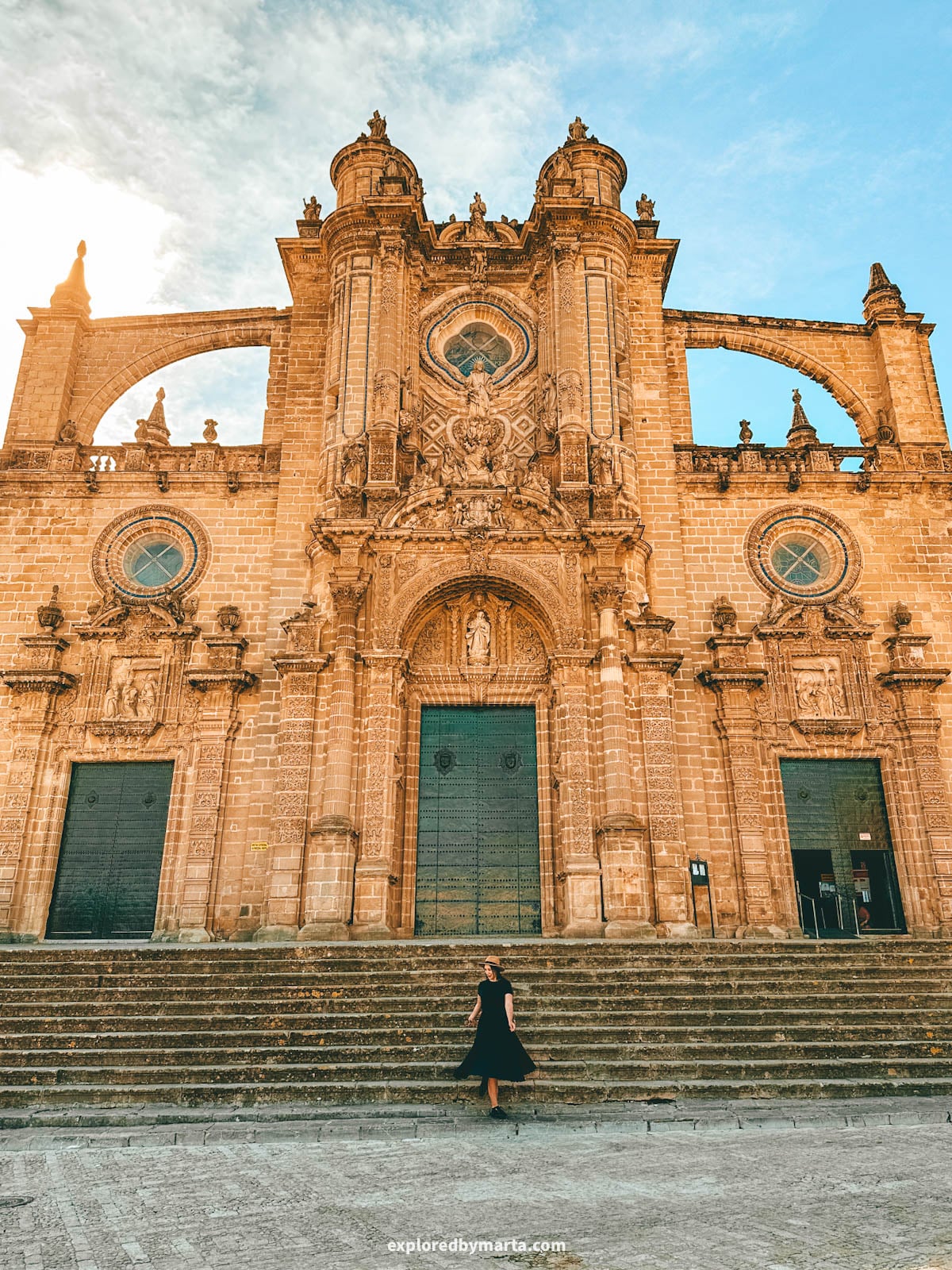
The Cathedral of Jerez de la Frontera is one of those buildings you keep noticing while walking around the old town. It is big, dramatic, and kind of hard to miss.
The cathedral was built between the 17th and 18th centuries and mixes Baroque, Gothic, and Neoclassical styles. I know architecture labels can sound a little dry, but here you can actually see why the building feels so grand from every side.
Before going inside, I’d definitely walk around the whole cathedral. We circled it more than once because the dome, side streets, roofline, and stone details all look different depending on where you stand.
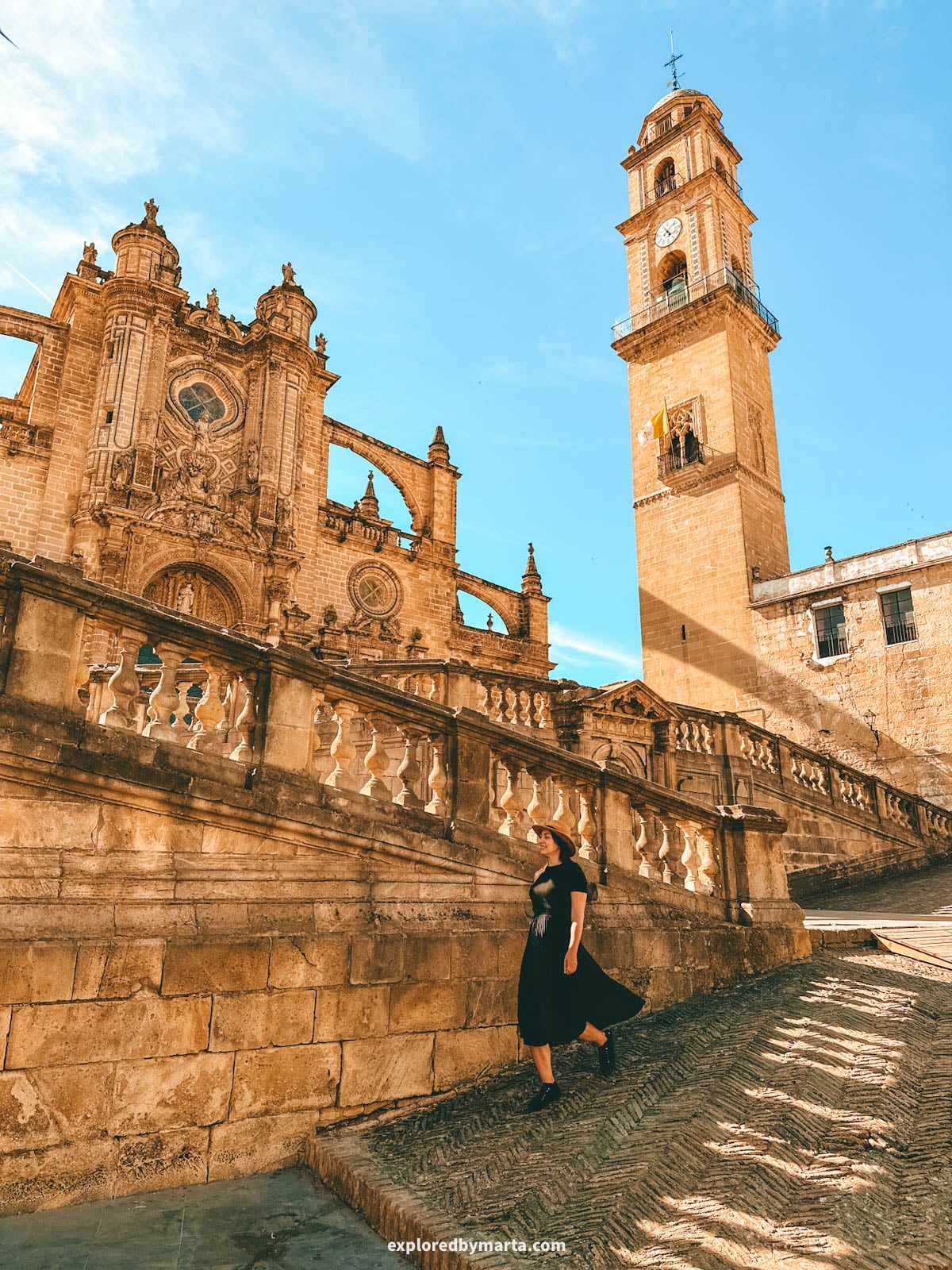
One of the most interesting things about the Cathedral of Jerez is its separate bell tower. It stands a few meters away from the church, which gives the whole cathedral area a very distinct look.
The tower was built on the site of a former mosque minaret – another reminder of the layered history you see all over Andalusia.
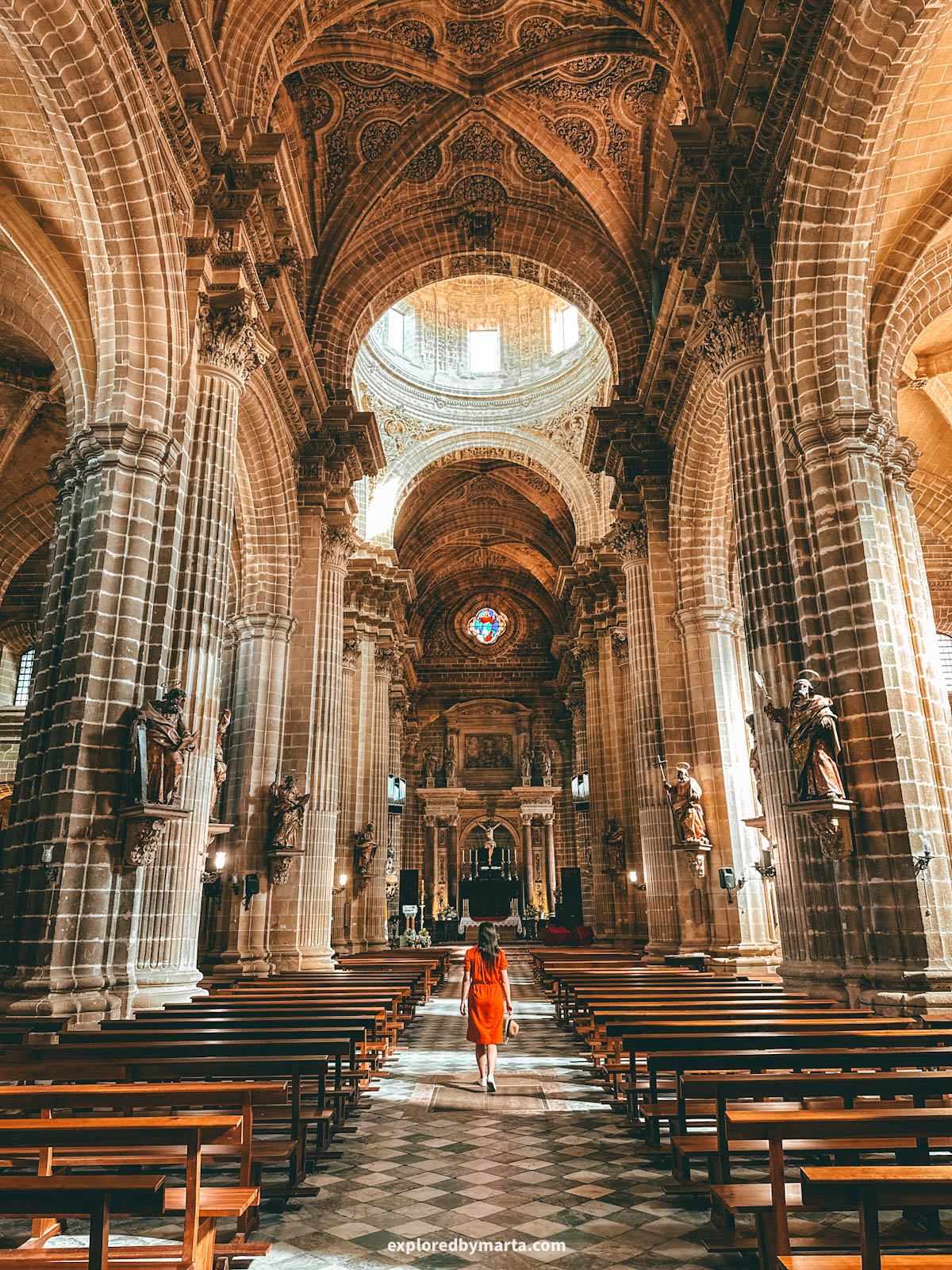
If you have time, I’d go inside the cathedral too. The interior has tall columns, altars, sculptures, glass mosaics, and rooms like the Treasury. It was pretty interesting, and I liked the cooler temperatures inside compared to the heat outside.
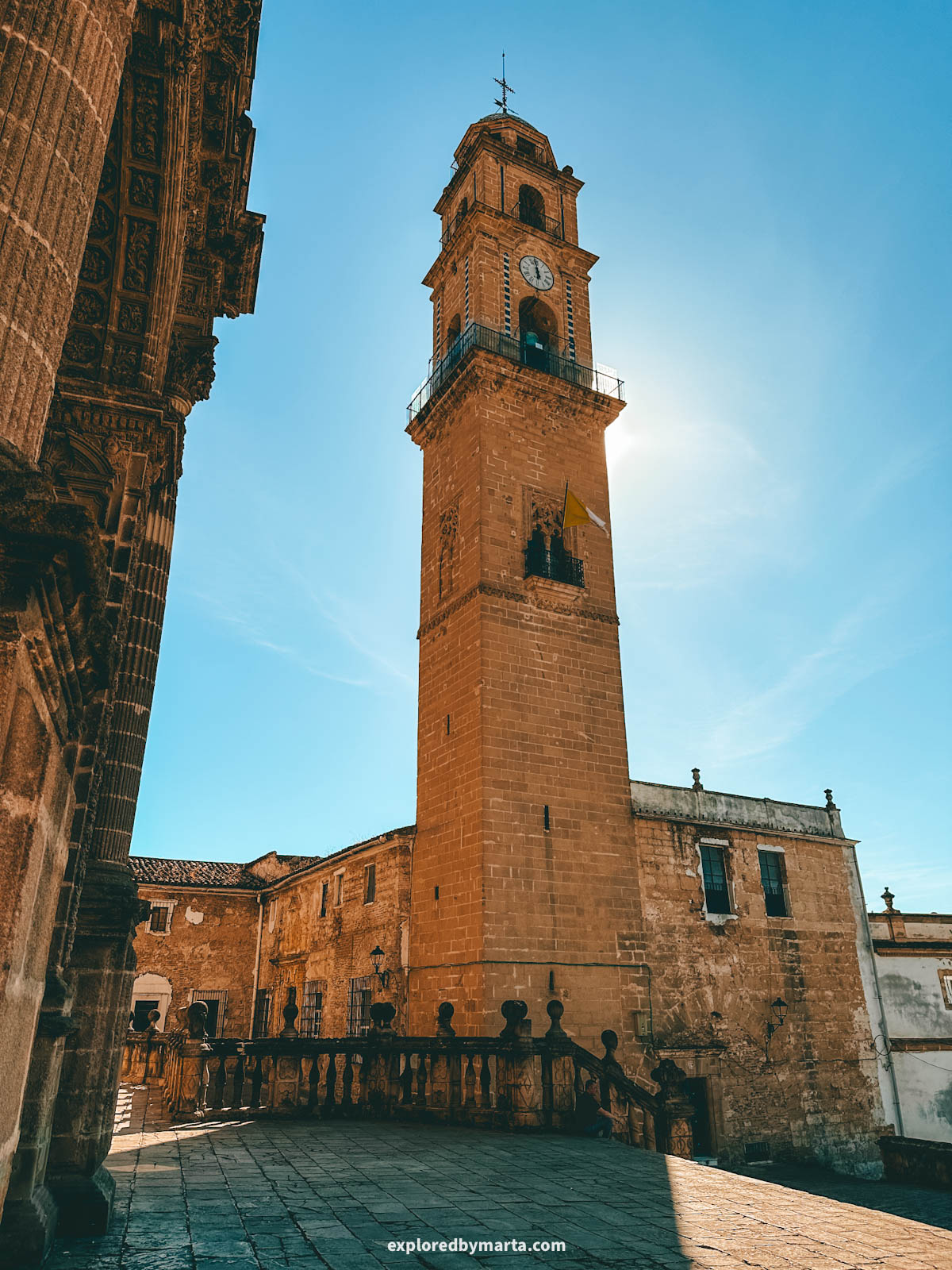
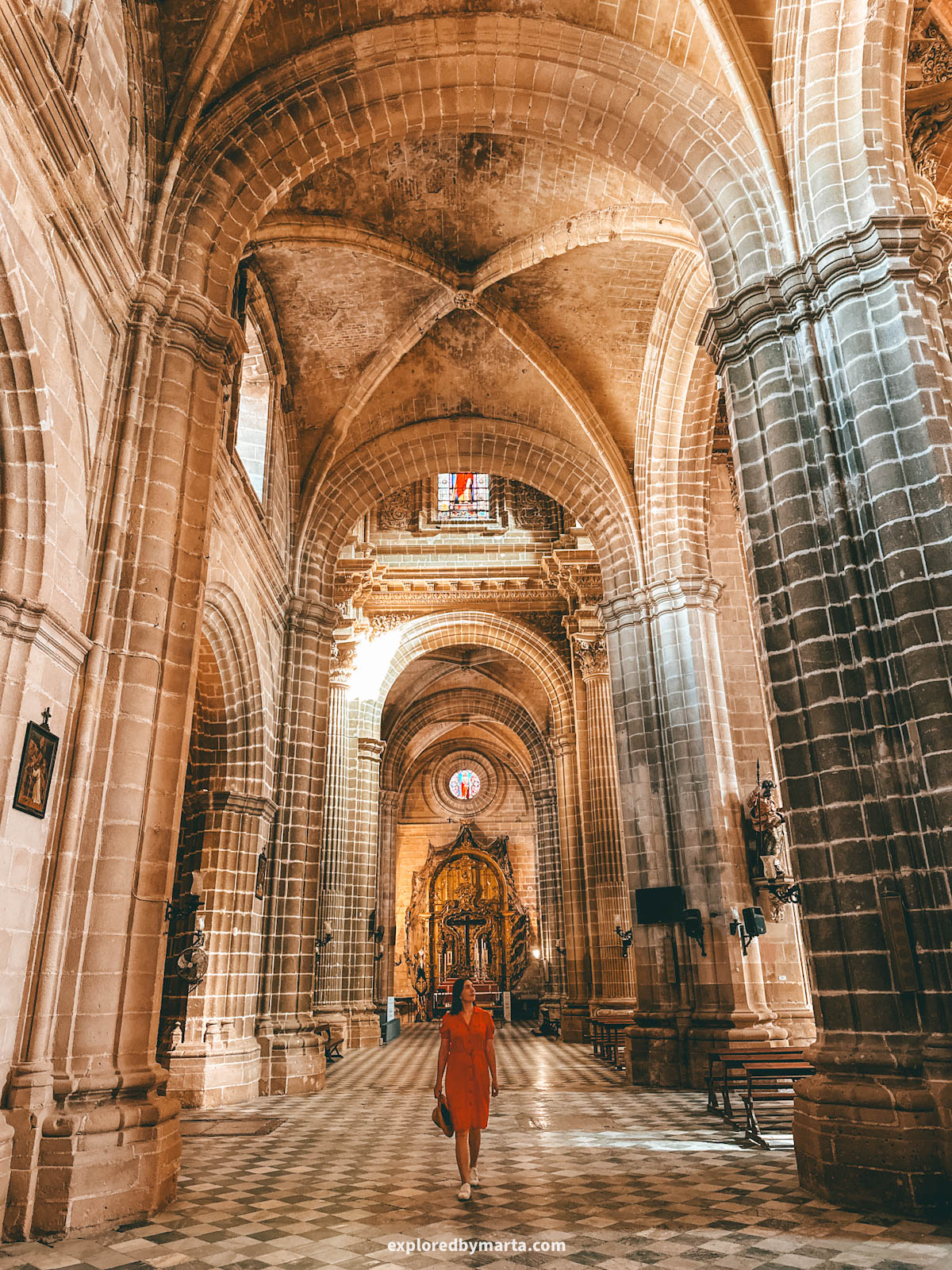
After seeing the inside, you can climb the bell tower for views over Jerez de la Frontera. It is an easy little viewpoint to add to your day, and you don’t need to turn it into some big hiking mission.
For me, the Cathedral of Jerez was not just a quick photo stop. Between walking around the outside, seeing the interior, and climbing the tower, it ended up being one of the places I enjoyed most in Jerez.
Tip! Check the official cathedral website before visiting – opening hours and ticket prices can change.
Location: Cathedral of Jerez de la Frontera
5. See the Andalusian Horses Dance show
Jerez de la Frontera is famous for three things: sherry, flamenco, and horses. So if you want one of the most classic Jerez experiences, watching the Andalusian horse show is a good one to add to your list.
The show is called How the Andalusian Horses Dance, and it takes place at the Royal Andalusian School of Equestrian Art, just outside the historic center.
And yes, it is exactly what it sounds like – Andalusian horses performing choreographed movements to Spanish music. Very Jerez. Very dramatic. Very much not something you see every day. 😄
The show includes different riding styles and routines, and the horses perform movements that almost look like ballet. You can also see the riders dressed in traditional 18th-century-style costumes, which adds to the whole experience.
I’d say this is one of the most unique things to do in Jerez de la Frontera because it is so closely tied to the city’s culture. Even if you are not usually a horse person, it is still interesting to see how much skill and control goes into the performance.
The Royal Andalusian School of Equestrian Art also has other things you can visit, depending on the ticket you choose. Some tickets include access to the palace, saddlery, carriage museum, or equestrian museum, so check what is included before booking.
Tip! Check the show schedule before planning your day, because performances are not available all day, every day. I would plan this first and then build the rest of your Jerez itinerary.
Location: Royal Andalusian School of Equestrian Art
6. Wander around the old town and its prettiest corners
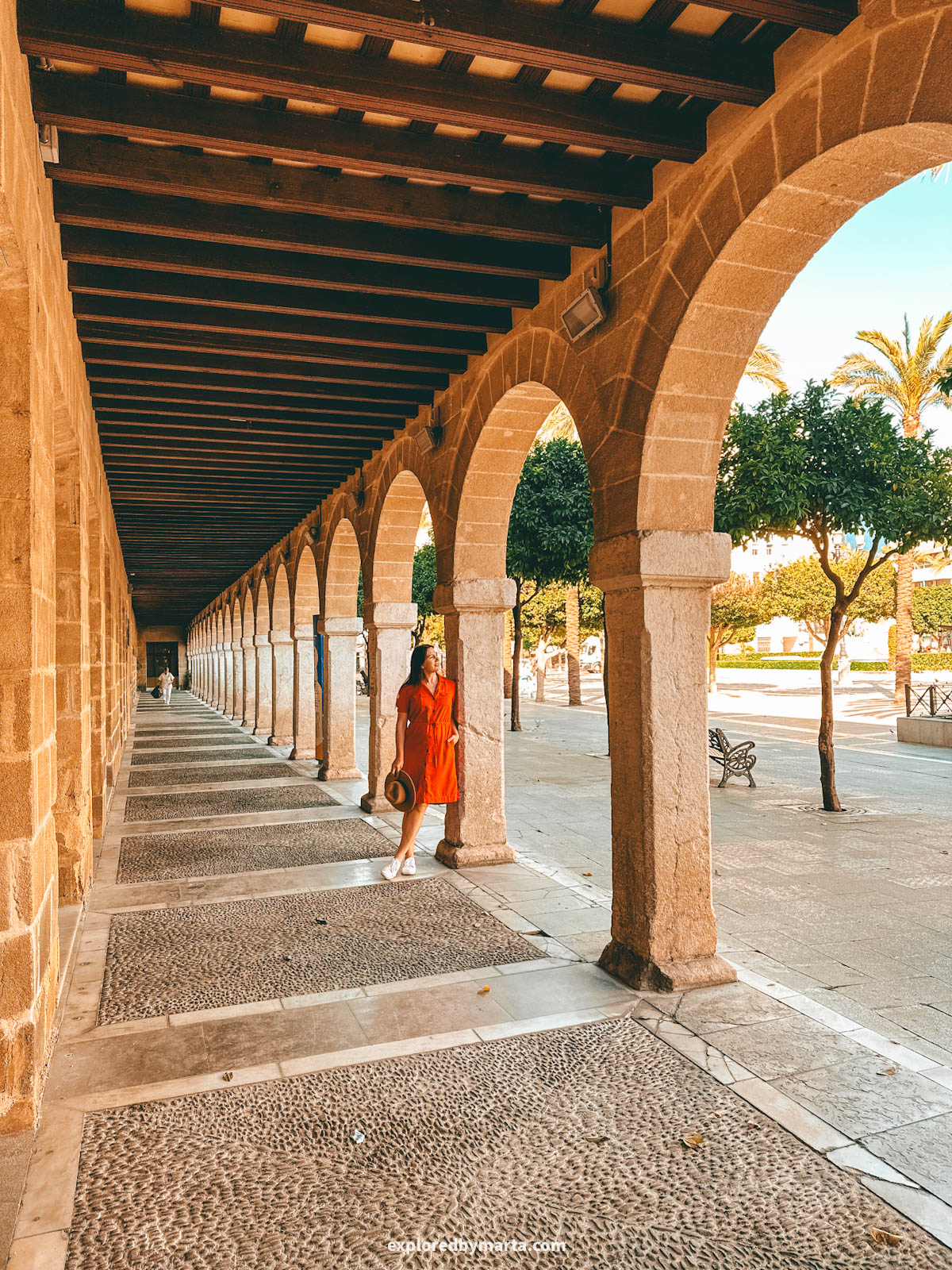
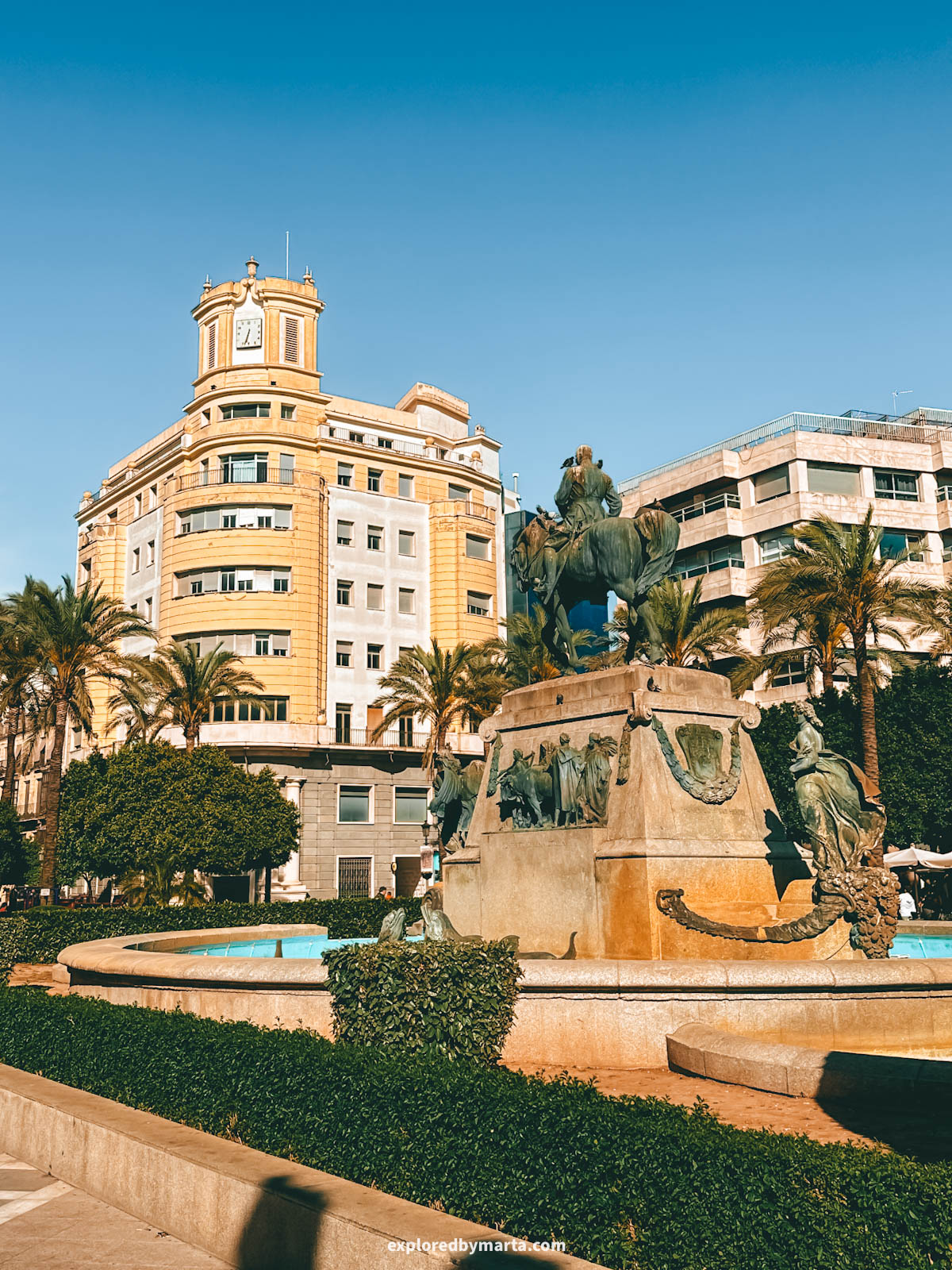
The old town of Jerez de la Frontera is not huge, so you can easily explore a lot of it on foot without needing some intense walking route.
We spent part of our visit just wandering around the historic center, and this is where Jerez really started to grow on me. It has beautiful squares, narrow streets, old churches, tiled details, and random little corners that feel very local.
A good place to start is Plaza del Arenal, the main square in Jerez de la Frontera. You’ll find restaurants, shops, and cafes around it, so you will probably pass through this square more than once.
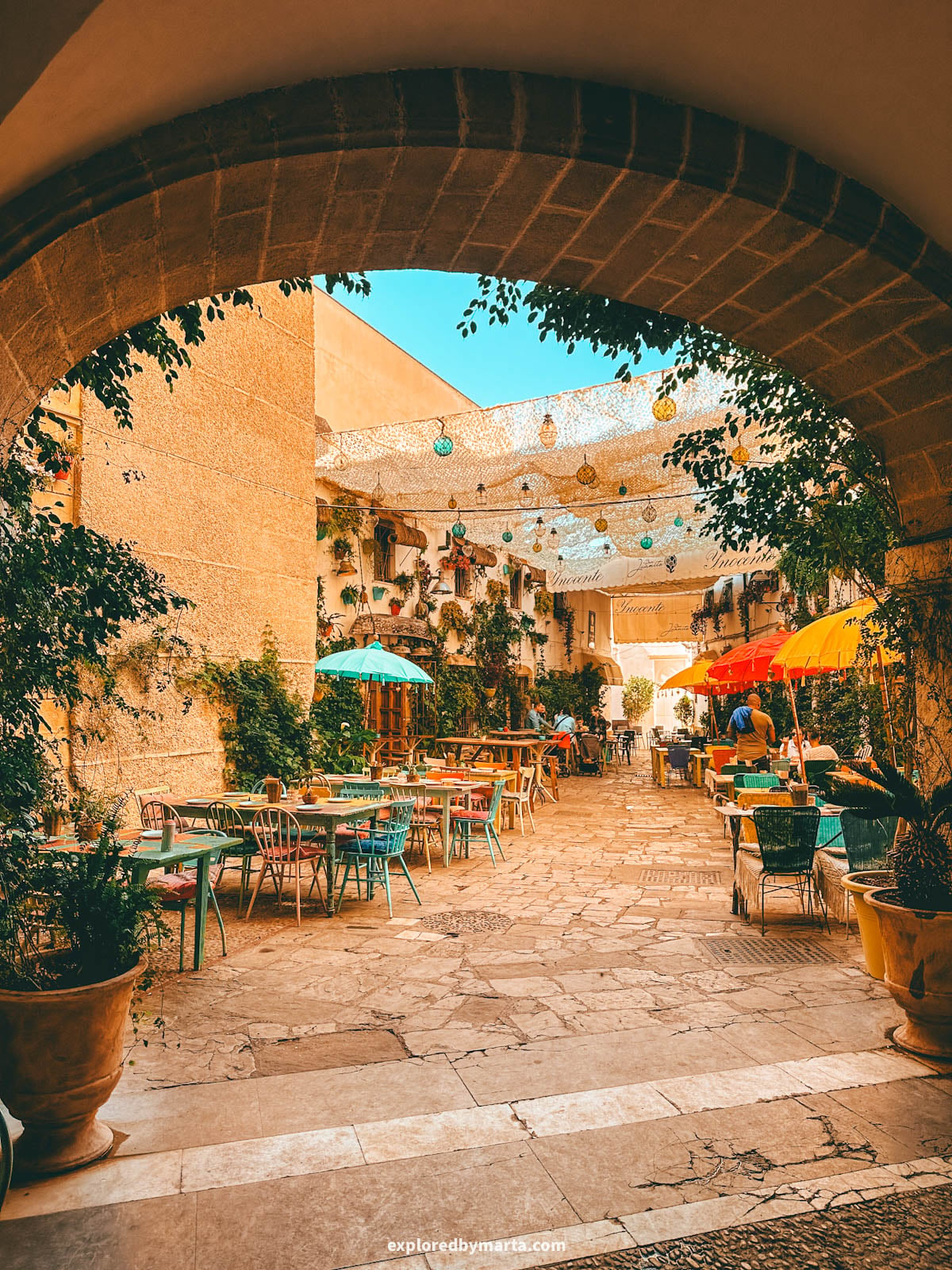
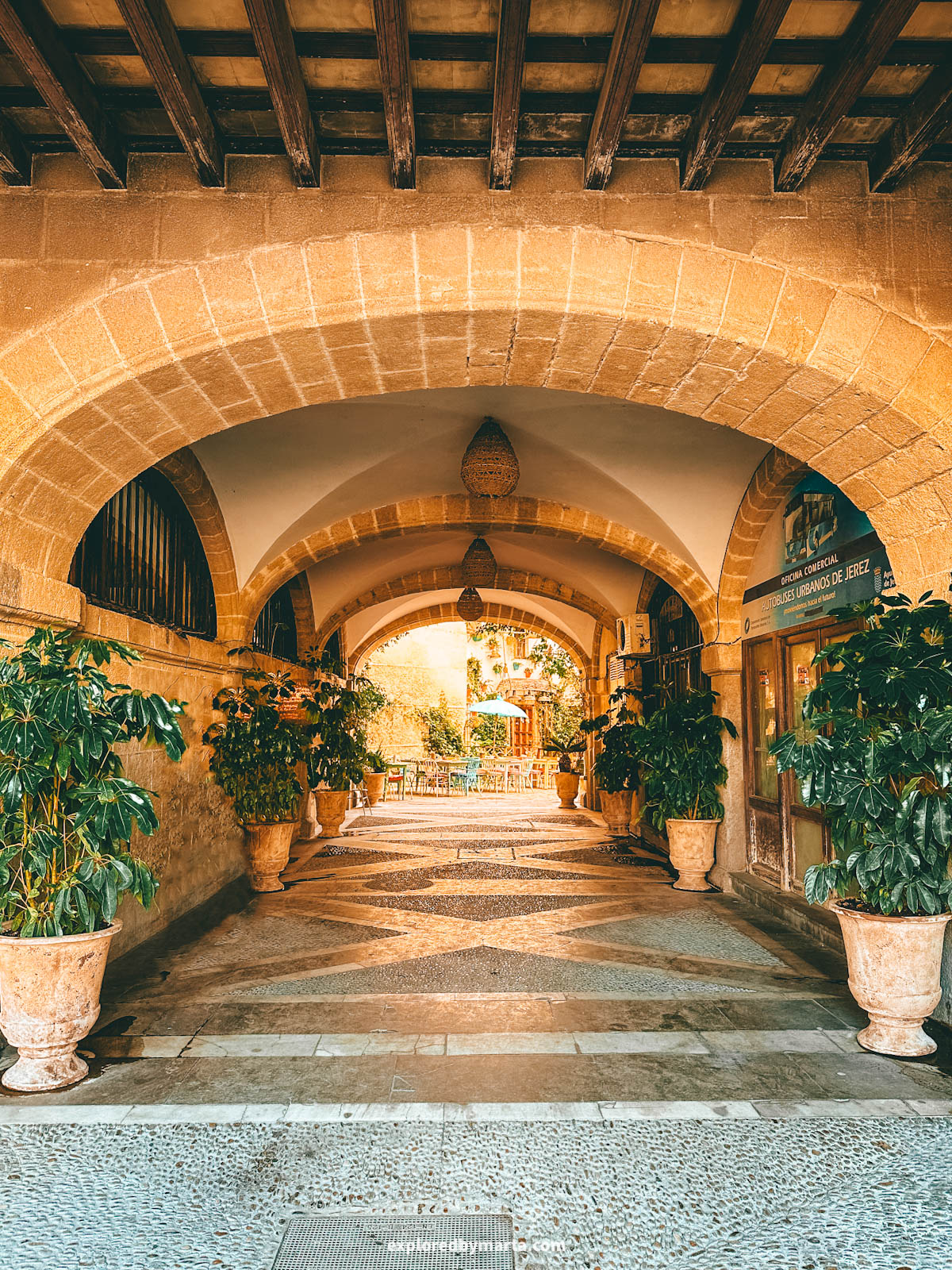
One of my favorite little finds near Plaza del Arenal was the tunnel leading to Calle Pescadería Vieja, the old fish market area. There is no market there anymore, but the small square now has tapas bars and restaurants.
It felt like a nice, hidden corner right next to the busy main square. Plants, parasols, colorful furniture, string lights – very cute, very lunch-friendly.
Another beautiful stop is Plaza de la Asunción, one of the prettiest squares we found in Jerez. It sits in front of the 15th-century Church of San Dionisio and has a monument to the Virgin of the Assumption in the middle.
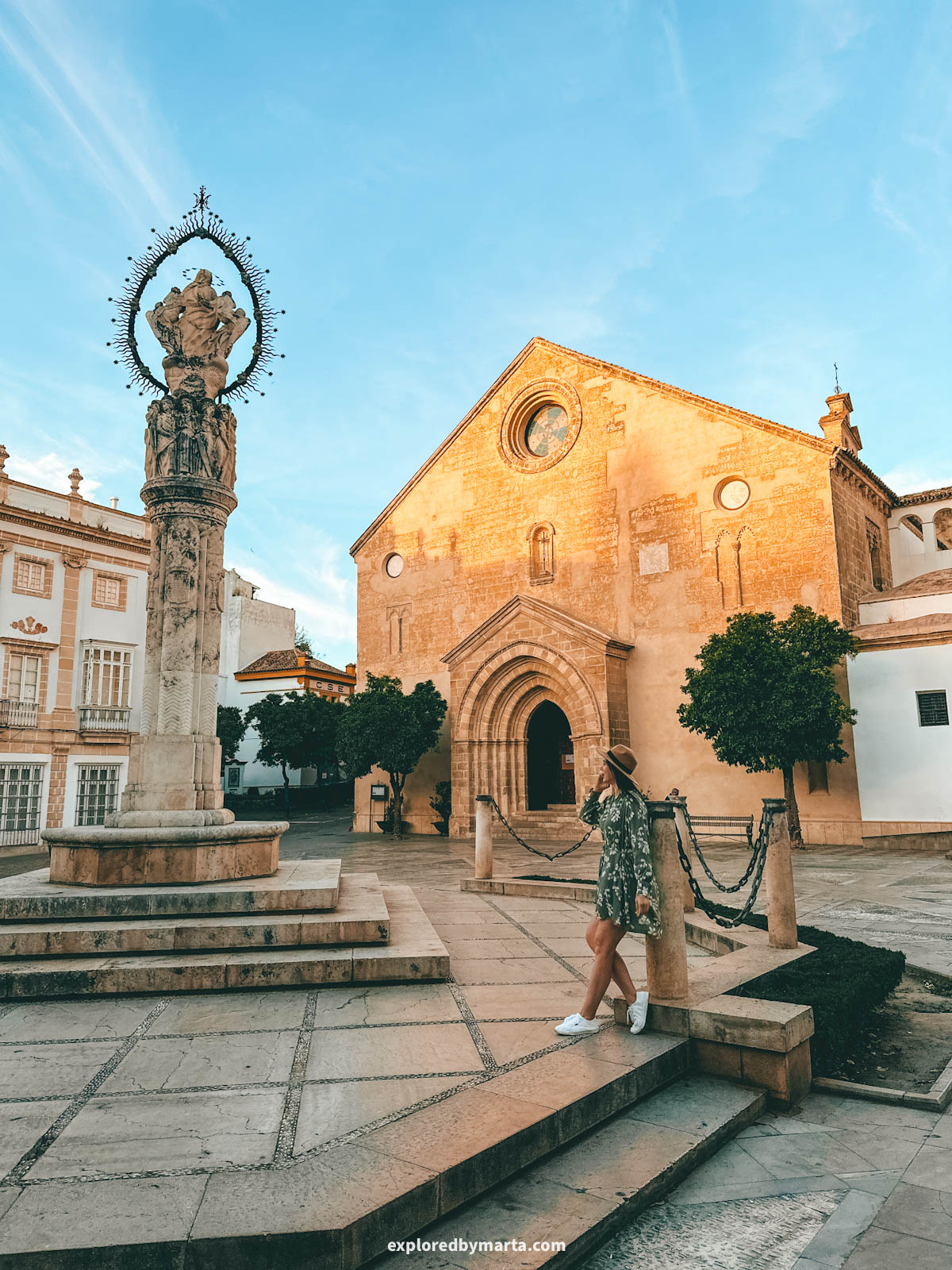
We visited Plaza de la Asunción in the morning, and it was super peaceful. I don’t know how busy it gets later in the day, but in the morning it felt like such a calm little spot.
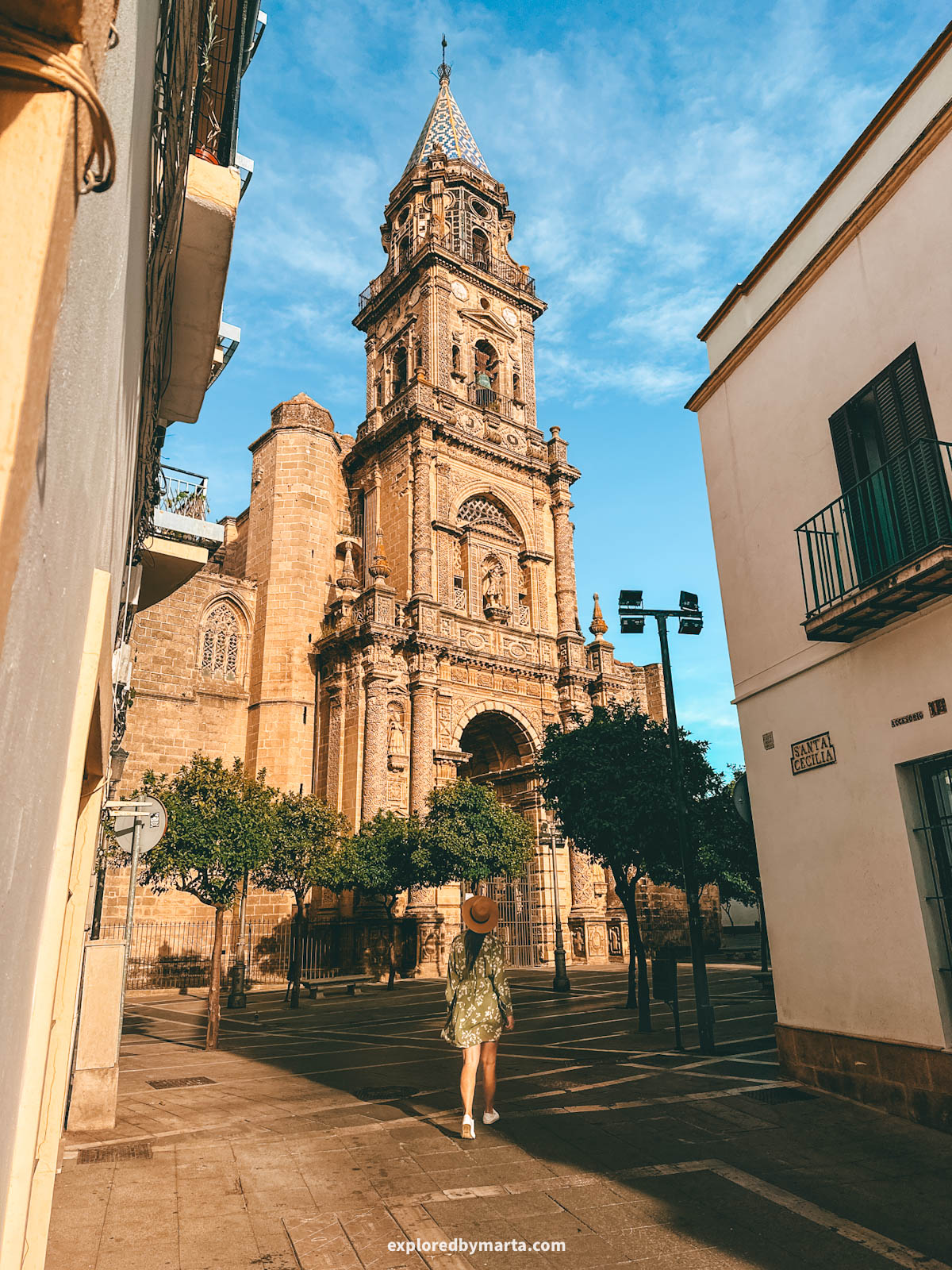
I would also walk past Iglesia de San Miguel, because the outside is honestly impressive. The church was closed when we visited, so we couldn’t go inside, but the Gothic facade alone was worth the detour.
We took some cute photos from the side streets around Iglesia de San Miguel, especially from Calle Santa Cecilia and Calle San Miguel.
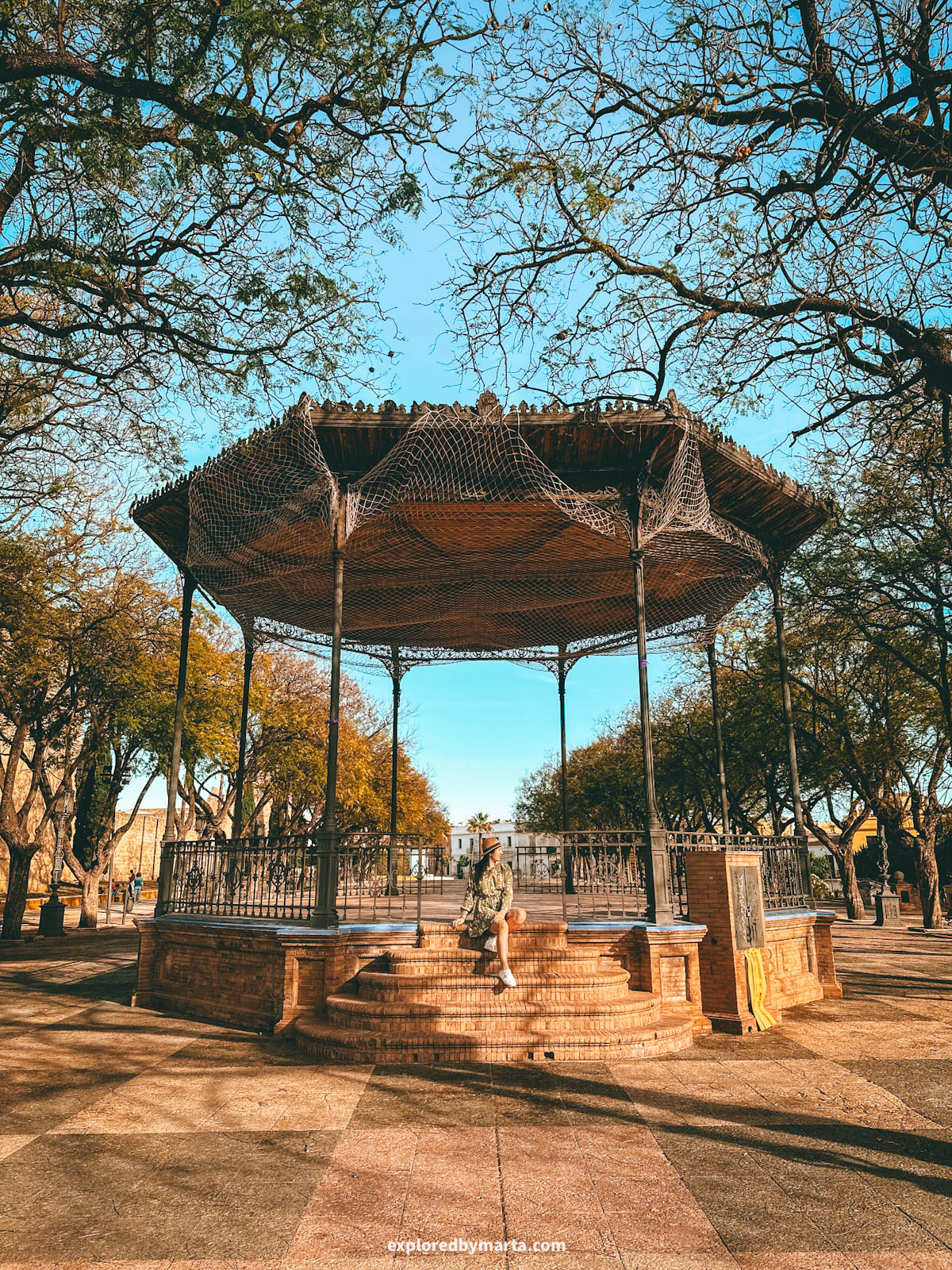
If you want a quieter break, walk over to Alameda Vieja, a historic park near the Alcázar, Bodega Tio Pepe, and the Cathedral of Jerez. There are benches, trees, and a wide walkway where you can slow down for a bit.
We visited in spring, so the trees were not fully blooming yet. But closer to summer, this area can look much more colorful with purple and pink flowers.
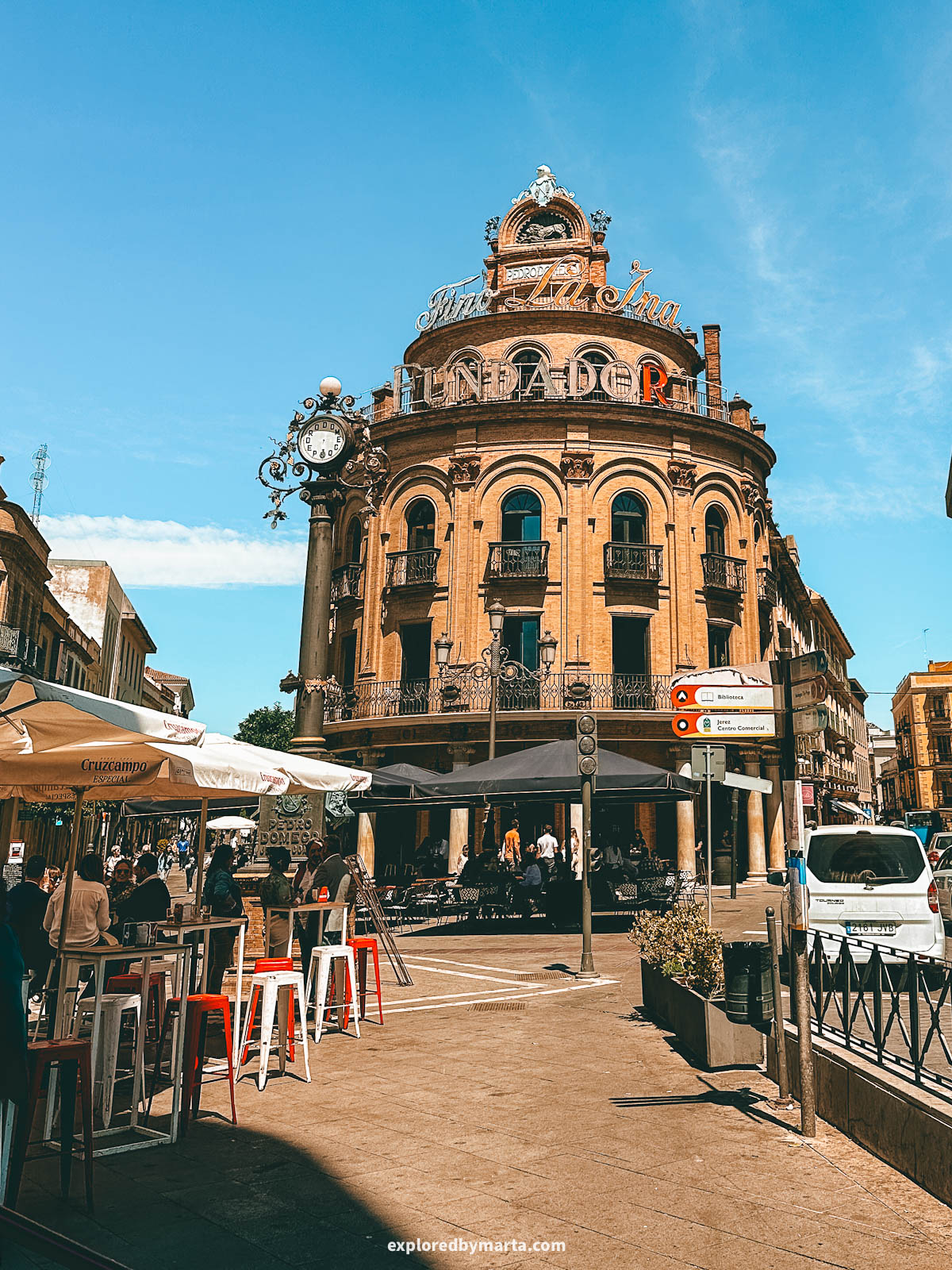
I also recommend strolling along Calle Larga, one of the main shopping streets in the old town, where you will find the Gallo Azul building, an architectural symbol of Jerez. This eye-catching round building was built in the late 1920s.
For me, wandering around the old town was one of my favorite things to do in Jerez de la Frontera. You don’t need much planning – just leave some time between the main sights and follow a few pretty streets.
Location: Plaza del Arenal – Old Fish Market – Plaza de la Asunción – Iglesia de San Miguel – Alameda Vieja
7. Experience a flamenco show
Jerez de la Frontera is often called one of the birthplaces of flamenco, especially because of its connection to bulería, one of the most important flamenco styles.
So if you are going to see a flamenco show in Andalusia, Jerez is definitely a good place to do it.
Flamenco is not just a tourist performance in this city. Jerez has a deep connection to flamenco, especially in neighborhoods like Santiago and San Miguel, where this art form is part of the local culture.
If you have time, I’d add a flamenco show to your Jerez itinerary, especially in the evening after sightseeing. After bodegas, churches, towers, and all that walking, sitting down for a show sounds pretty good, right?
If you visit during the Festival de Jerez, flamenco becomes an even bigger part of the city. The festival usually takes place in late winter or early spring and brings performances, workshops, and flamenco events all over Jerez.
For me, flamenco is one of those experiences that helps you see a different side of Jerez de la Frontera. You can skip it if you only have a few hours in the city, but if you are staying overnight, I’d definitely consider it.
8. Peek inside Claustros de Santo Domingo
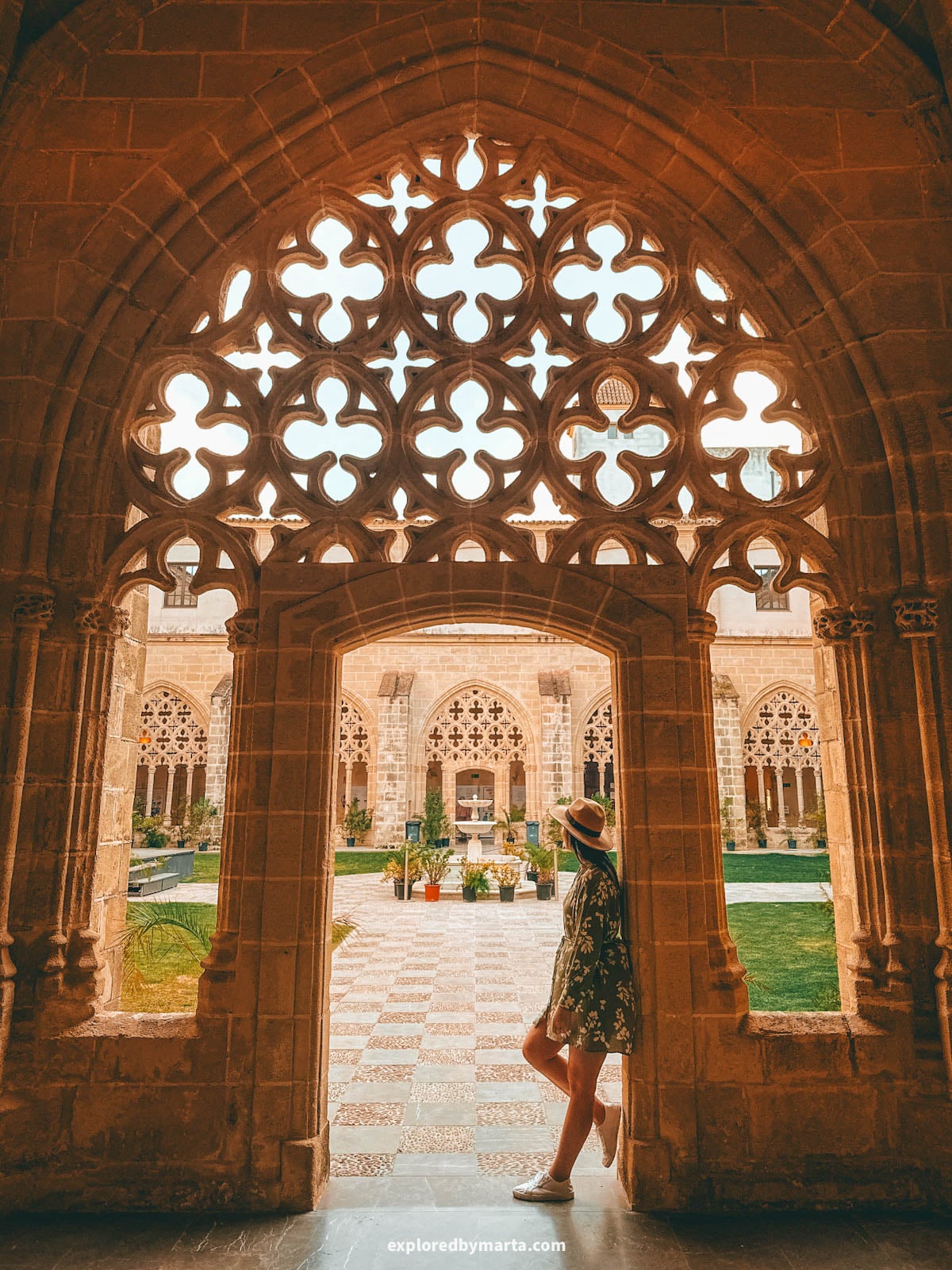
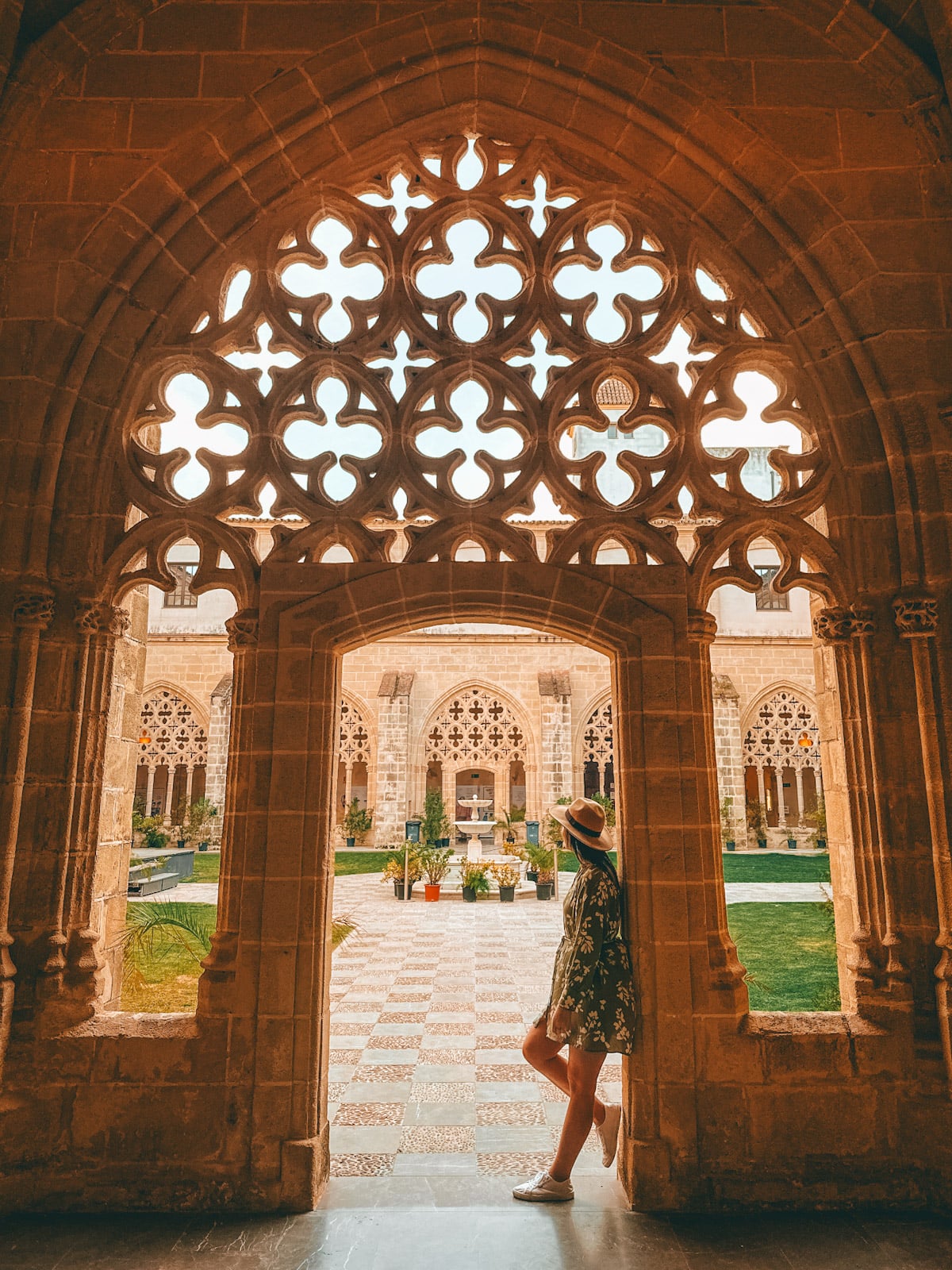
One of my favorite hidden corners in Jerez de la Frontera was Claustros de Santo Domingo.
This 13th-century cloister sits a little away from the busiest part of the old town, so it feels much calmer than places like the cathedral, Alcázar, or Plaza del Arenal.
The building has a mix of Gothic and Mudéjar architecture, with stone arches, quiet halls, and a small inner courtyard. It is not a huge place, but it has that old, peaceful atmosphere that I always love finding in historic towns.
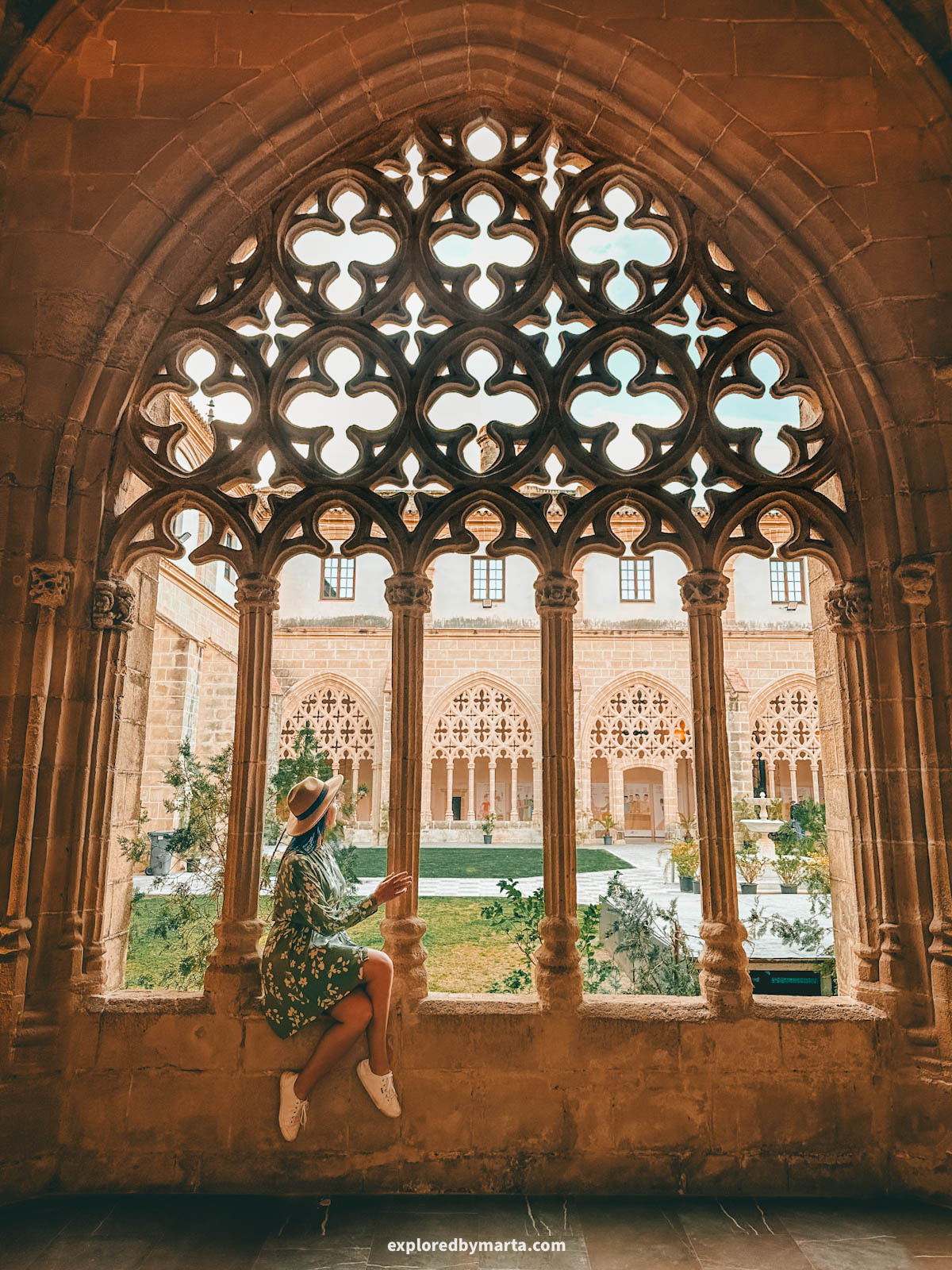
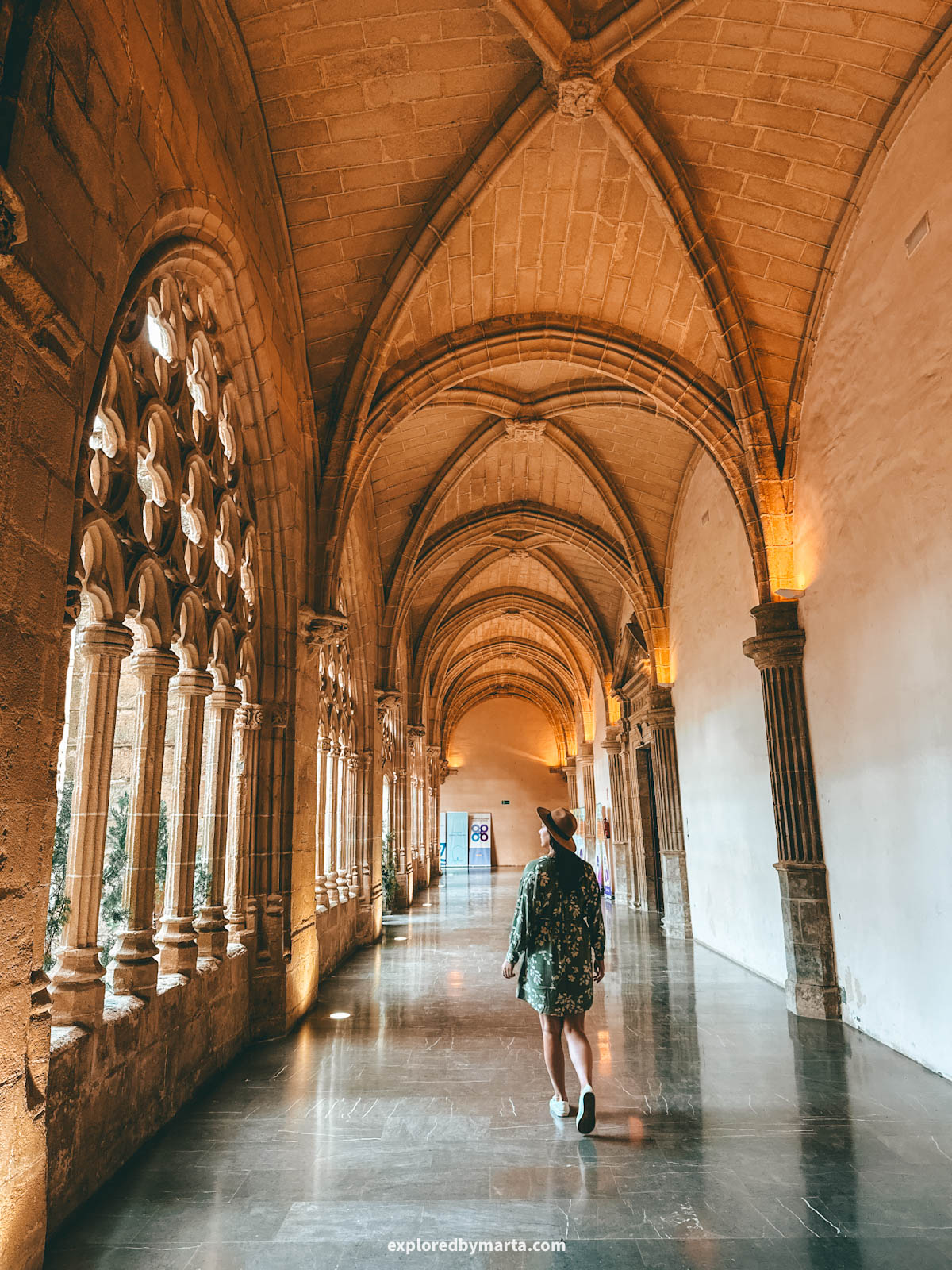
When we visited, there were only a few people inside. I don’t know if we just got lucky, but it felt like one of those places many visitors simply walk past without realizing what is behind the doors.
Claustros de Santo Domingo is used for exhibitions and events, but you can usually walk in and see the building and courtyard for free. At least when we visited, there was no entrance fee.
You don’t need a lot of time here. I’d say 10 to 15 minutes is enough if you just want to walk around, take a few photos, and enjoy the architecture.
But for me, this was one of the nicest quiet stops in Jerez de la Frontera. Not every place needs to be a huge attraction, and this one was worth the short detour. I looove this old cloister architecture!
Location: Claustros de Santo Domingo
9. Try tapas, tabancos, and visit the central market
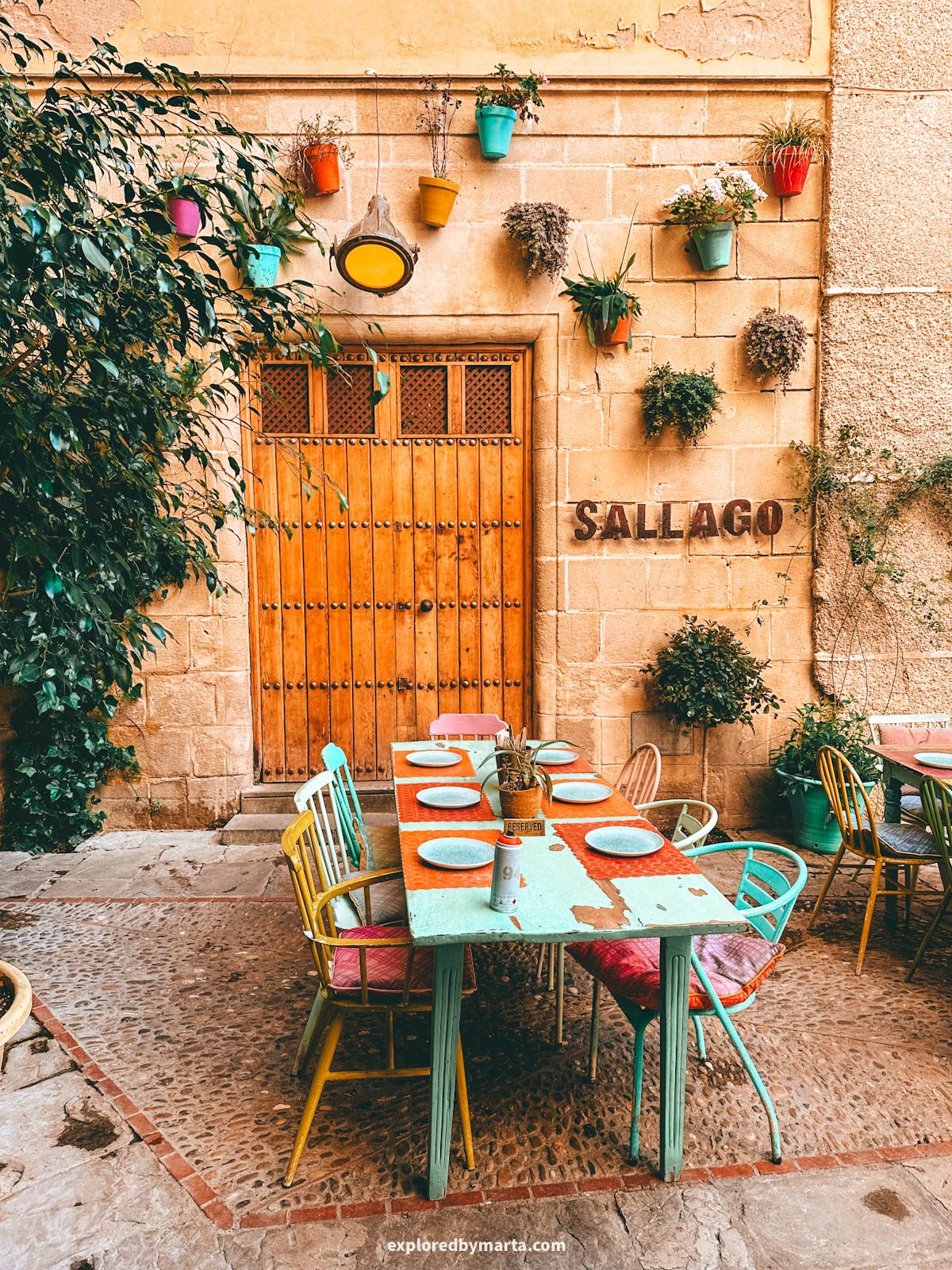
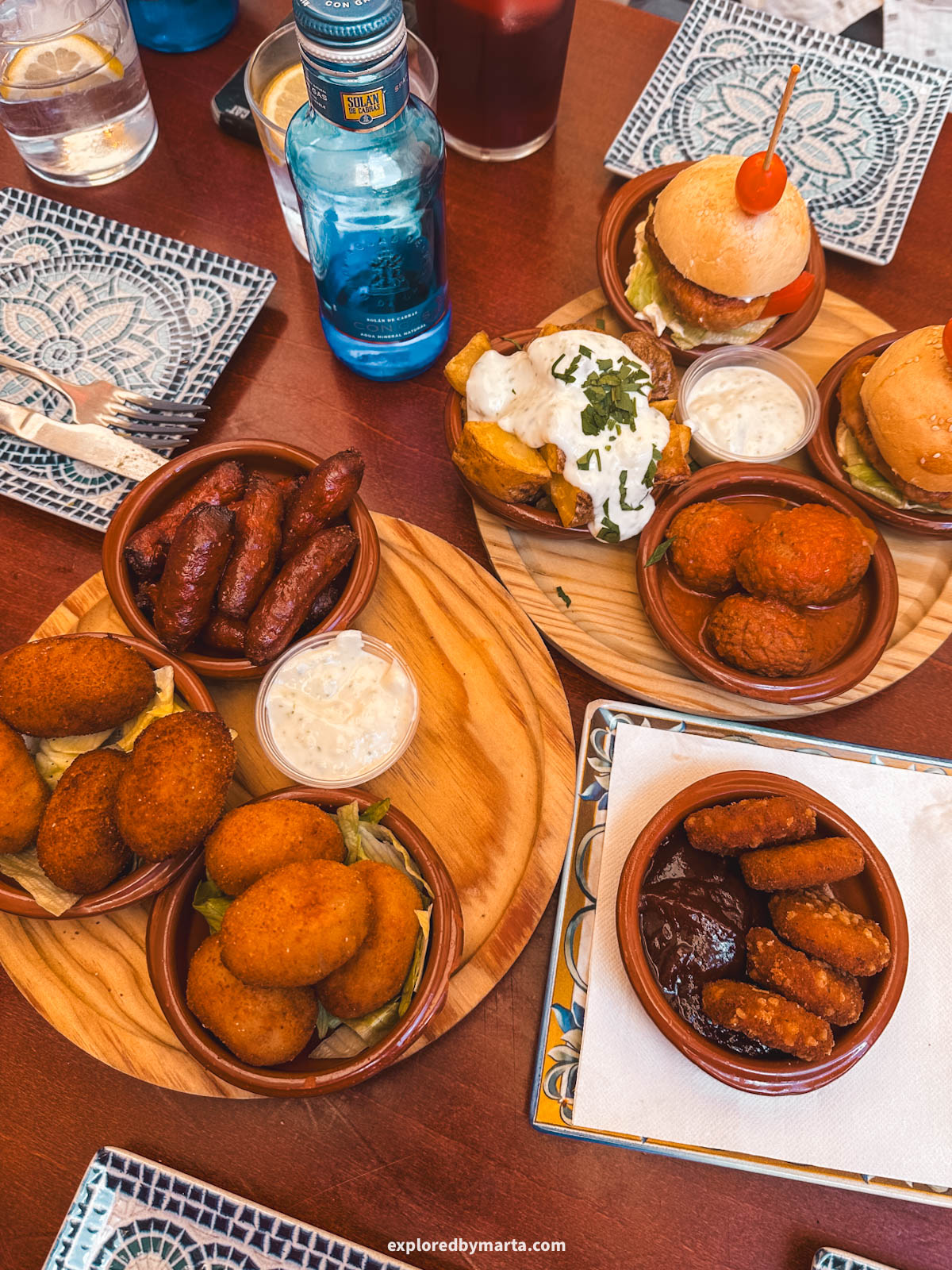
One of the easiest ways to enjoy Jerez de la Frontera is through food. After all the bodegas, churches, and old streets, sitting down for tapas feels like a very good life choice.
A good place to start is Mercado Central de Abastos, the main food market in Jerez de la Frontera. I always like checking out local markets when we travel, and this one is an easy stop if you are already walking around the old town.
You’ll find fish, seafood, meat, cheese, fruit, vegetables, and local products. There are some tapas bars and cafés, too. It is not a huge tourist attraction, but that is kind of the point. It gives you a quick look at daily life in Jerez.
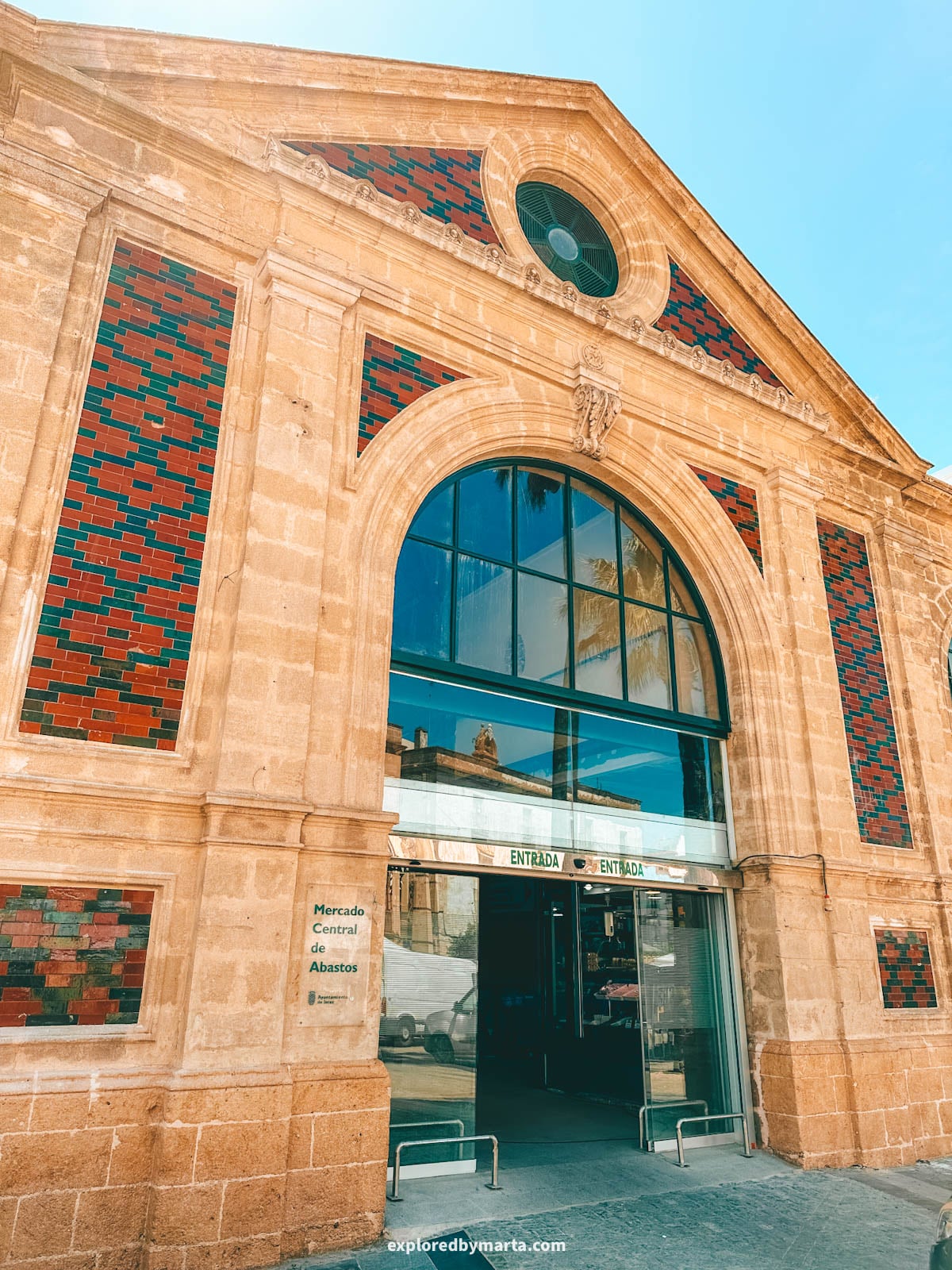

Jerez is also known for tabancos, traditional sherry bars where people drink local sherry, eat simple tapas, and sometimes even catch a bit of flamenco. Basically, very Jerez in one small space.
If you want to try one, here are some of the best tapas bars and tabancos in the old town of Jerez de la Frontera:
- Las Banderillas – a classic tapas and tabanco-style spot on Calle Caballeros
- Tabanco Plateros – a central tabanco near Plaza Plateros, good for sherry and tapas
- Tabanco El Pasaje – a historic tabanco from 1925, known for sherry, tapas, and flamenco
- Tabanco El Anticuario – a tabanco on Calle Tornería, a little more polished
- Tabanco San Pablo – a traditional tabanco on Calle San Pablo, close to other old town tapas spots
Another nice food area is around Calle Pescadería Vieja, near Plaza del Arenal. This is the old fish market area, and today you’ll find small bars and restaurants there. It is a good place to sit down for lunch without going too far from the old town.
If you want a more local experience, look for a tabanco instead of only choosing regular restaurants around the main squares. And if you want to visit the market, go earlier in the day because food markets are usually livelier in the morning.
Location: Mercado Central de Abastos – Calle Pescadería Vieja
10. Admire the unique Estación de Jerez de la Frontera
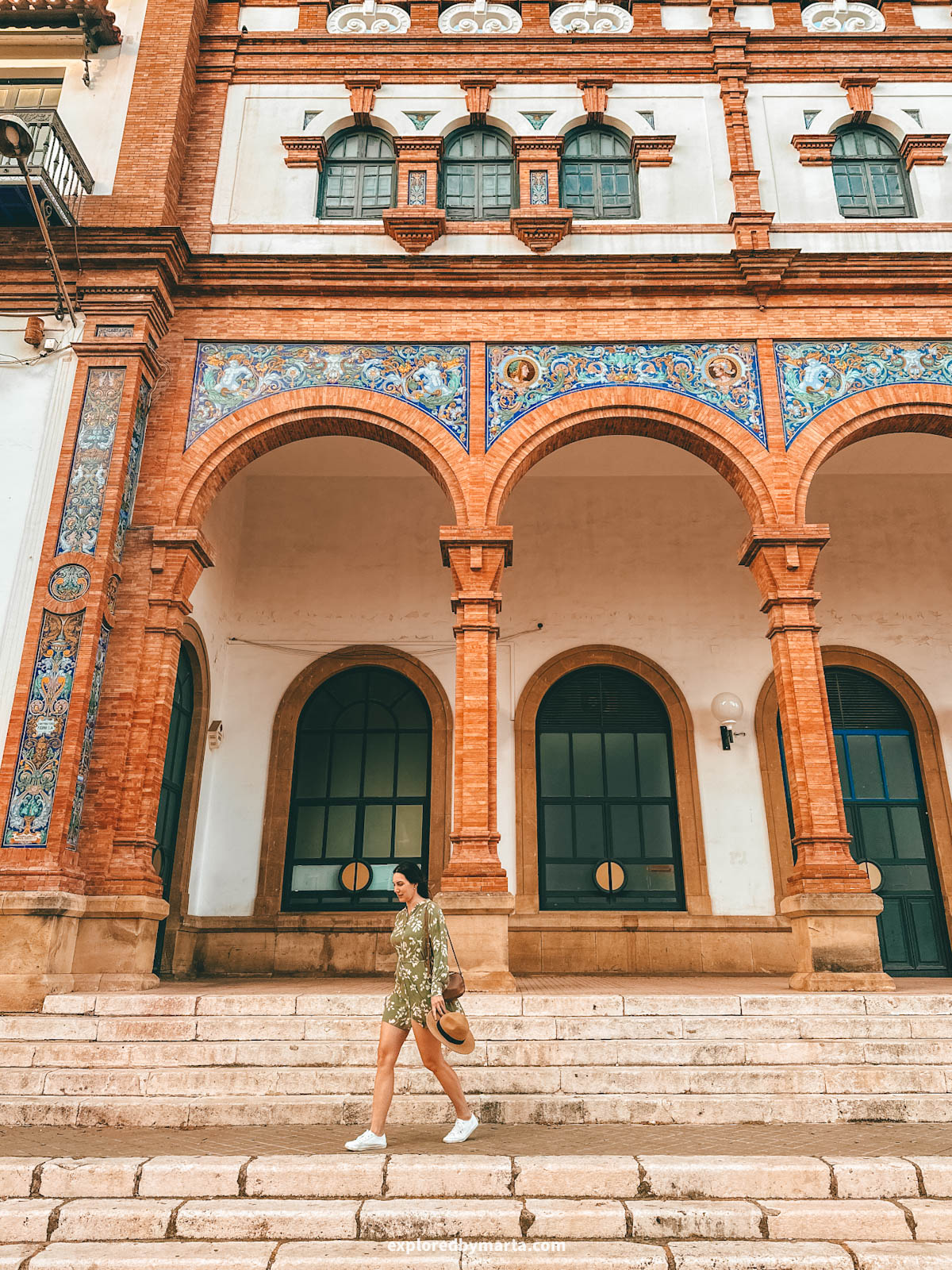
Estación de Jerez de la Frontera is not the kind of place you need to plan your whole day around, but if you arrive by train or walk near this area, it is worth a visit.
The railway station is one of the most beautiful buildings we saw in Jerez de la Frontera. The facade has brick, stone, colorful tiles, iron details, arches, and columns – basically a lot more personality than your average train station.
Did you know that the first railway line in Andalusia was inaugurated here in 1854? It connected Jerez de la Frontera with El Puerto de Santa María, mainly to transport wine barrels from Jerez to the coast and then on to the United Kingdom.
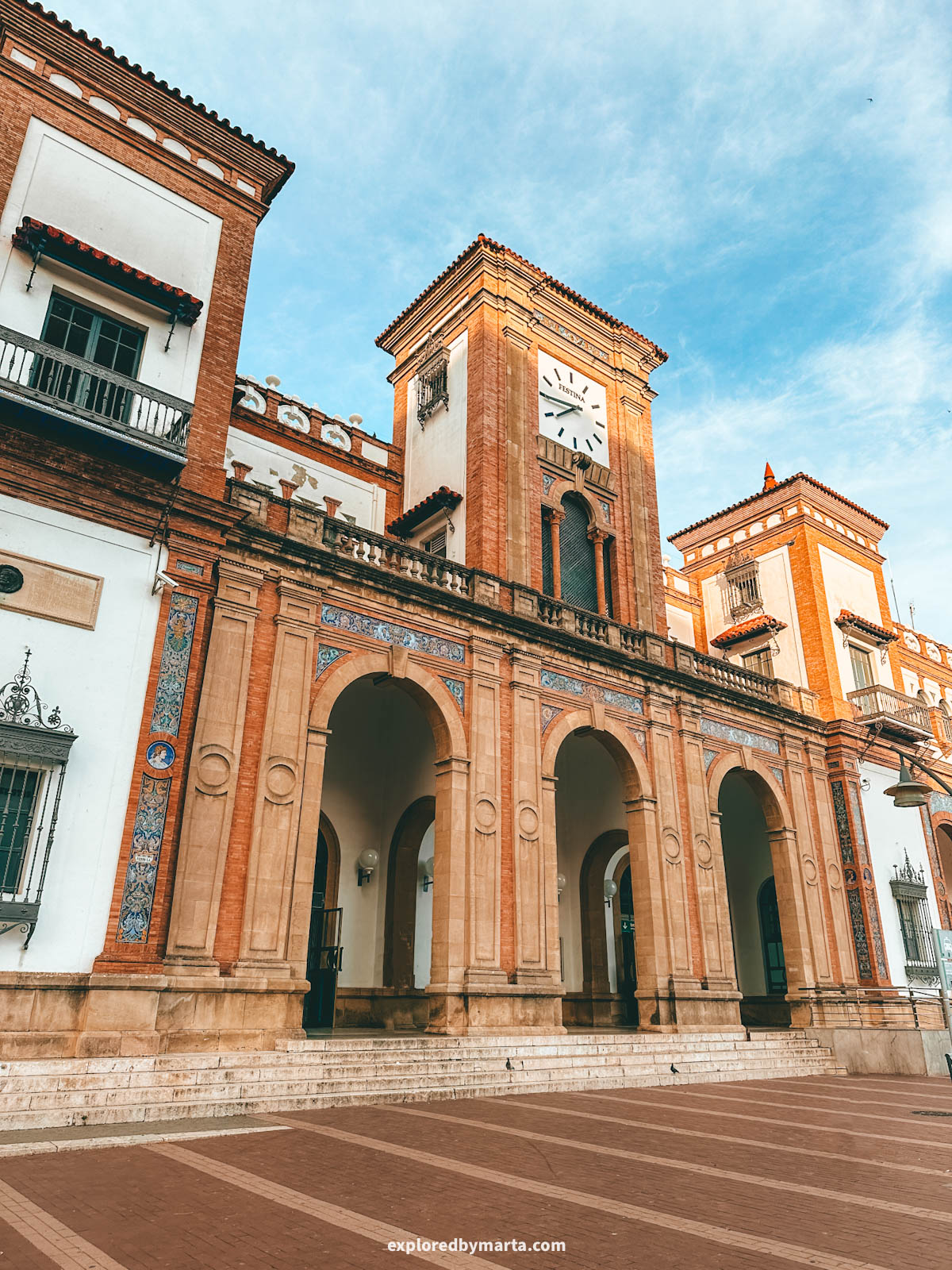
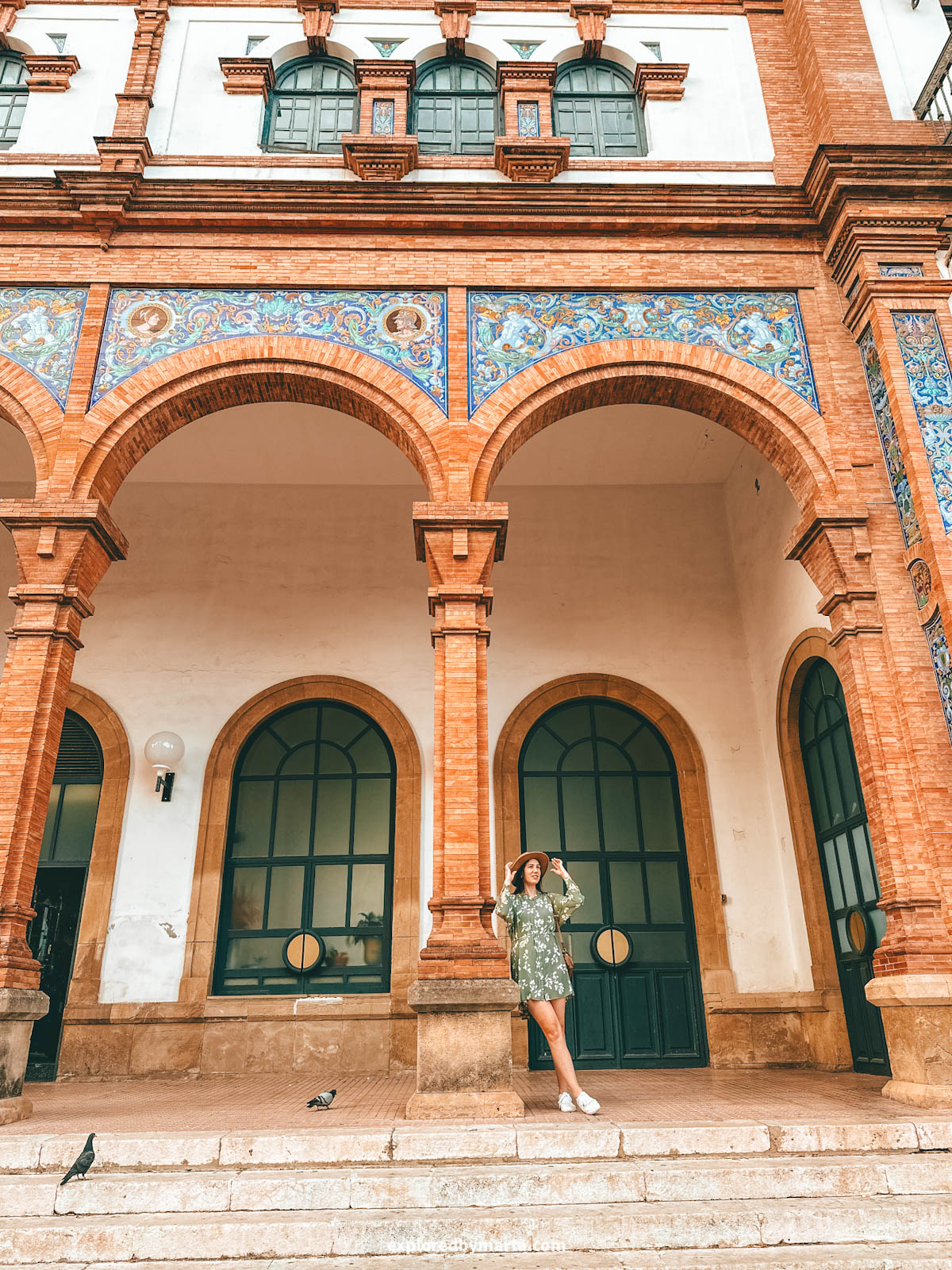
The current station building was built later, in 1930, and was designed by Aníbal González. He is also one of the architects behind the famous Plaza de España in Seville, so suddenly the pretty tiles make a lot of sense.
We spent a bit of time looking at all the details on the outside, but don’t skip the inside either. The tile work and architecture are worth seeing, especially if you like historic buildings.
For me, this is more of a bonus stop than one of the big headline things to do in Jerez de la Frontera. But if you are arriving by train, leaving by train, or staying nearby, definitely look up from your suitcase for a minute. This station deserves it.
Location: Estación de Jerez de la Frontera
FAQs about visiting Jerez de la Frontera
Is Jerez de la Frontera worth visiting?
Yes, I think Jerez de la Frontera is worth visiting, especially if you want to see a more local side of Andalusia. The city has sherry bodegas, flamenco, Andalusian horses, an old Alcázar, a beautiful cathedral, and a very walkable historic center.
What is Jerez de la Frontera known for?
Jerez de la Frontera is best known for sherry wine, flamenco, and Andalusian horses. It is often called the birthplace of sherry and one of the birthplaces of flamenco, especially because of its connection to bulería.
How many days do you need in Jerez de la Frontera?
I’d say one full day in Jerez de la Frontera is enough to see the main highlights. You can tour a sherry bodega, visit the Alcázar, climb the cathedral bell tower, walk around the old town, and try tapas. If you also want to see the Andalusian Horses Dance show and go to a flamenco show in the evening, staying overnight would be much more relaxed.
Can you visit Jerez de la Frontera as a day trip?
Yes, Jerez de la Frontera works well as a day trip from Cádiz, Seville, or nearby towns in Andalusia. The historic center is compact, and many of the main sights are within walking distance. Just keep in mind that bodega tours, horse shows, and flamenco shows run at specific times, so it is worth planning those first.
Is Jerez de la Frontera walkable?
Yes, the historic center of Jerez de la Frontera is very walkable. You can easily walk between the Cathedral, Alcázar, Plaza del Arenal, Plaza de la Asunción, Calle Ciegos, tabancos, and many old town streets. The Royal Andalusian School of Equestrian Art is a little farther from the old town, but still manageable depending on where you start.
What is the best thing to do in Jerez de la Frontera?
For me, the most Jerez-specific thing to do is tour a sherry bodega. Even if you are not a big sherry fan, visiting the dark cellars, seeing the old barrels, and learning about the city’s sherry culture feels very connected to Jerez.
Is Jerez de la Frontera good for a day trip from Seville?
Yes, Jerez de la Frontera can be a good day trip from Seville, especially if you want something less crowded than the bigger Andalusian cities. You can reach Jerez by train, and the city center is easy to explore on foot. I’d just start early if you want to include a bodega tour or the horse show, because those depend on schedules.
What is the difference between Jerez de la Frontera and Cádiz?
Jerez de la Frontera feels more inland, traditional, and tied to sherry, flamenco, and horses. Cádiz feels more coastal, bright, and beachy, with ocean views, seaside walks, and a very different atmosphere. They are close enough that you can visit both on the same Andalusia trip, but they don’t feel the same at all.
Read more about traveling in Southern Spain
Jerez de la Frontera was one of those Andalusian cities that surprised me in the best way. It is not as famous as Seville, Córdoba, or Granada, but that is exactly why I enjoyed it.
Jerez feels more local and relaxed, while still having so much personality – sherry bodegas, flamenco, Andalusian horses, old streets, and those pretty corners you keep finding when you’re just walking around.
If you like historic towns, traditional food, beautiful buildings, and places that don’t feel too polished for tourists, I think Jerez de la Frontera is absolutely worth adding to your Andalusia itinerary.
And if you are planning a bigger trip around southern Spain, you might also like these Andalusia travel guides:
More Andalusia travel inspiration:
- 21 most beautiful white villages in Andalusia
- 27 hidden gems you should see in Andalusia
- 17 most beautiful castles in Andalusia, Spain
- 20 best things to do in Malaga, Spain (+locations & tips!)
- Córdoba bucket list: 18 best things to do in Córdoba, Spain
- 15 best things to do in Granada, Spain for your first trip
Travel guides to nearby towns:
- Ronda bucket list: 15 best things to do in Ronda, Spain
- 12 best things to do in Cádiz, Western Europe’s oldest city
- 10 things to do in Tarifa, Spain’s southernmost town
- Fairytale Frigiliana: 13 things to do in Frigiliana, Spain
- 10 things to do in Iznájar, Spain (flower village)
- 10 best things to do in Setenil de las Bodegas, Spain
PIN FOR LATER!